 Cap-travel.ru
 English
  Русский
 Visiting the Taliban. Part 4
The Blue Mosque
I can say that I am impressed by the architecture of modern Afghanistan, but only if you put that word in quotation marks.
But there is one city where quotation marks will not be appropriate.
Mazar-e-Sharif. The fourth largest city in the country, it is famous for its historic Blue Mosque complex built in the 15th century.
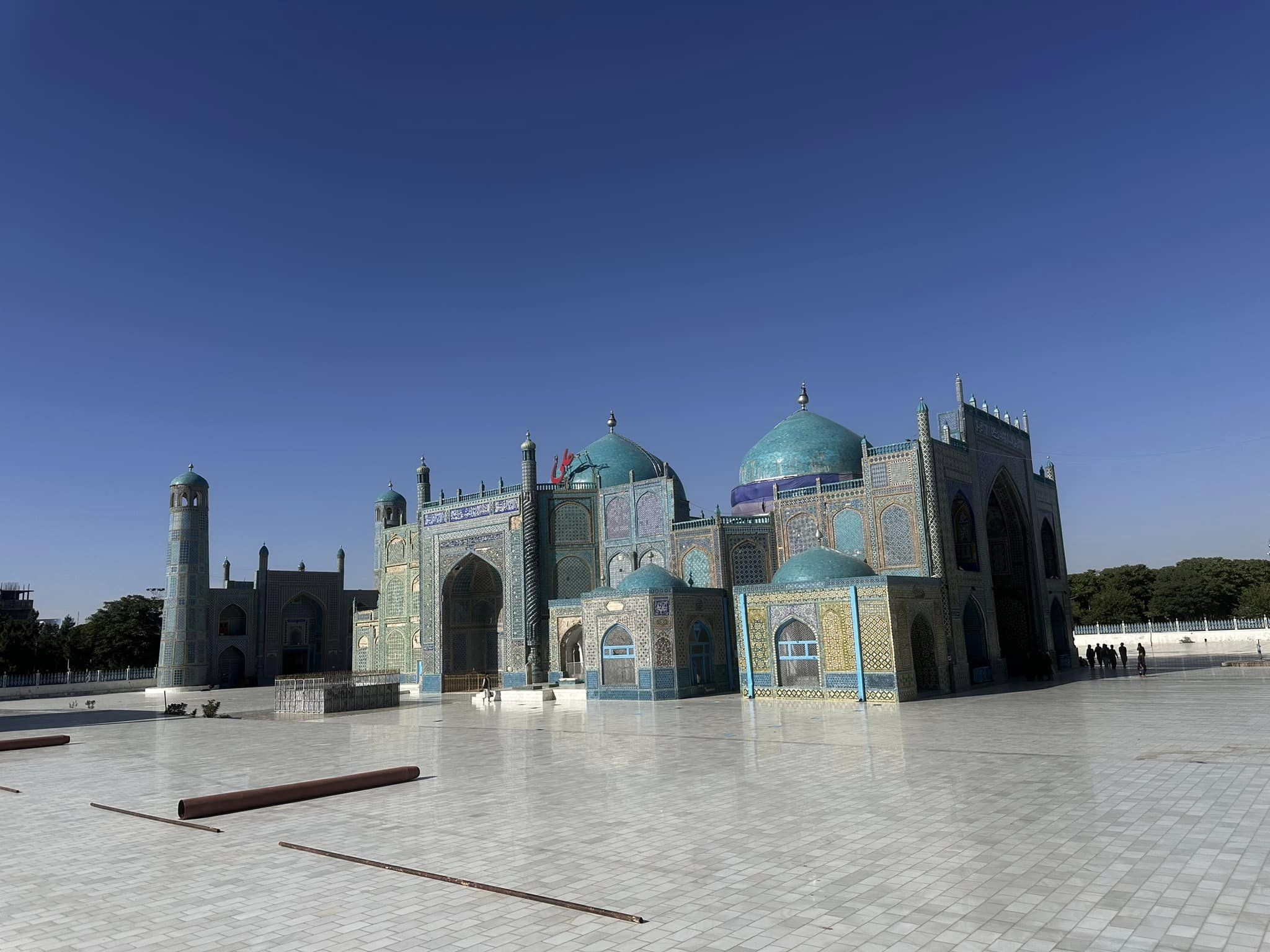
This Muslim shrine is located in the center of the city and is surrounded by a high fence. It is not so easy to enter the territory of the complex.
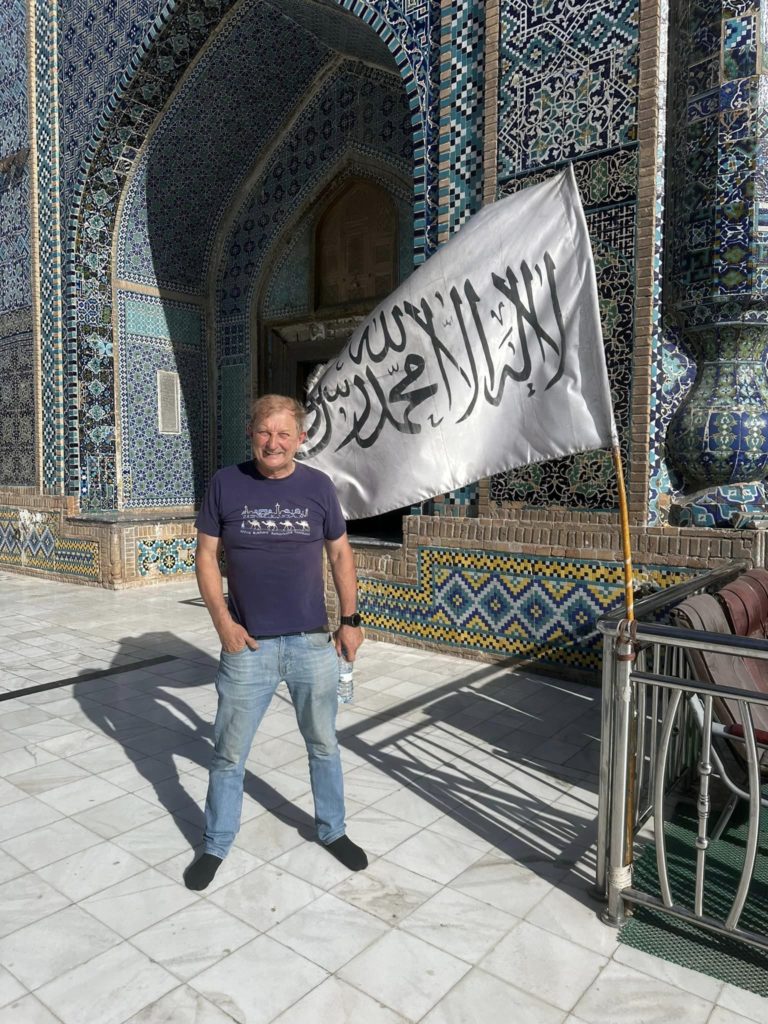
First of all, you have to get a visit permit from the Ministry of Culture, where you will be issued a corresponding document, your photo will be glued and stamped.
But even this paper does not guarantee you entry into the facility. It means nothing to the guards at the entrance to the complex who can't read.
Therefore, in order to still see the Blue Mosque, you will need to find a local person who understands English a little so that he explains to the guards the essence of the moment, after which they will call their boss, who can read, and after 30-40 minutes you will still get to the holy of holies of Shiites all over the world.
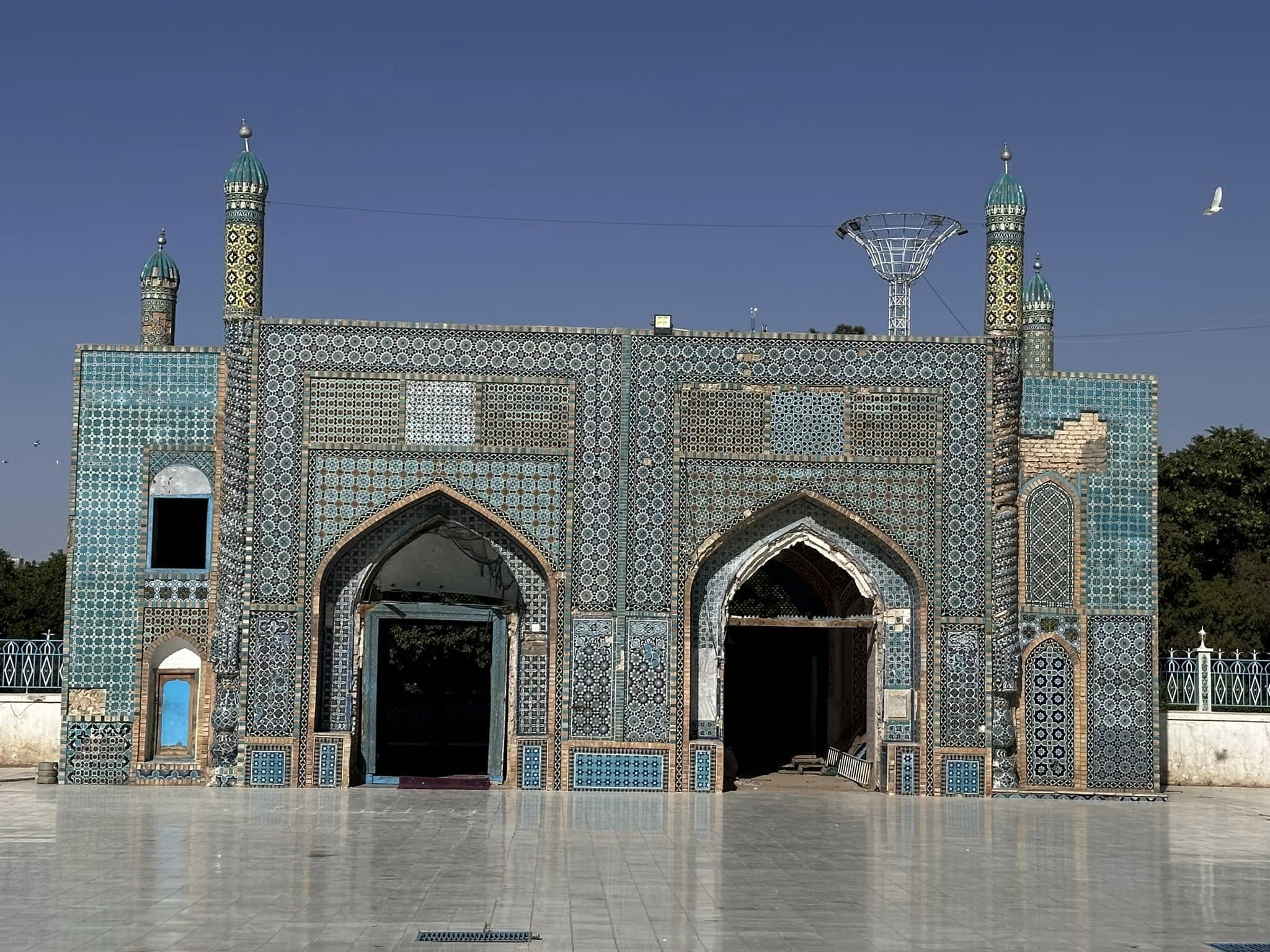
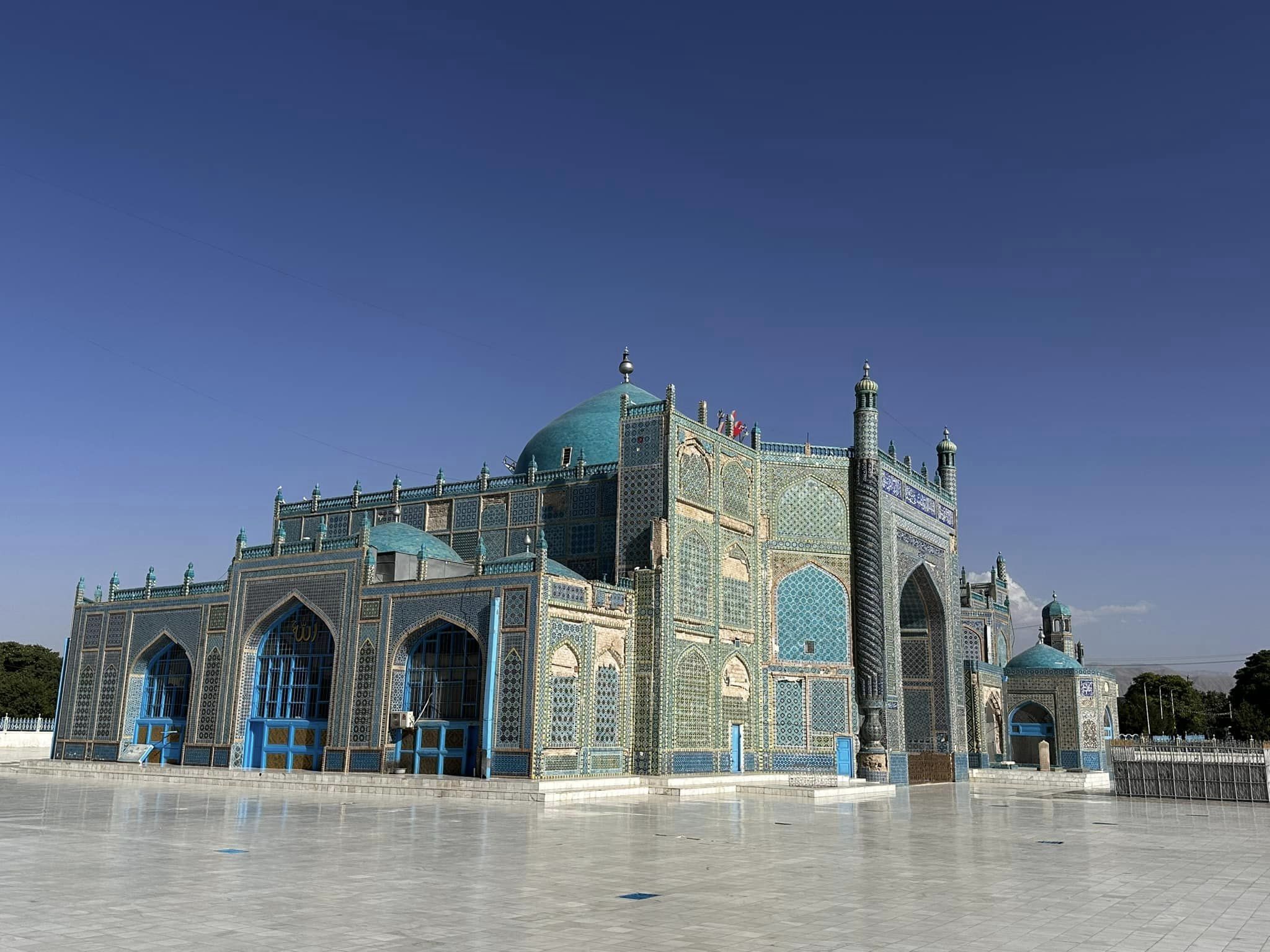
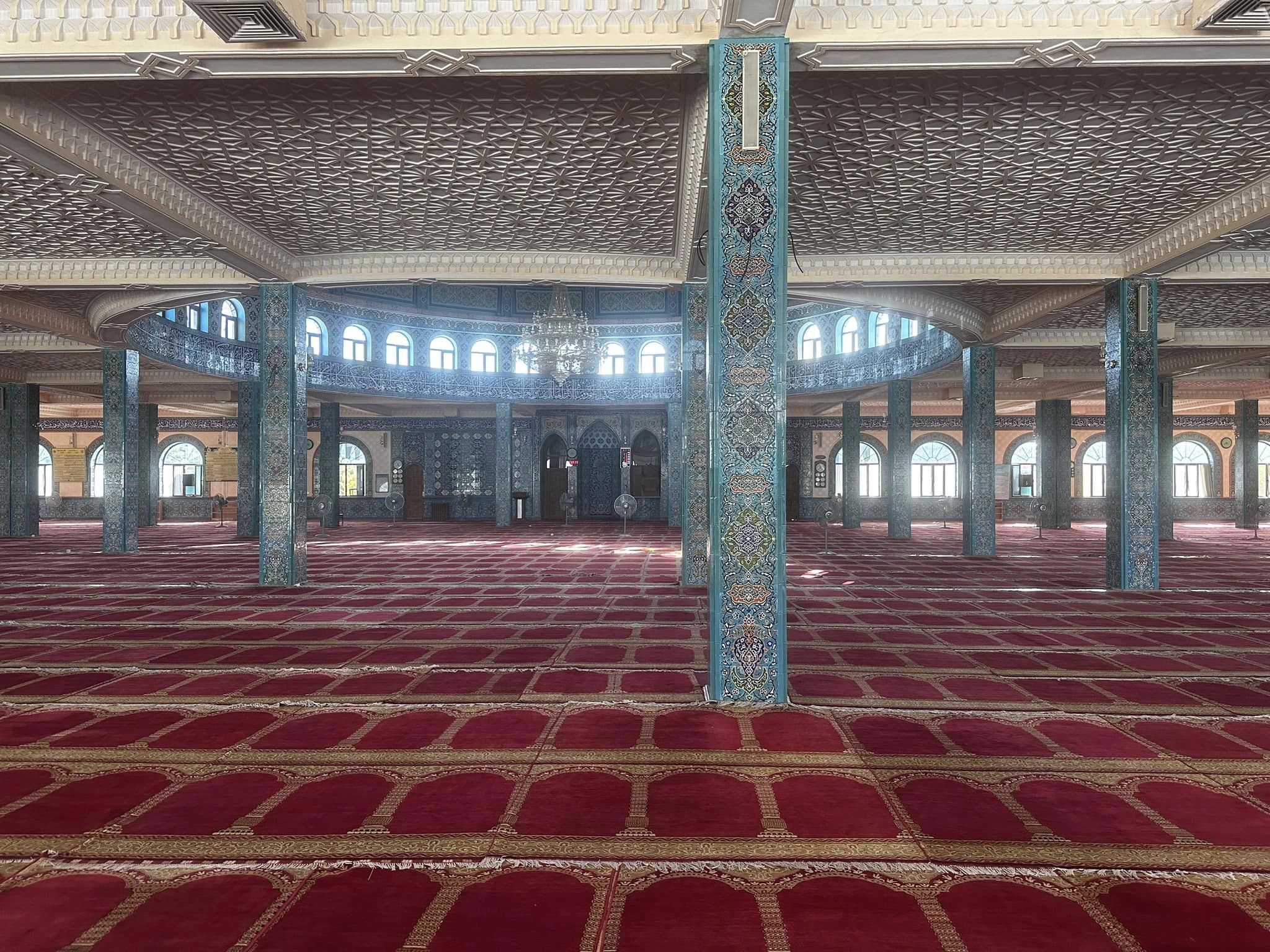
Mazar-I-Sharif
The attitude towards tourists from Russia is very friendly throughout Afghanistan. The Taliban are generally the kindest-hearted people in black.)
A week in Afghanistan is a very unusual adventure! It's unlike any trip I've made in the last 10 years. Simply because Afghanistan is unlike any other country in the world. Many harmful patterns have been debunked, and we have seen with our own eyes this previously closed world for us.
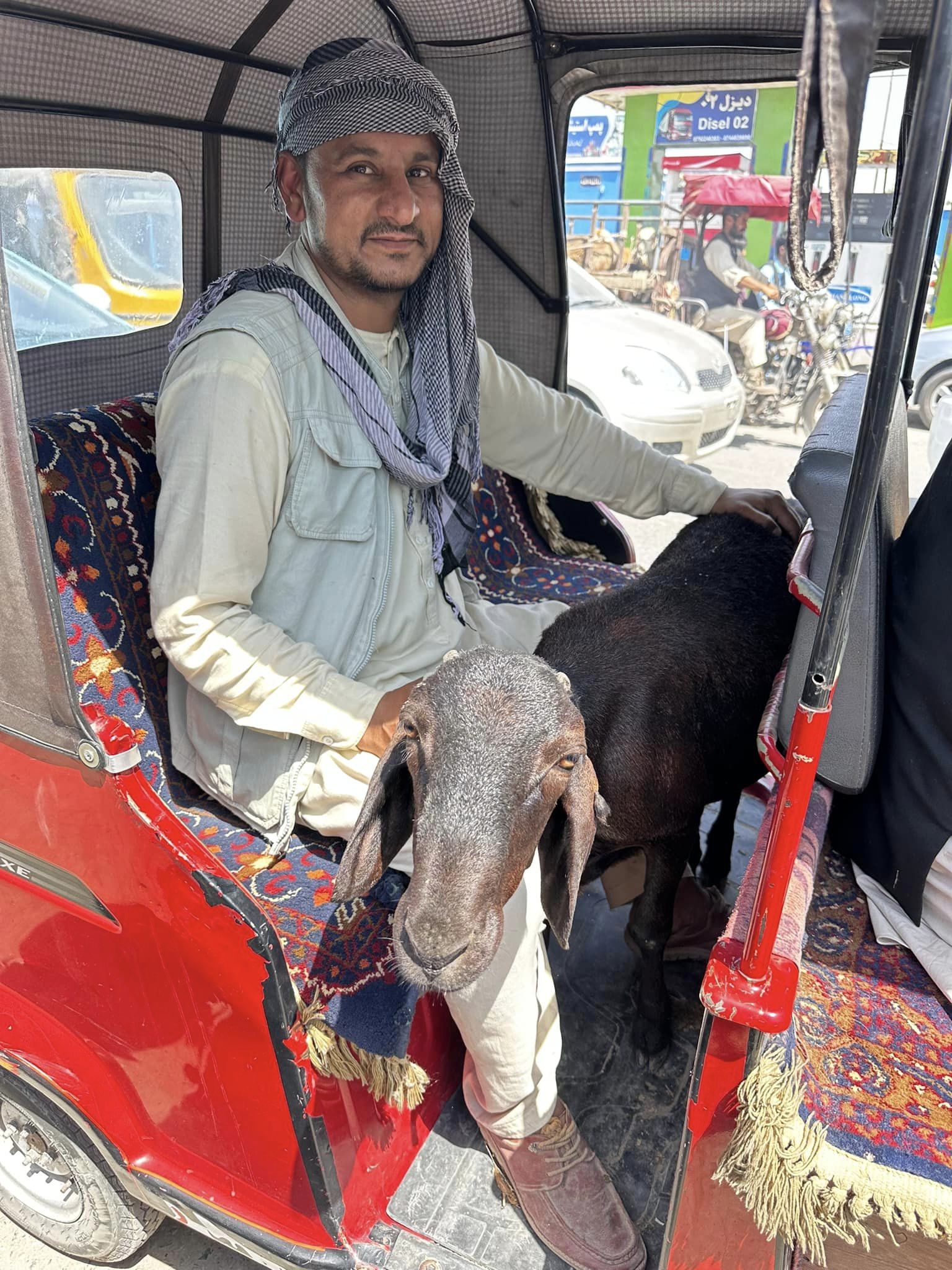
Afghanistan for me was, like a local woman in a burqa, mysterious and incomprehensible. There were slight fears that after the words "Gulchatai, open your face!" a terrible Abdullah with a machine gun and a white Taliban flag would turn out to be under the burqa, but these fears turned out to be in vain and we realized this literally on the second day after we moved from the right to the left bank of the Panj. We never saw Gulchatai, but Abdullah turned out to be quite interesting and likeable. Although with an AK-47.))
What will be remembered?
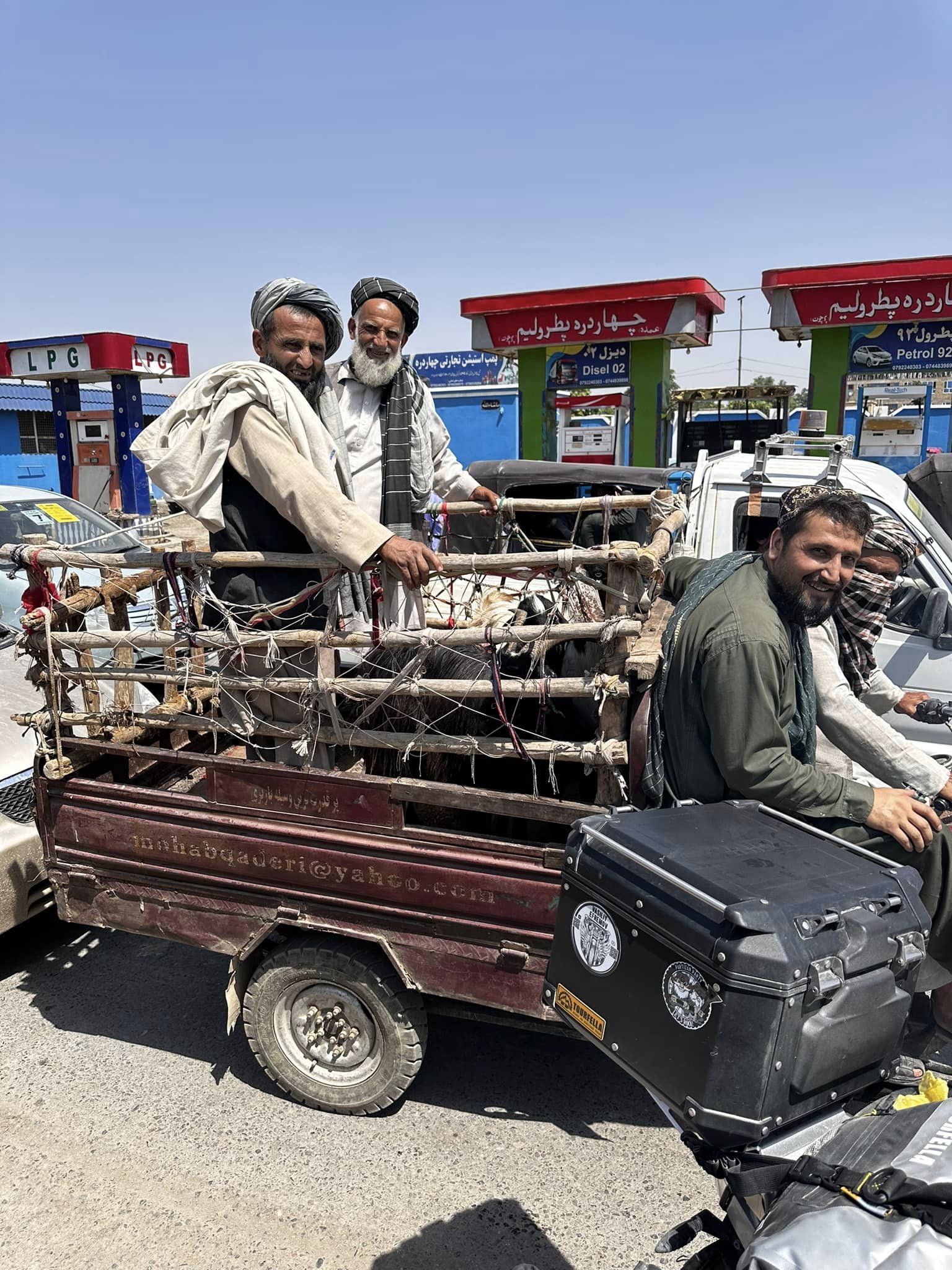
— People. Mostly uneducated and illiterate, but simple, open, naive, hospitable.
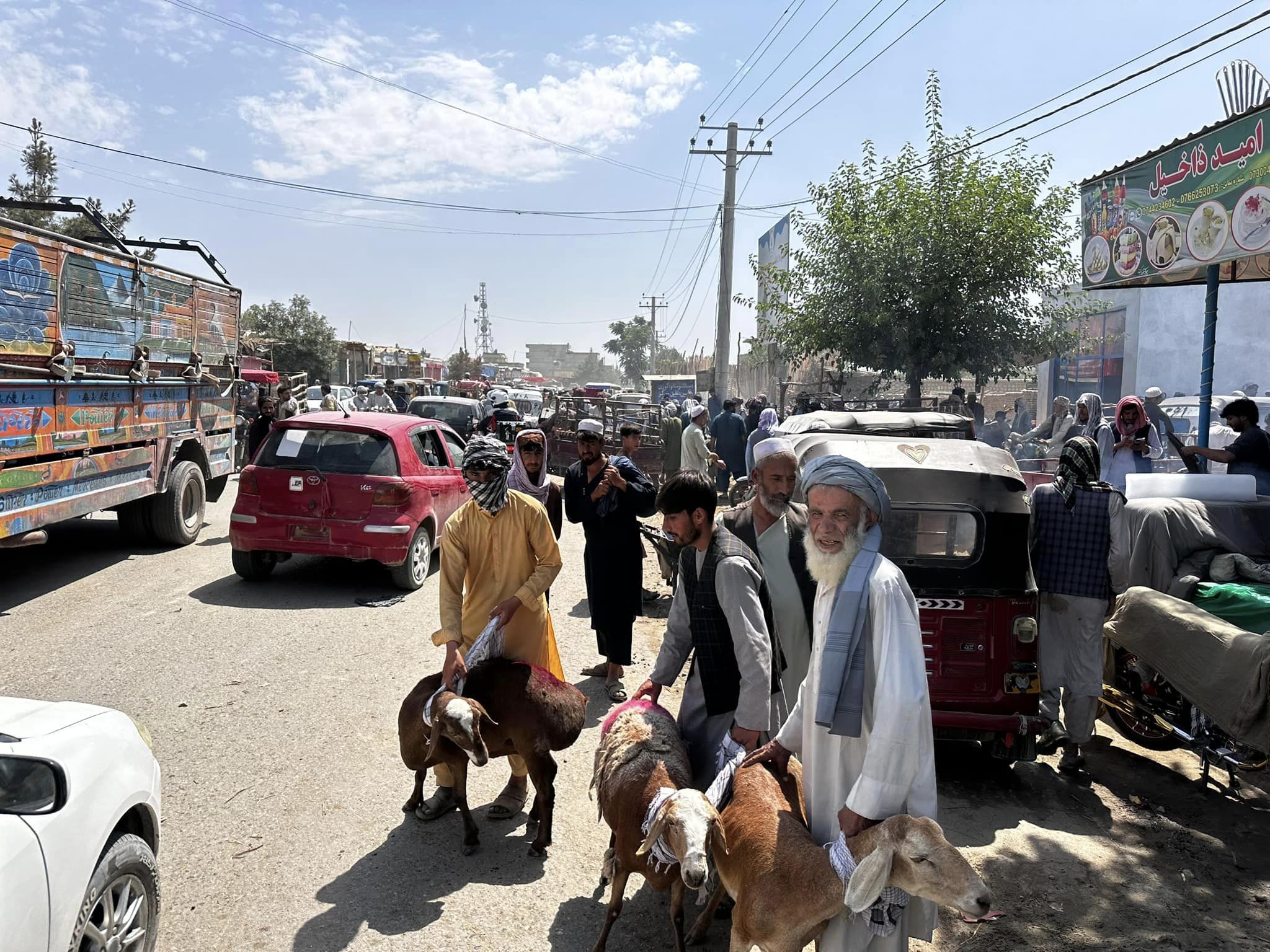
- Eastern flavor. Clothes, simple food, huge markets in squares and streets, lack of women and traffic regulations.
— Children
— Roadblocks
— Salang.
— Bamiyan, Band Amir and the Blue Sword
And that was just a fleeting glimpse of Afghanistan. Will I go back to see what I couldn't this time?
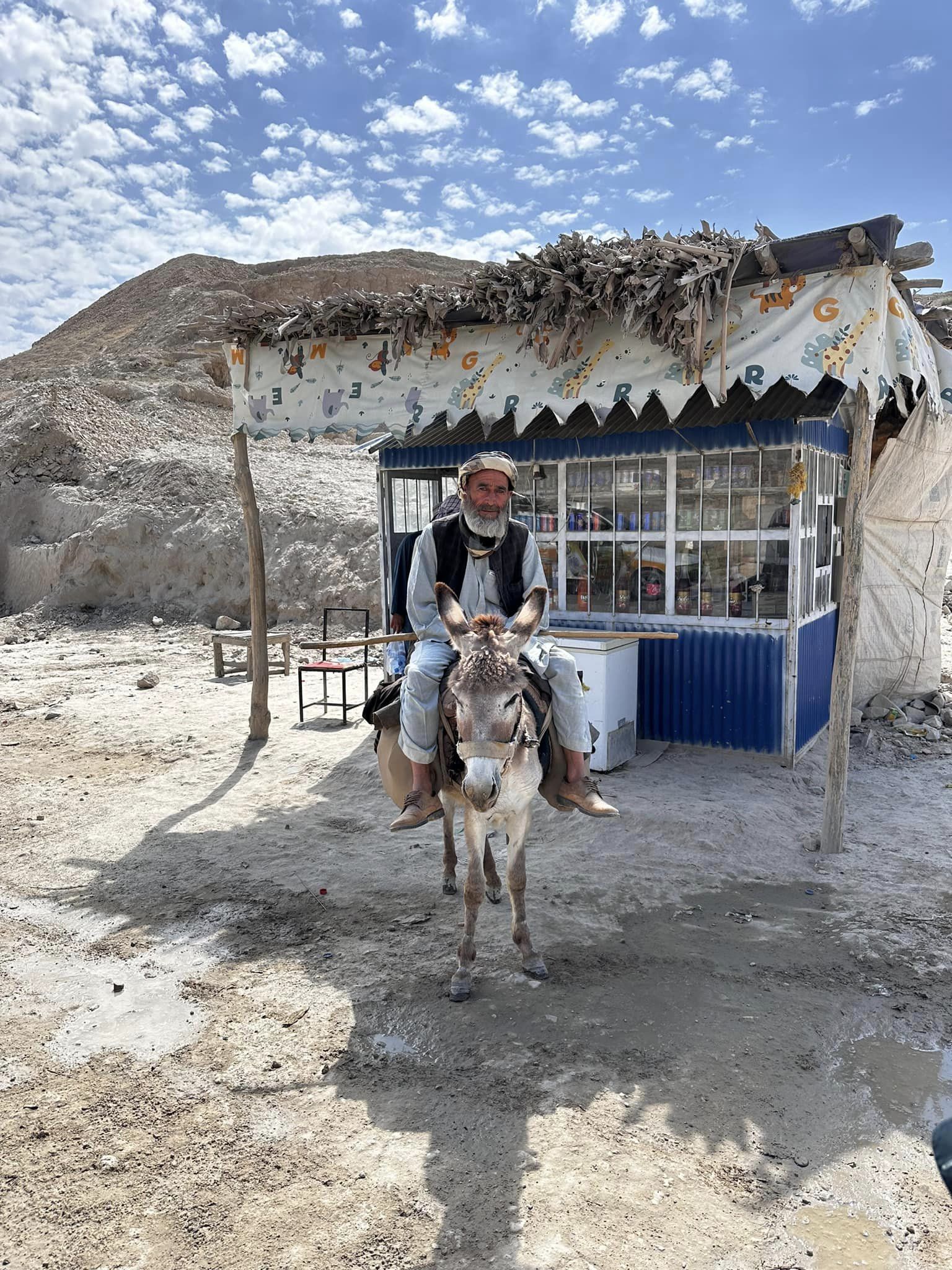
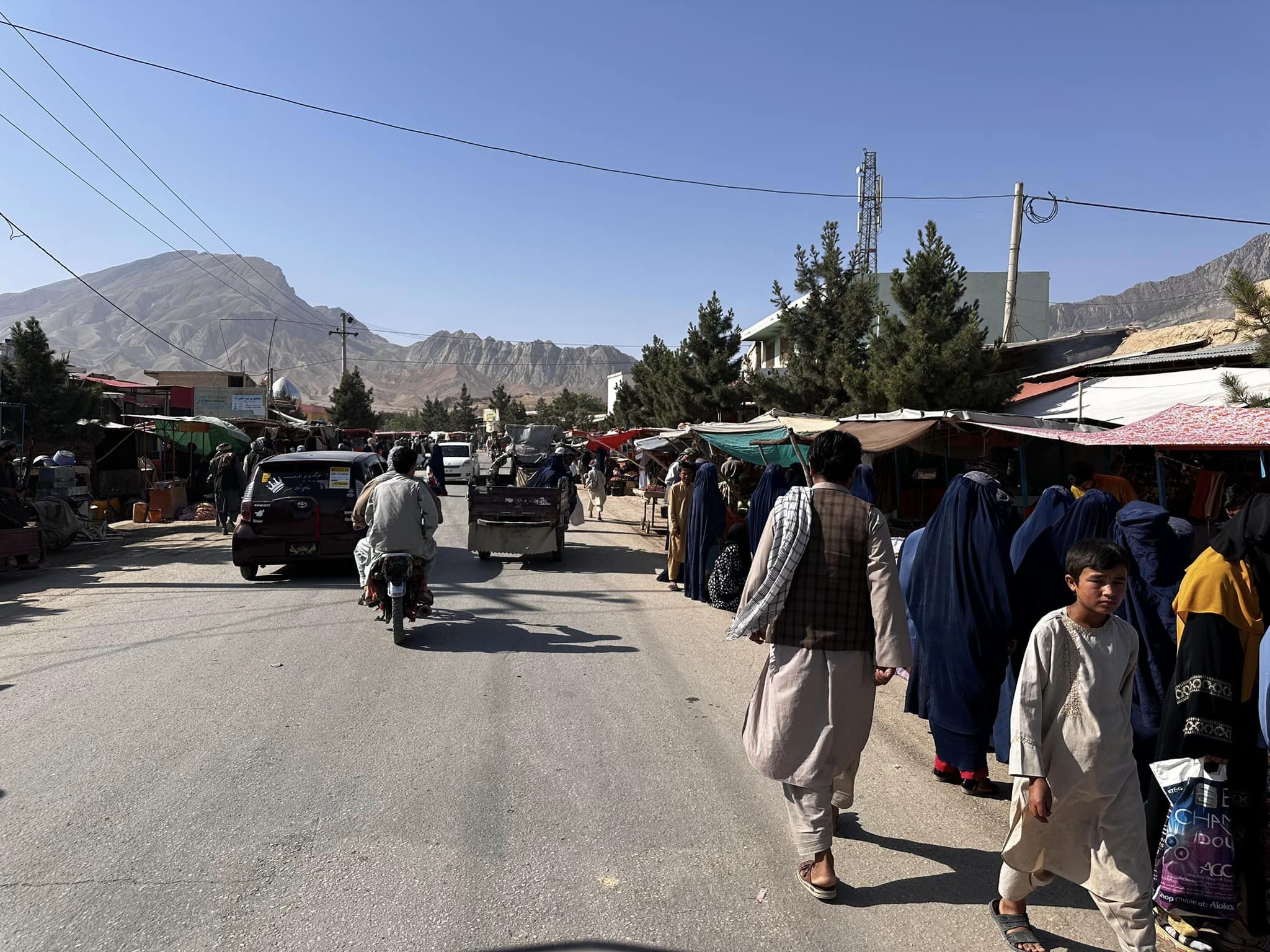
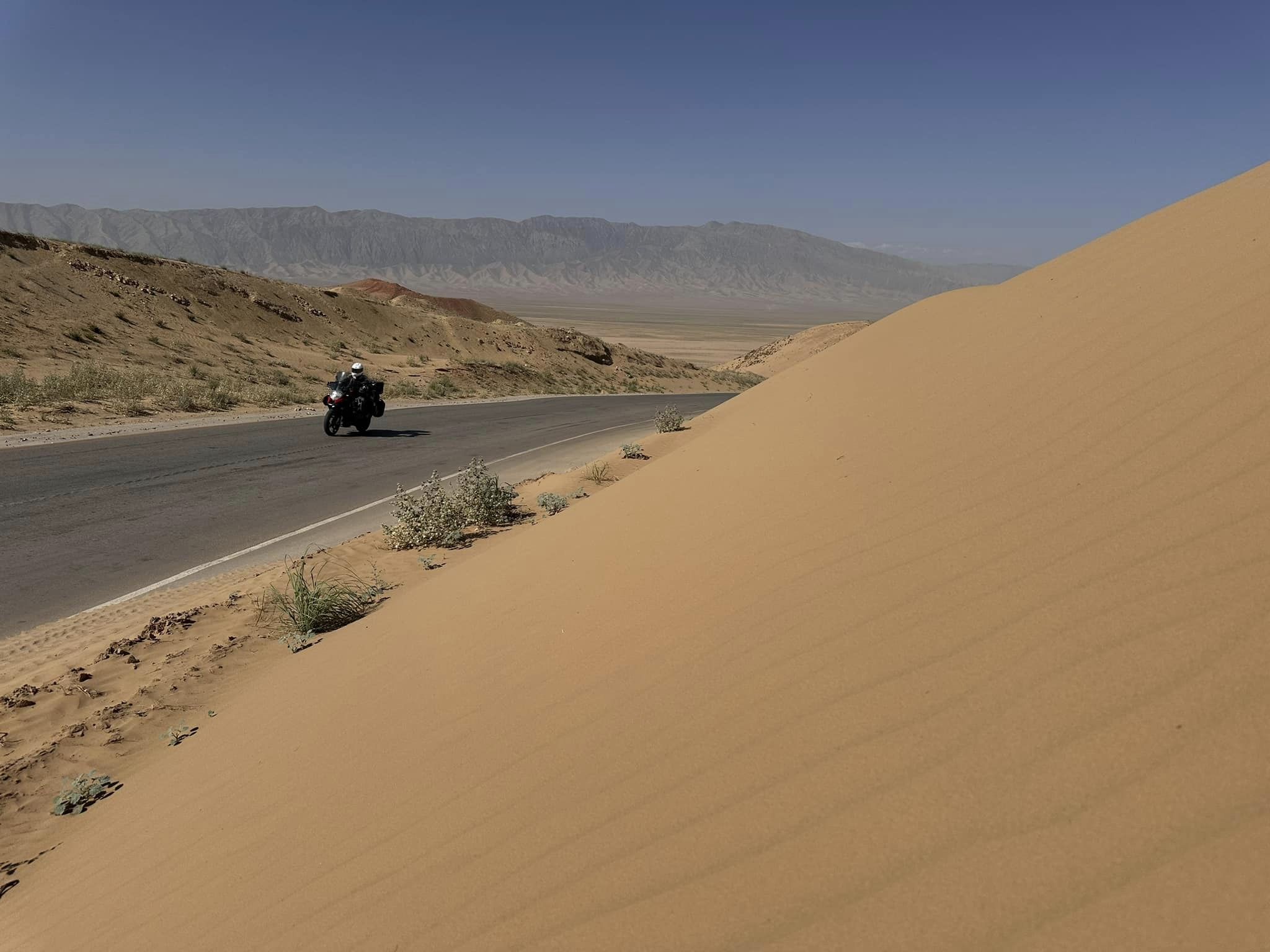
I really hope so.
Dushanbe-Pildon
Whenever a journey comes to an end, it gets a little sad. It's like that when there are only a few pages left to read in a fascinating, exciting book.
The friends have separated. We parted with Lyudmila and Nikolai back in Afghanistan, and with Dima in Dushanbe.
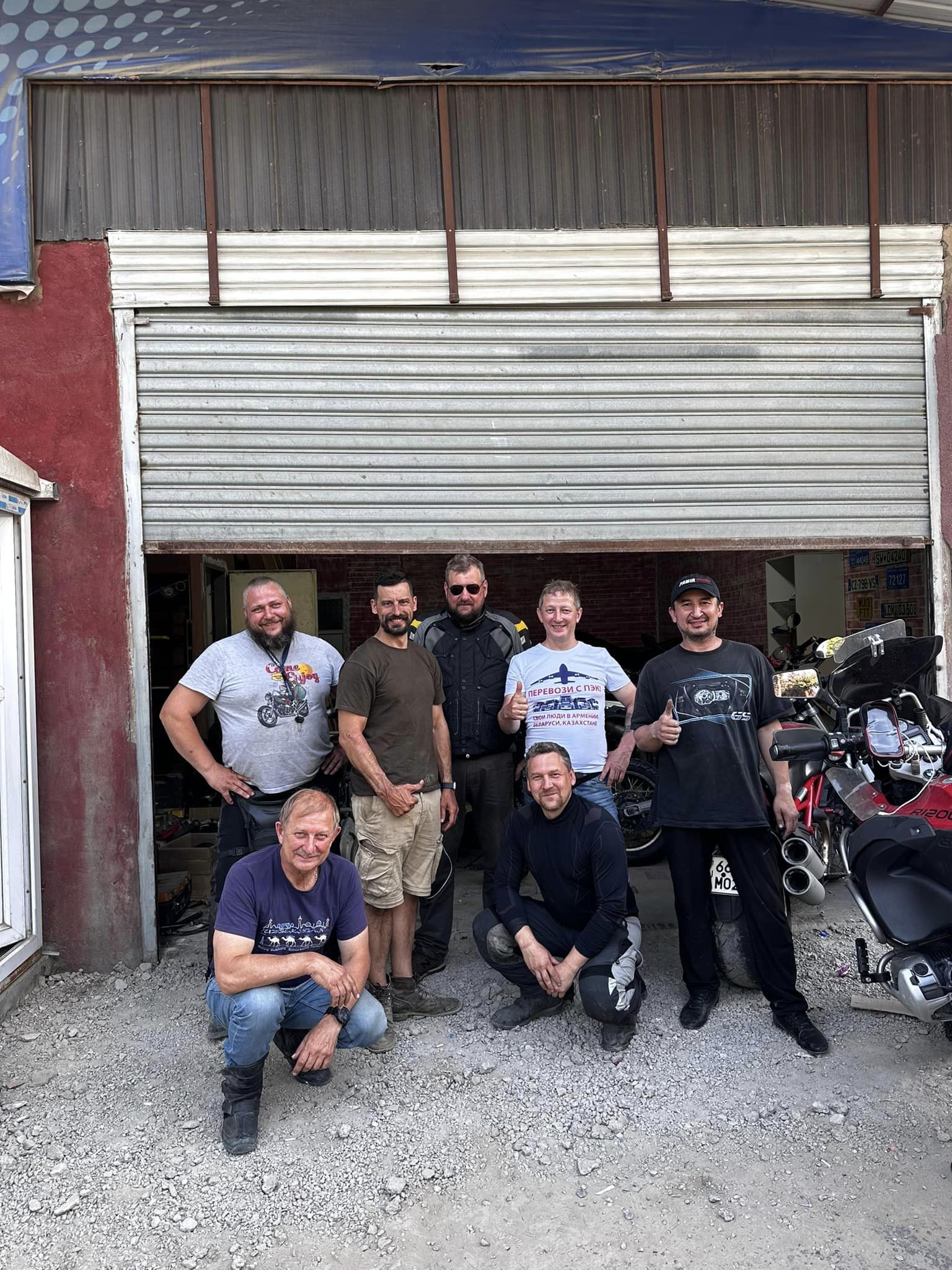
It's time for me to go home too. It remains to be determined-which way? The direction is clear, but the route?
Looking at the map, I realized that the best route from Dushanbe to Podolsk is along the Pamir road and then through Kyrgyzstan and Issyk-Kul to Alma-Ata. And then it's a short walk home
Moreover, almost on the way I can visit some wonderful people living in the Surkhob river valley in the east of Tajikistan. They have been waiting for me for a long tim
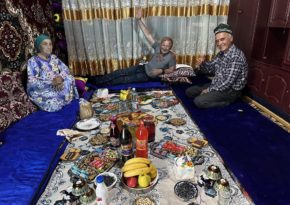
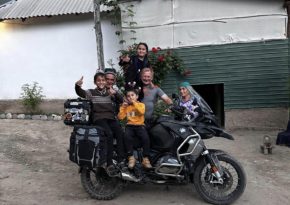
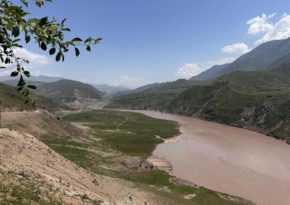
So the adventure doesn't end. The book has a sequel because I'm the one writing it! ))
The Pamir Mountains.
The Pamir tract can be traveled by different roads. One route is easier, it starts from Dushanbe to Kalai-Khumb, through Kulyab. This is the "lower" road that everyone usually takes
The second is more complicated and beautiful - from Dushanbe through Tavildora and Khaburobod pass 3200 m to Kalai-Khumb, the so-called "upper road". Kalai-Khumb itself, as well as the next section to Khorog, cannot be bypassed
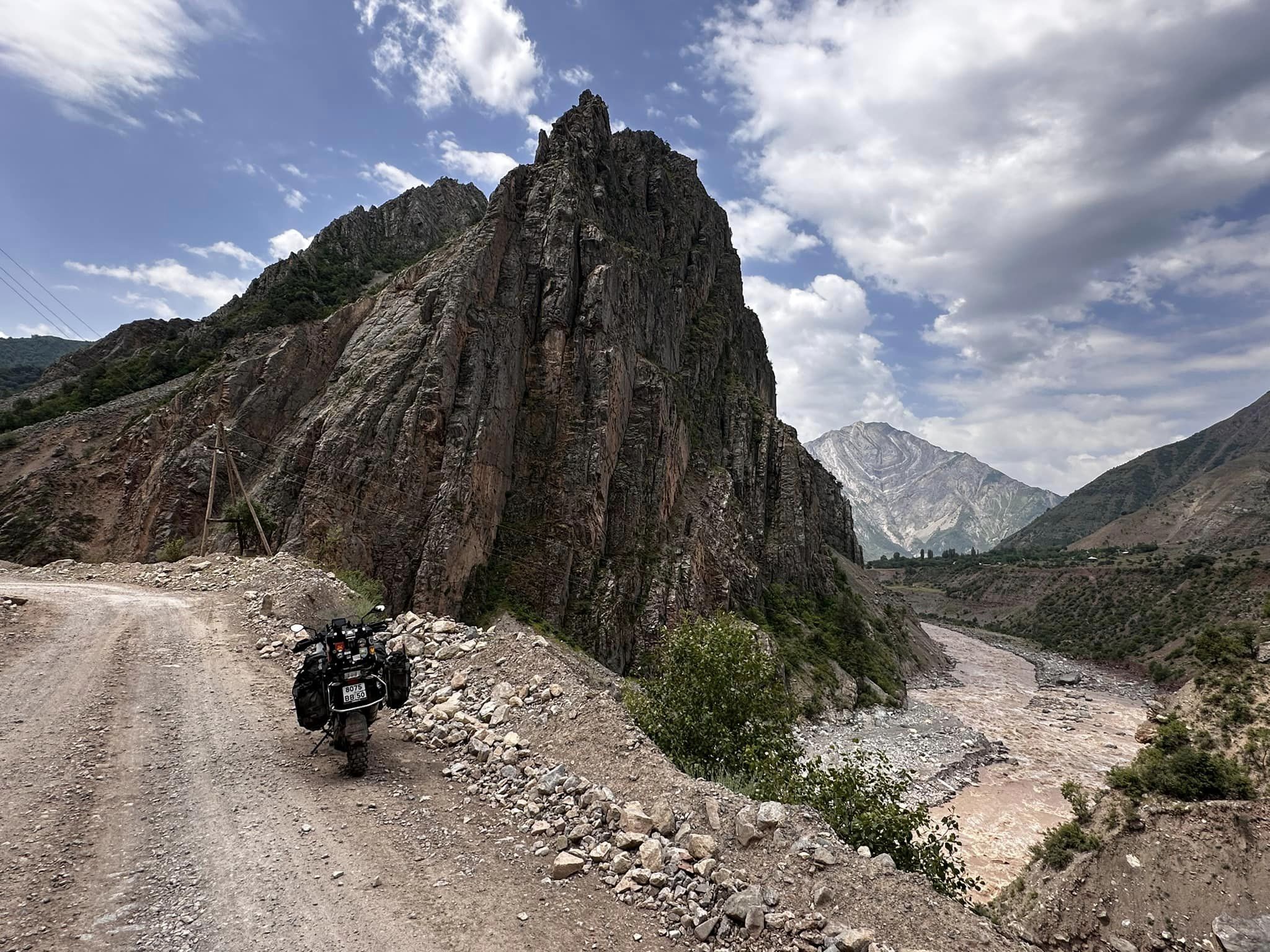
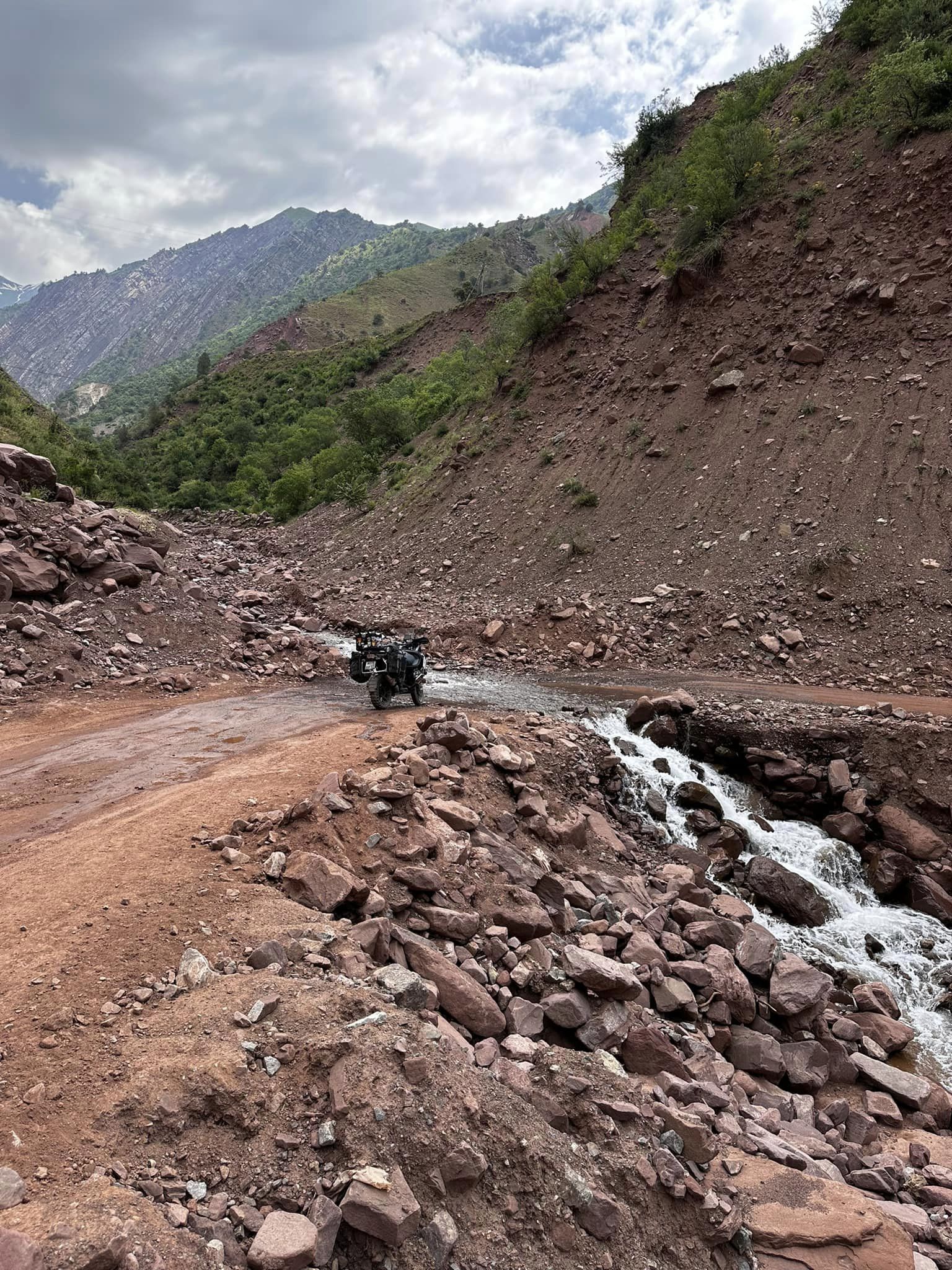
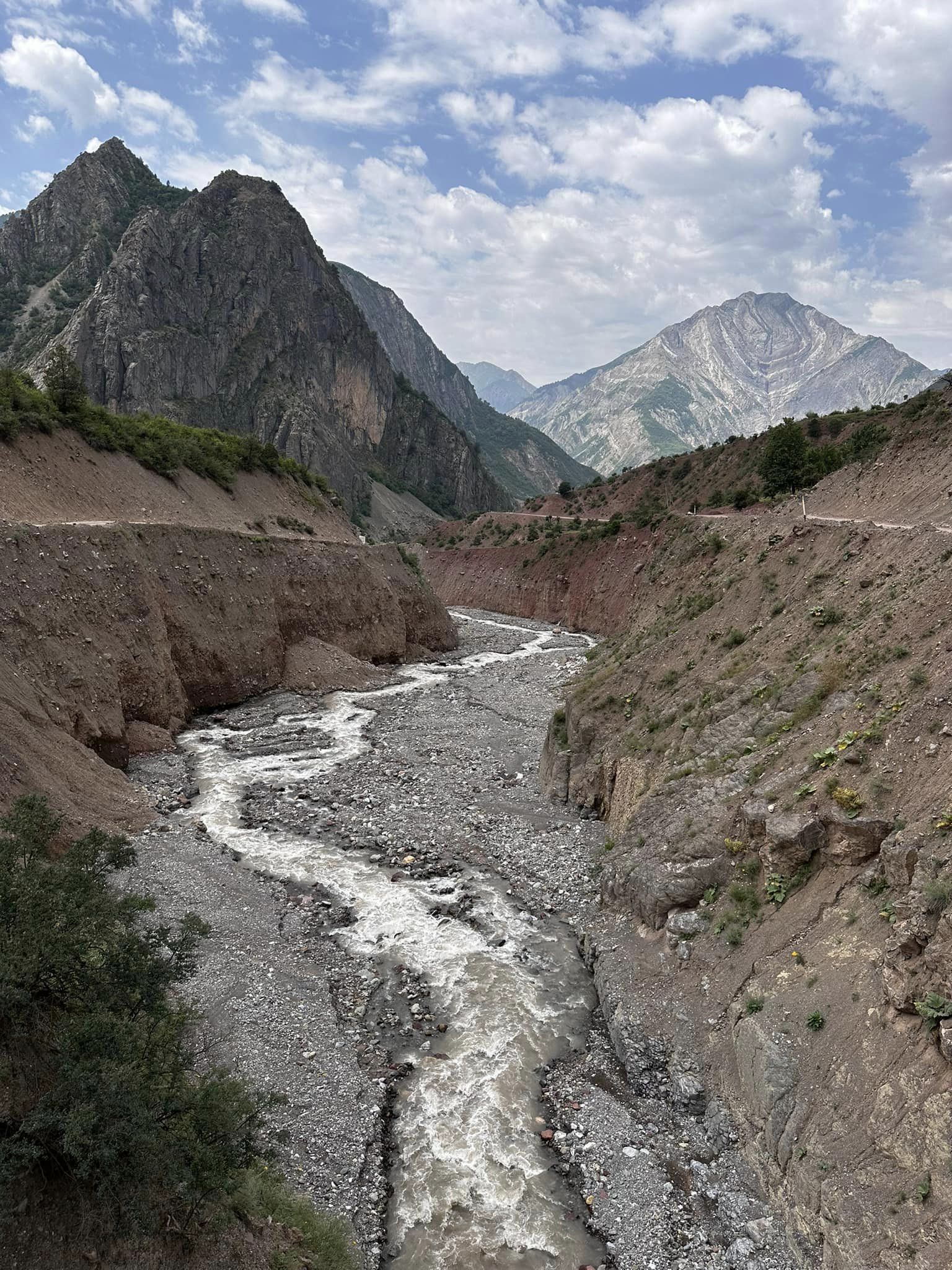
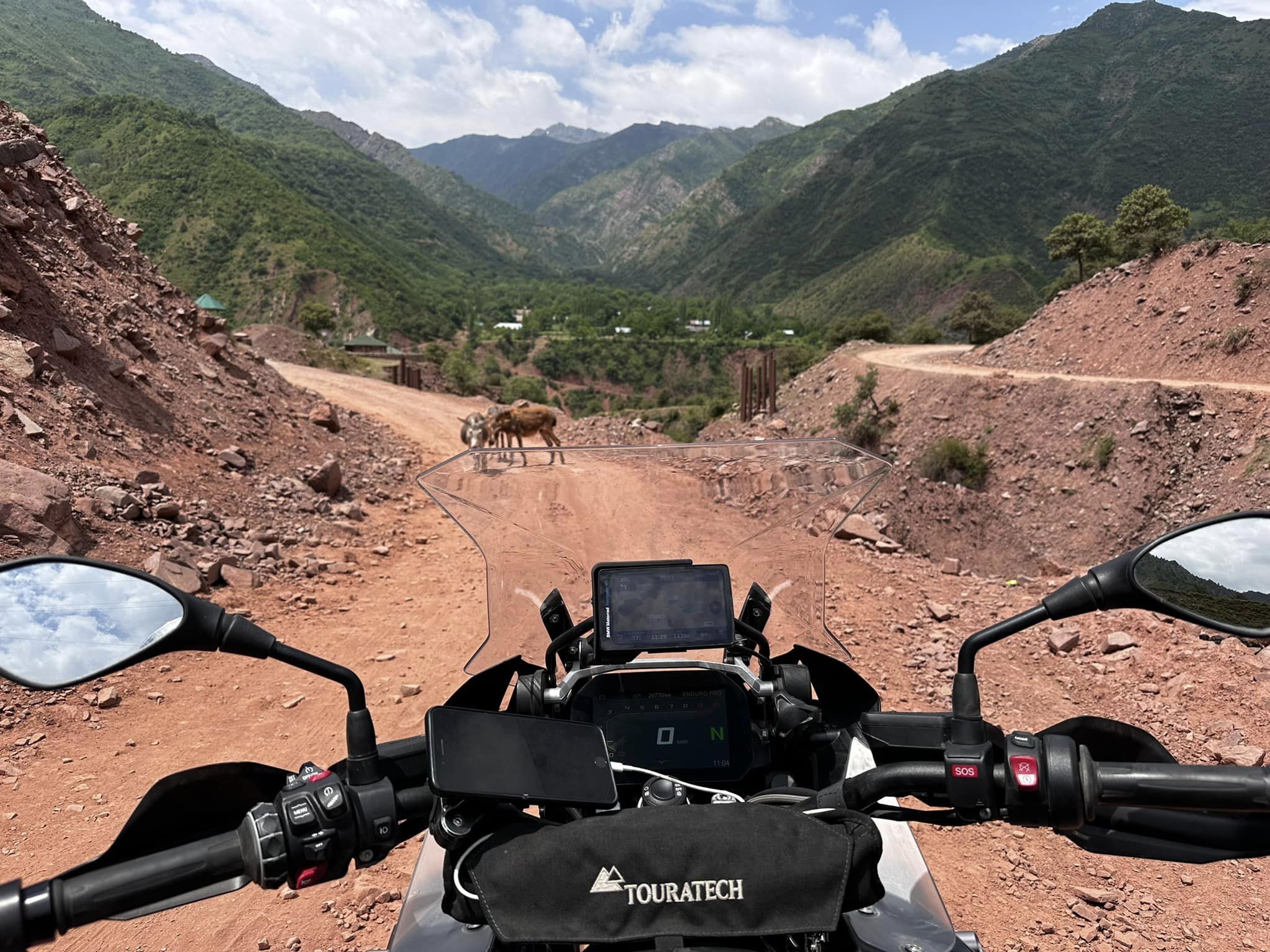
Now the "upper road" has become even more difficult, as a new road is being built up to Tavildara, and we have to bypass this construction by some confusing paths through auls, having a hard time parting with trucks. In some places the road has been washed away and even the bridge has been swept away. Almost no one had ever traveled along it before, only locals and other adventurers
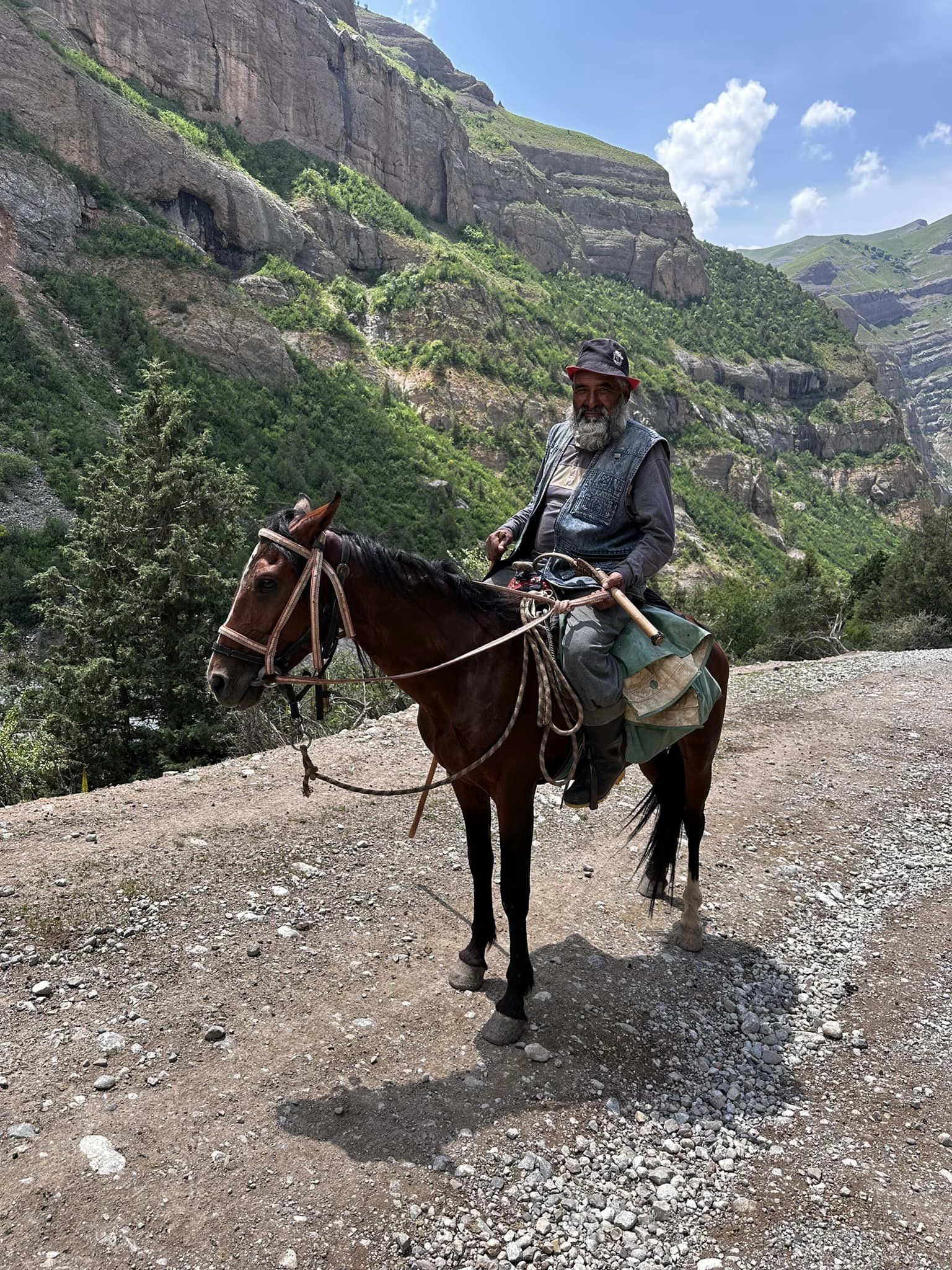
But the views, of course, are gorgeous! Gorge, cliffs, river, snowy pass where I was caught in a downpour with hail, herds of rams and colorful shepherds, everything was super!
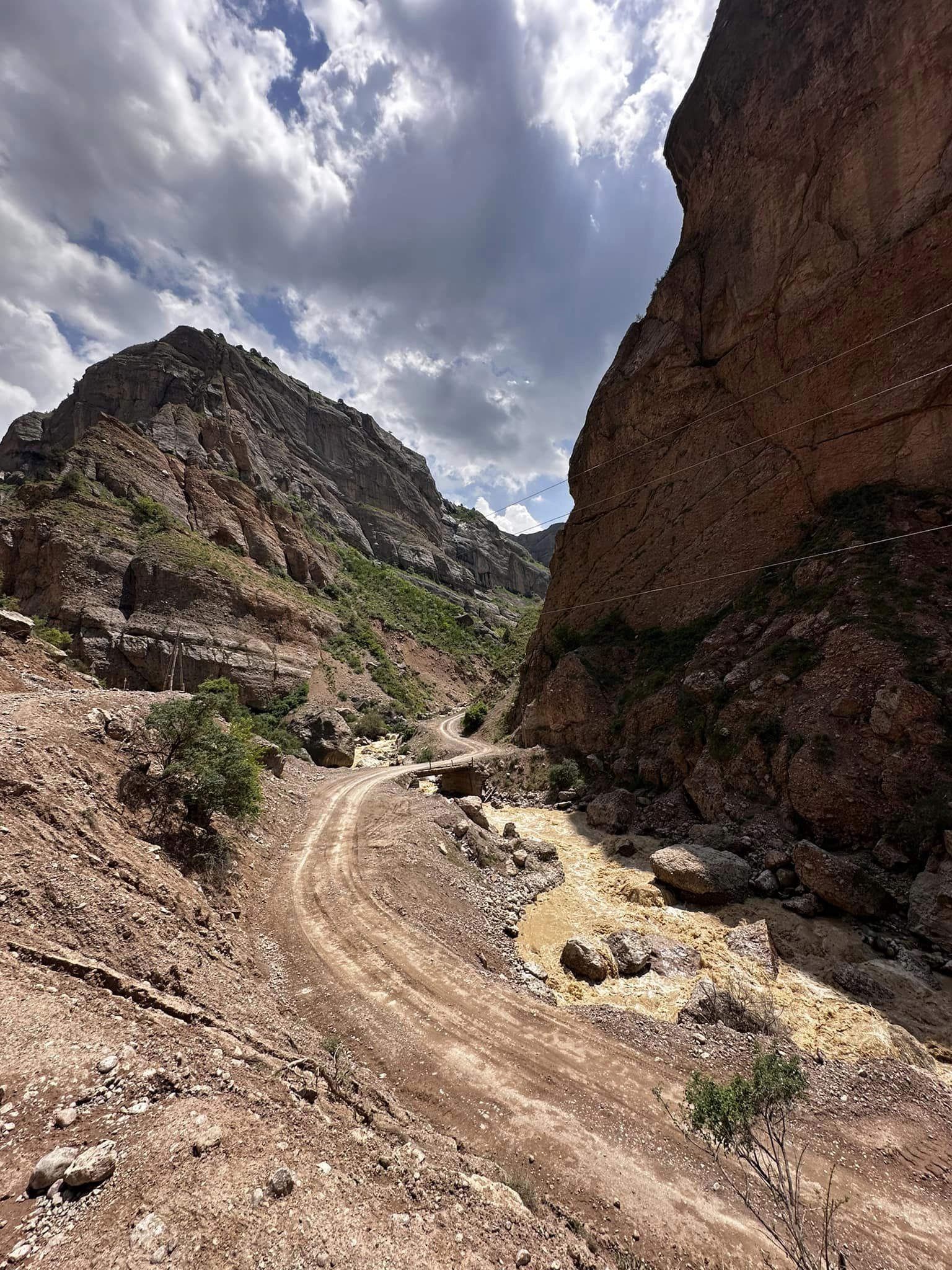
It is about 200 km from Kalai-Khumba to Khorog, the largest settlement on the Pamir Road. This is the only section of the road that cannot be bypassed, and now Chinese companies are carrying out construction work to modernize it. They are blasting and chiseling rocks, filling in failures, and widening the roadbed.
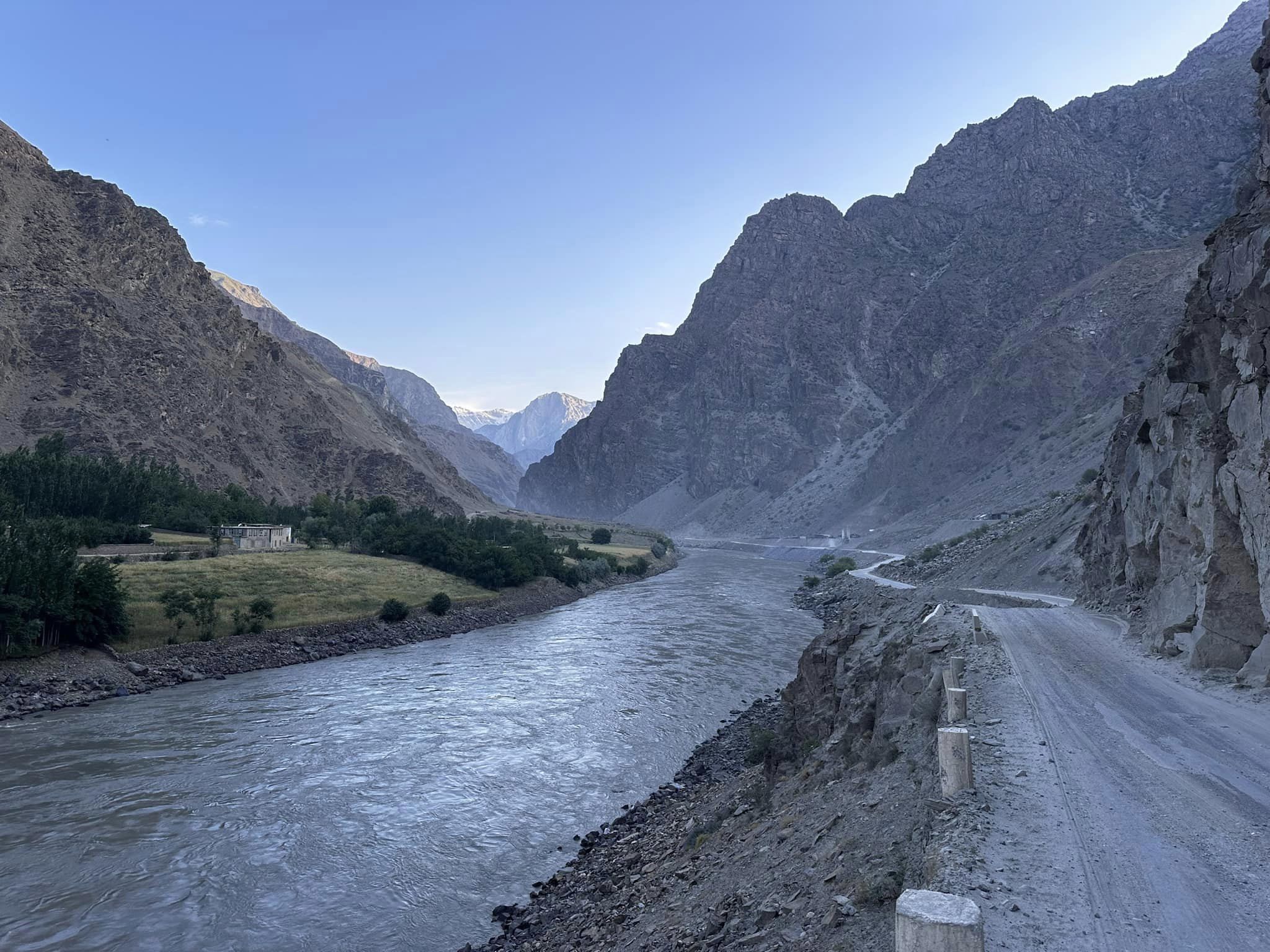
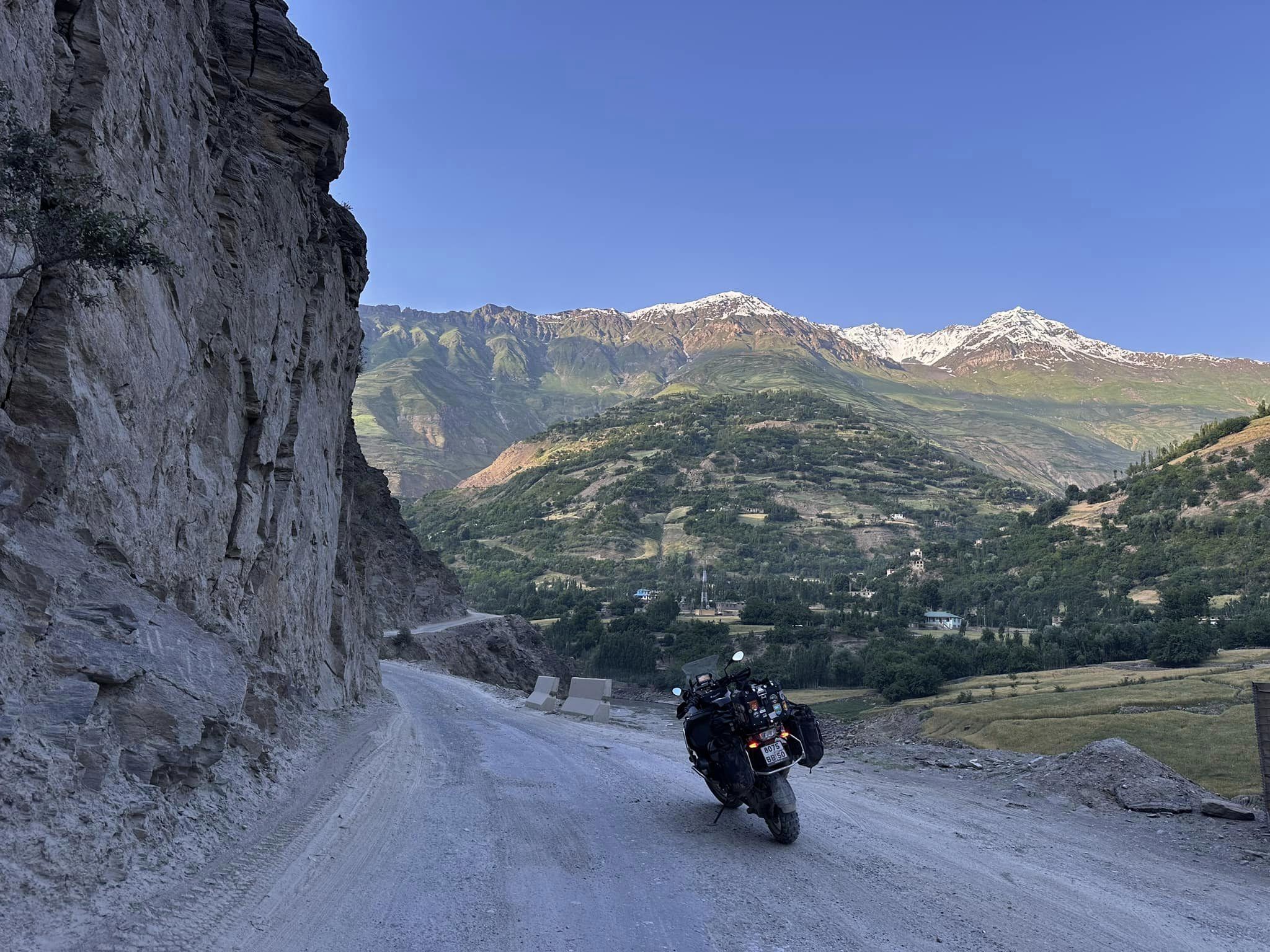
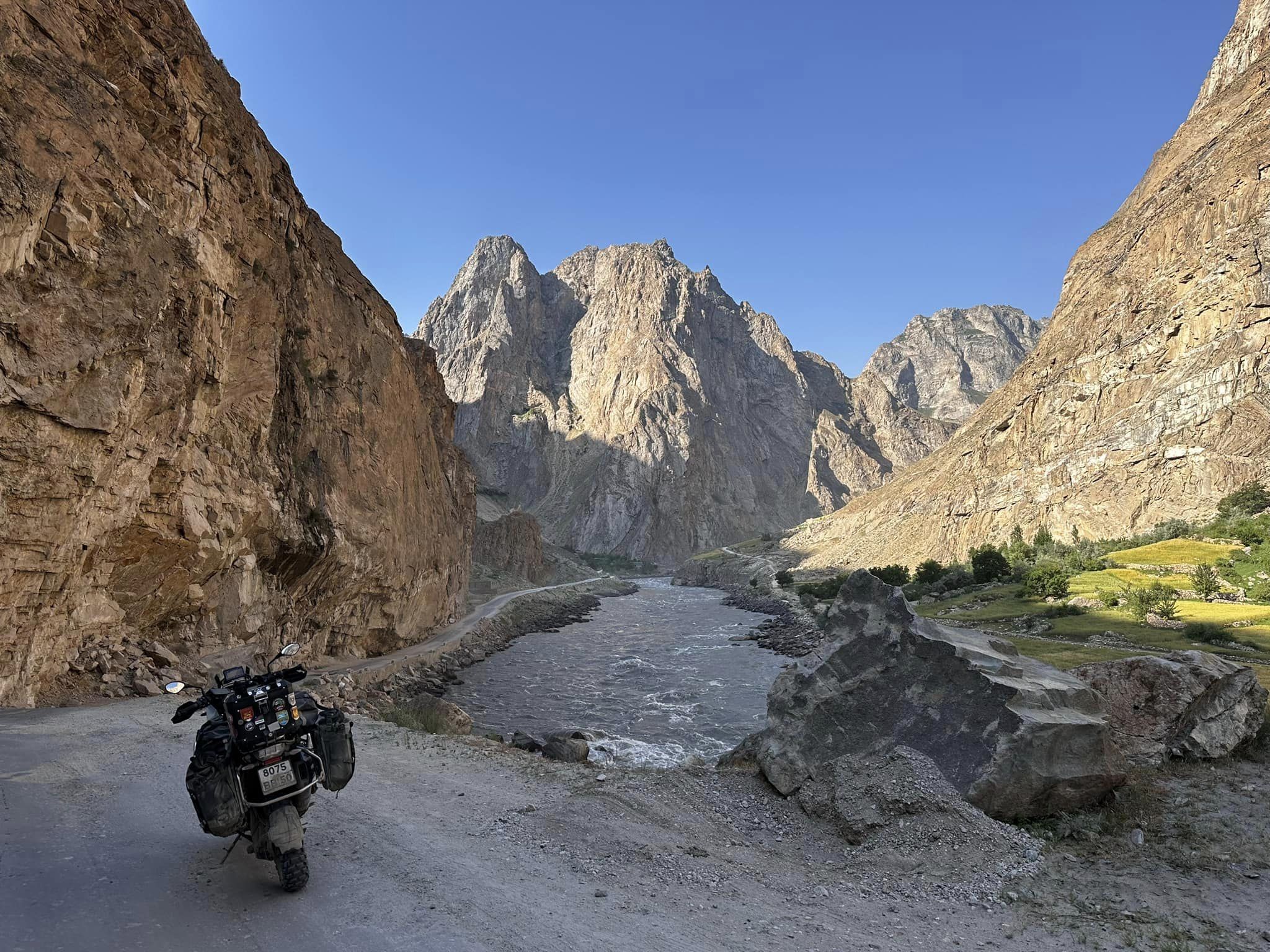
The work starts at seven in the morning and traffic can be blocked for several hours, so I left at five and managed to fly the first, the busiest 100 km, before the closure. Khorog is the capital of the Pamirs, or rather of the Gorno-Badakhshan Autonomous Oblast, where the Badakhshans, as they call themselves, live. They are quite different from the inhabitants of other regions of Tajikistan. They have their own language, religion, culture and even in appearance they are different, dark-haired but with blue eyes. )
Most speak Russian very well, are smiling and friendly, so I felt very comfortable walking the streets.
Khorog is not a big city, the population is only 30 thousand, but it has everything, even a university and a theater. There is a quite modern hotel, the Pamir Palace, and many small private hotels. In Khorog I was finally able to drink a decent cup of coffee with a piece of Napoleon cake, sitting on the open terrace of a cafe and looking at the passing girls and women, most of whom do not wear a headscarf, but dress quite fashionably and modernly or wear colorful national dresses.
From Khorog, the Pamir road can be followed in two ways, the first is the asphalted road to Murghab, called the "upper" road.
The second is the "lower" dirt road along the Pyandj, it is longer, more difficult and more interesting.
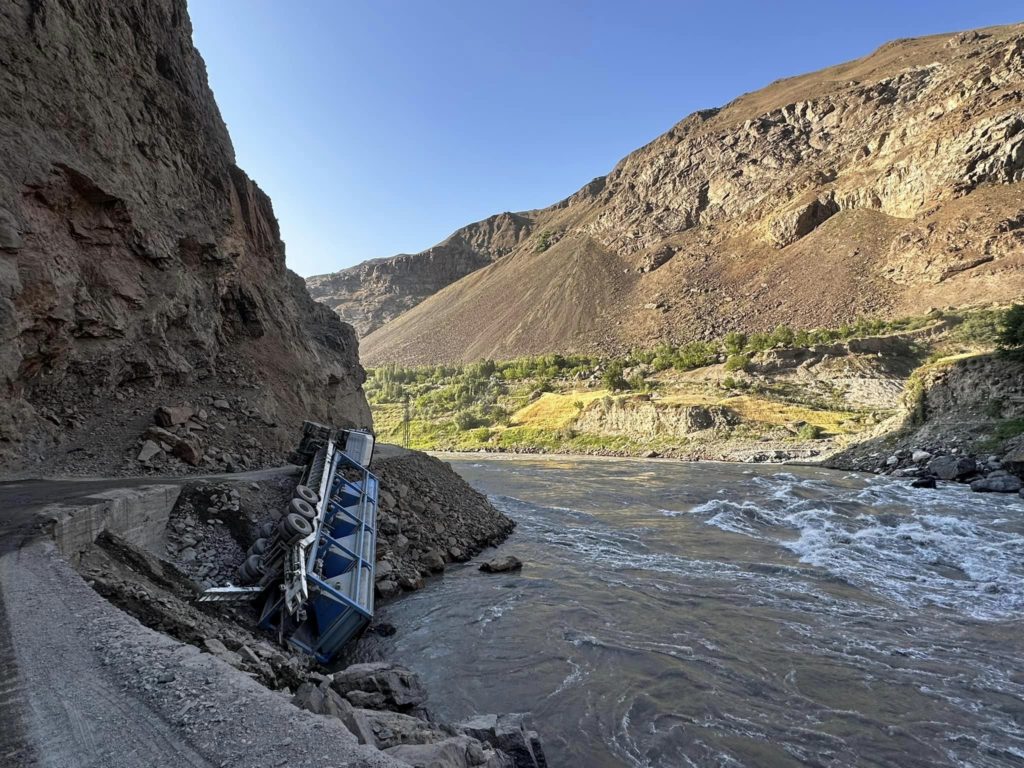
On it I continued my journey across the Pamirs.
The Afghan market