Cap-travel.ru
 English
  Русский
 Visiting the Taliban. Part 3.
Visiting forbidden people.
From Dushanbe to the Afghan border is 180 km of excellent highway, which can be covered in a couple of hours. We took a little longer, as I managed to catch a self-tapping screw in the rear tire somewhere
40 km before the border we filled up full tanks with 92 gasoline and in half an hour we were at the barrier of Nizhny Pianj checkpoint.
It took one hour to complete the departure from Tajikistan, then we crossed the natural border of the two states — the Panj River over a long bridge.
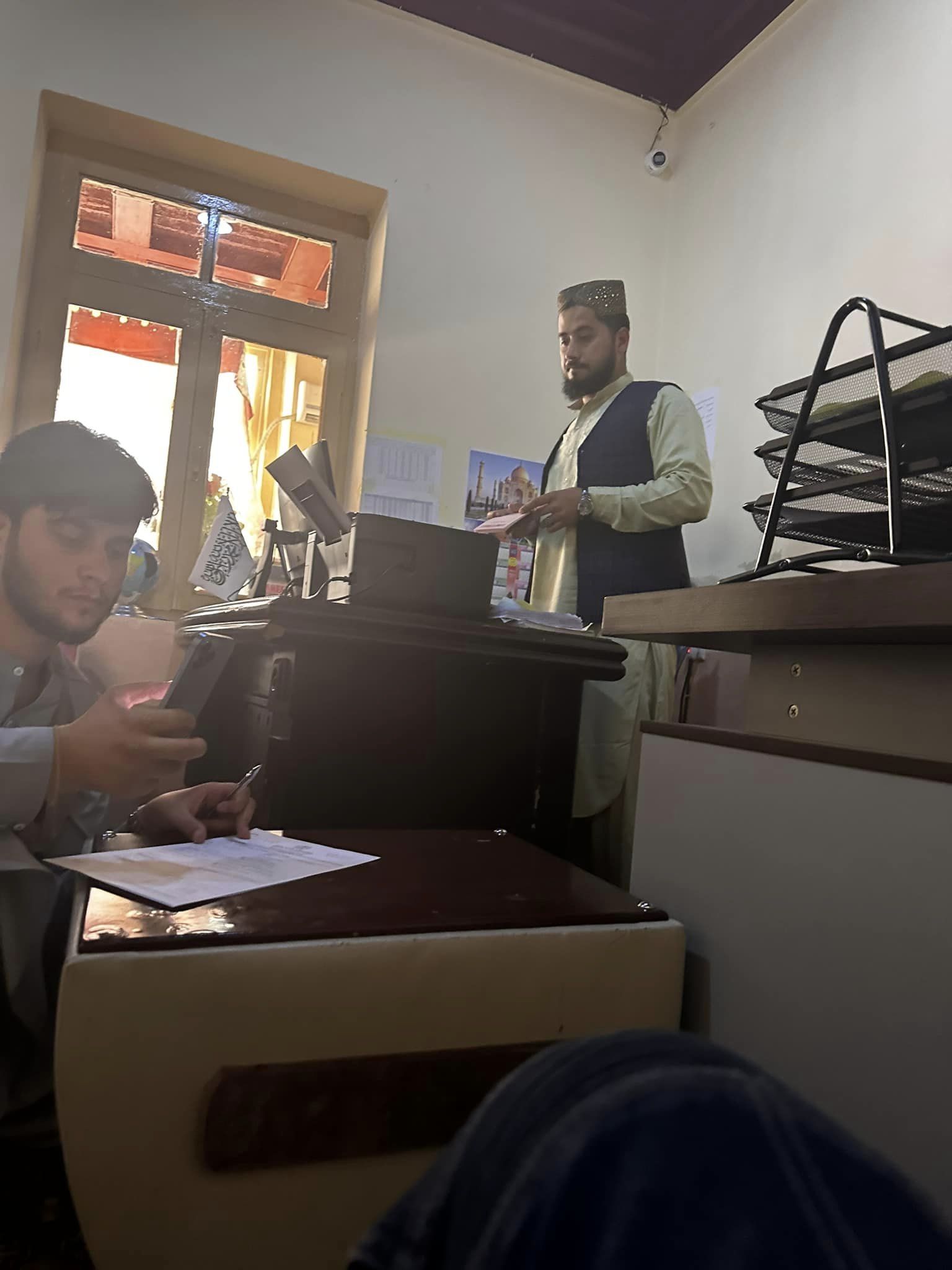
On the Afghan side, we were met by bearded men in camouflage. One of them gestured to a place to put the motorcycles and took us to a neighboring room for passport control.
Ludmila was asked to go behind the curtain and was searched there, apparently women in Afghanistan do not inspire confidence.
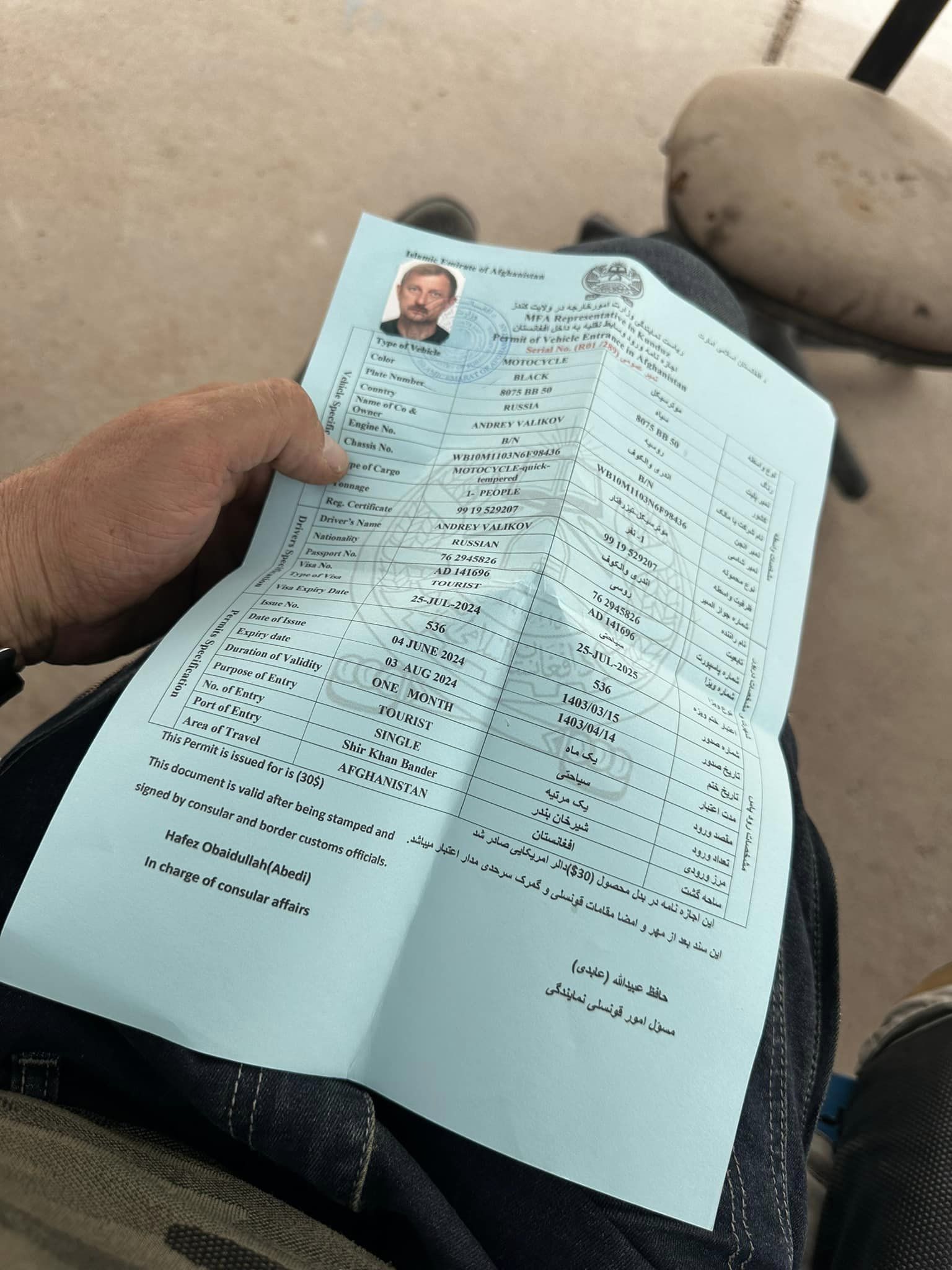
After our passports were stamped, we were sent to another building, where for three hours the documents for importing equipment were being processed. Then I drove an old dead right-hand drive Toyota to the "bank" to change dollars for Afghani, it also took about forty minutes, then we just sat on a bench, waited for a man with a stamp, full inspection of luggage and by 15 o'clock we finally drove behind the barrier.
Assalamu alaikum, Afghanistan!
Afghanistan met us with a dust storm and 40 degree heat.
Our first stop was in the city of Kunduz, where we had to find the Department of Tourism to register there and stamp our roadpass.
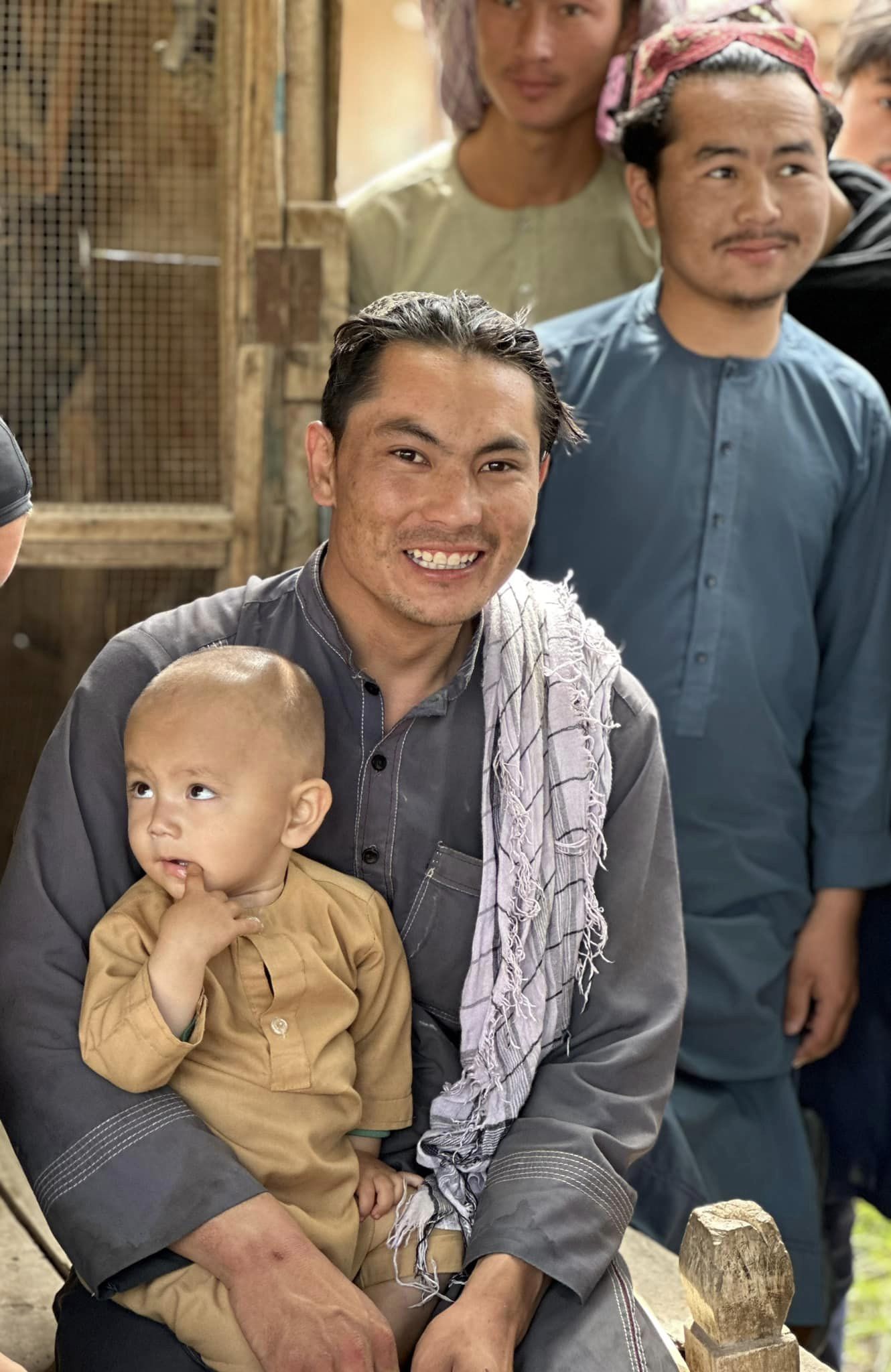
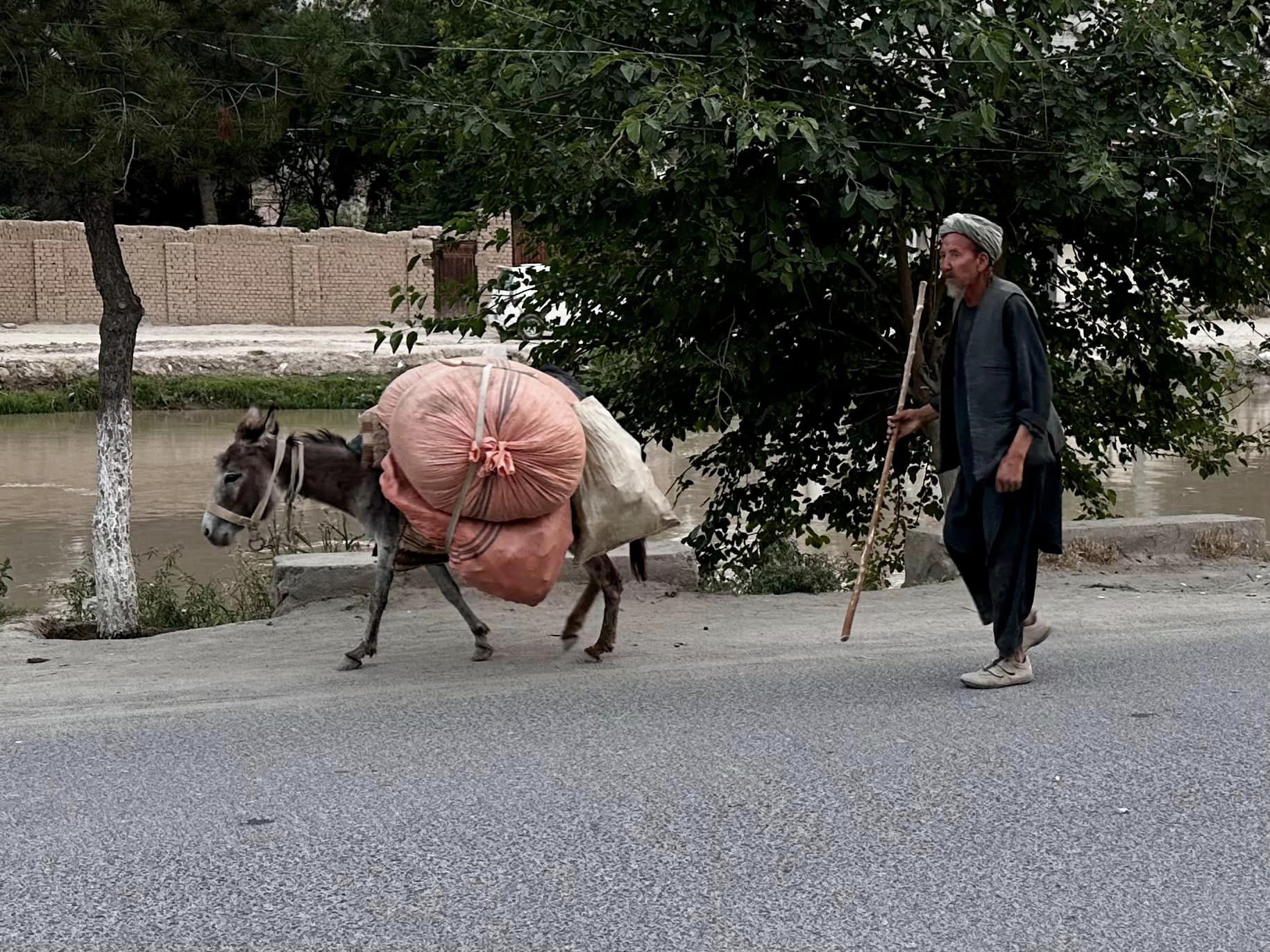
At the entrance to the city we stopped to get something to eat right by the roadside. I had no sooner bought some tomatoes than we were surrounded by a huge crowd of people, about 30 people. They were asking something in their own language, touching the motorcycles, smiling.
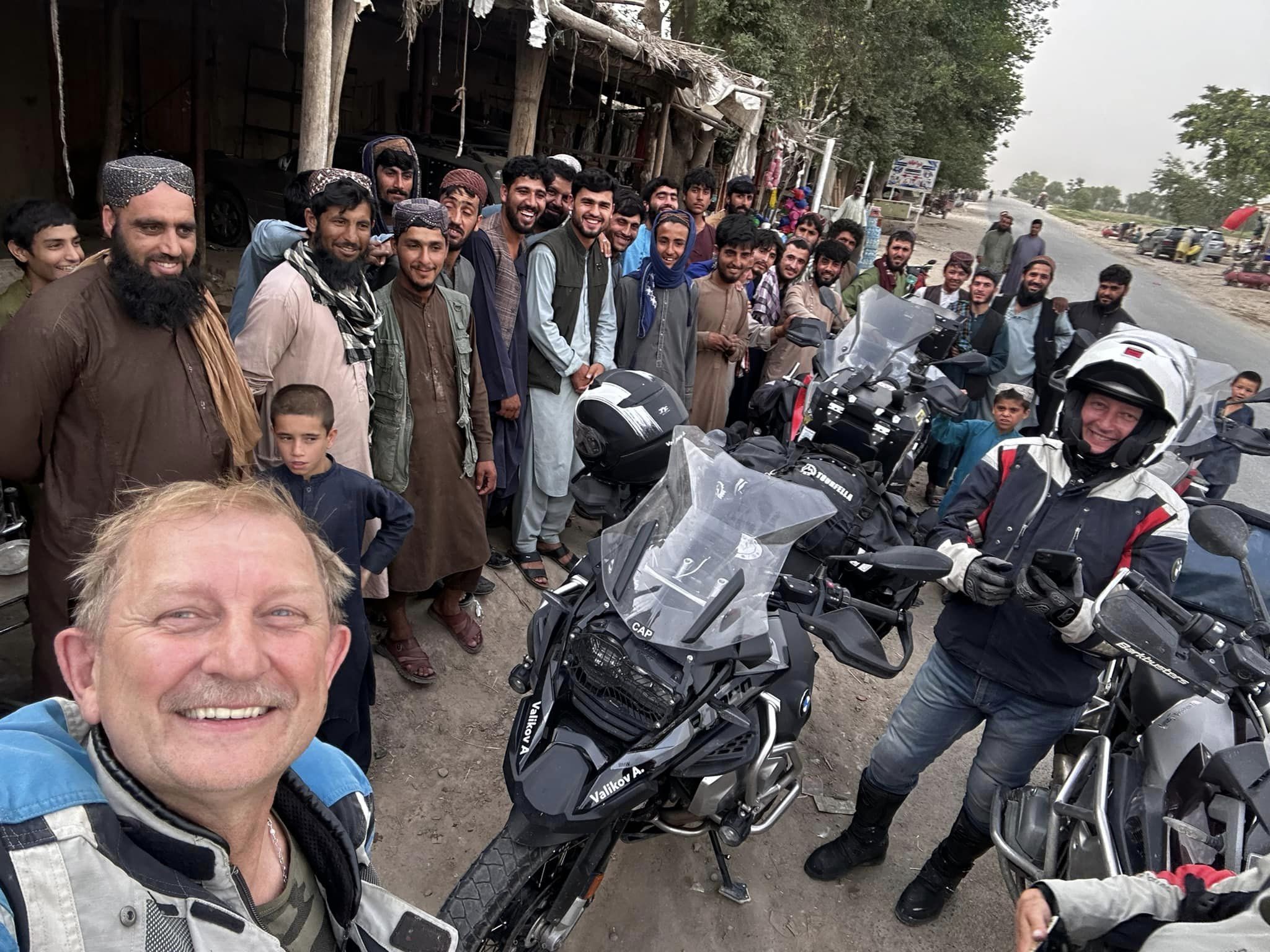
For them, we were like aliens. And it was the same every time we stopped - after a couple of minutes we were surrounded by curious men of all ages.
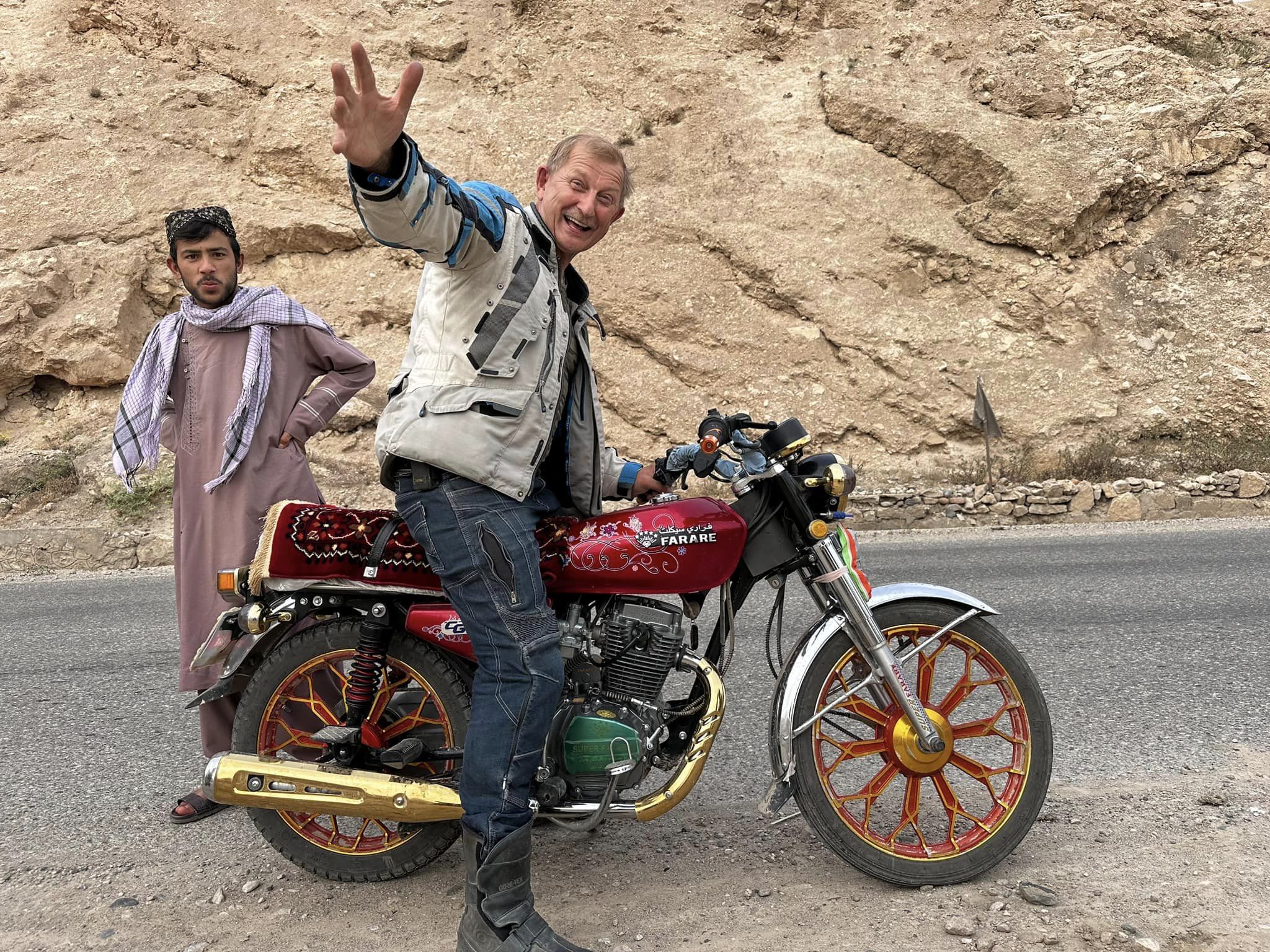
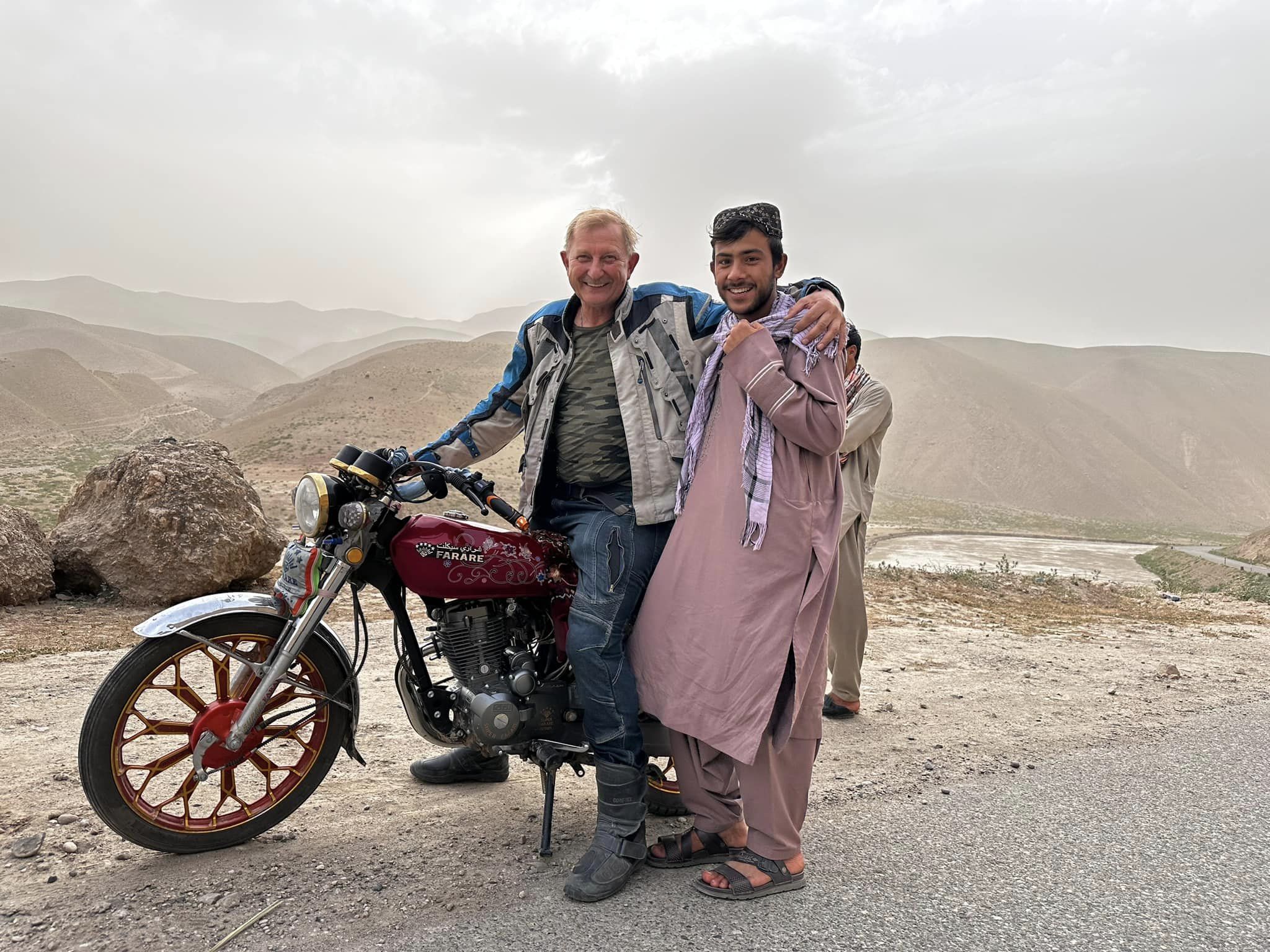
At the Department of Tourism we were met quite friendly, invited to the director's office, we chatted through google translator and he asked to be interviewed for local television about our impressions of Afghanistan.
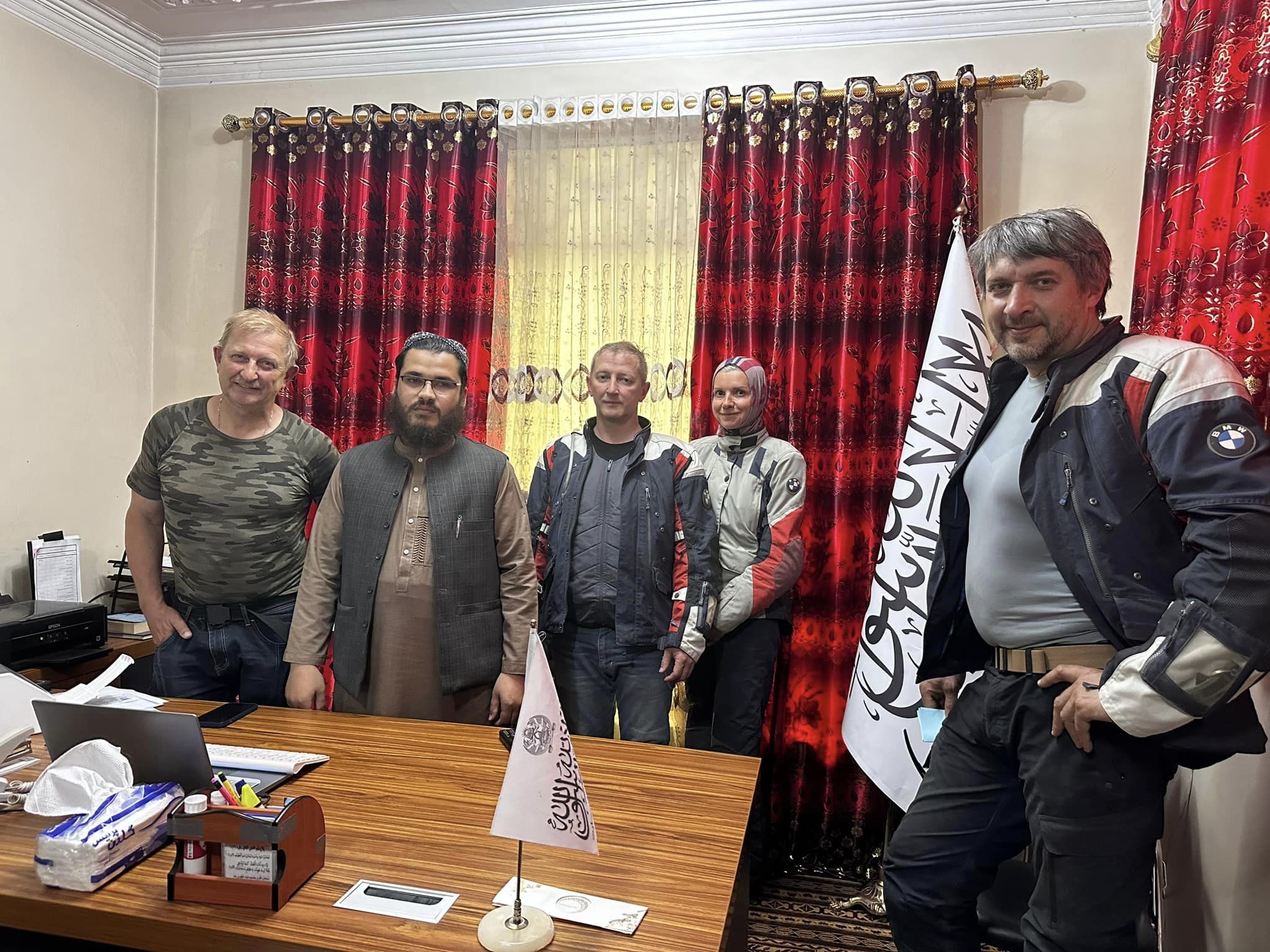
It was impossible to refuse. ))
We reached the next town where we decided to stop for the night, Puli Khumri, at the end of the day.
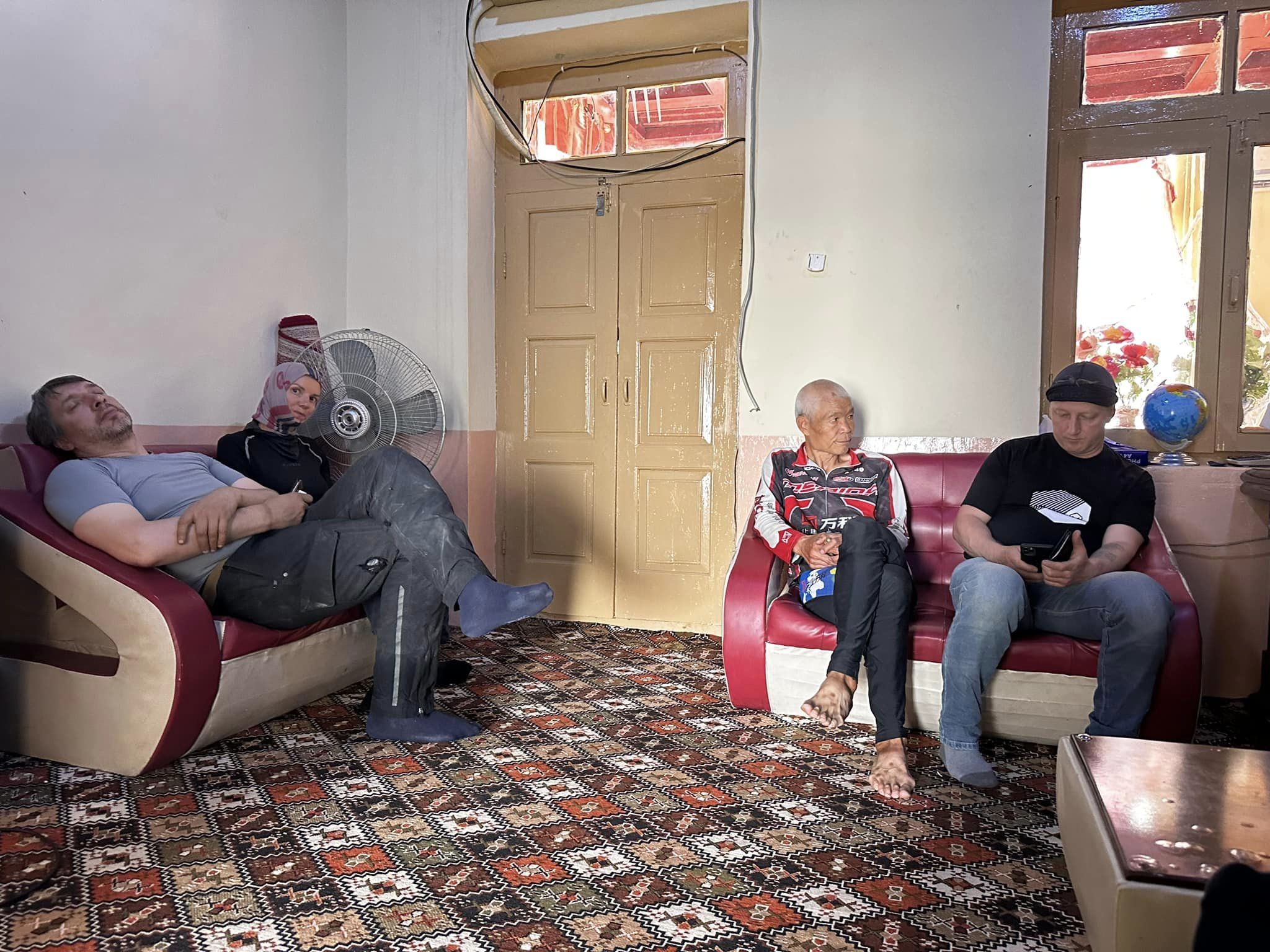
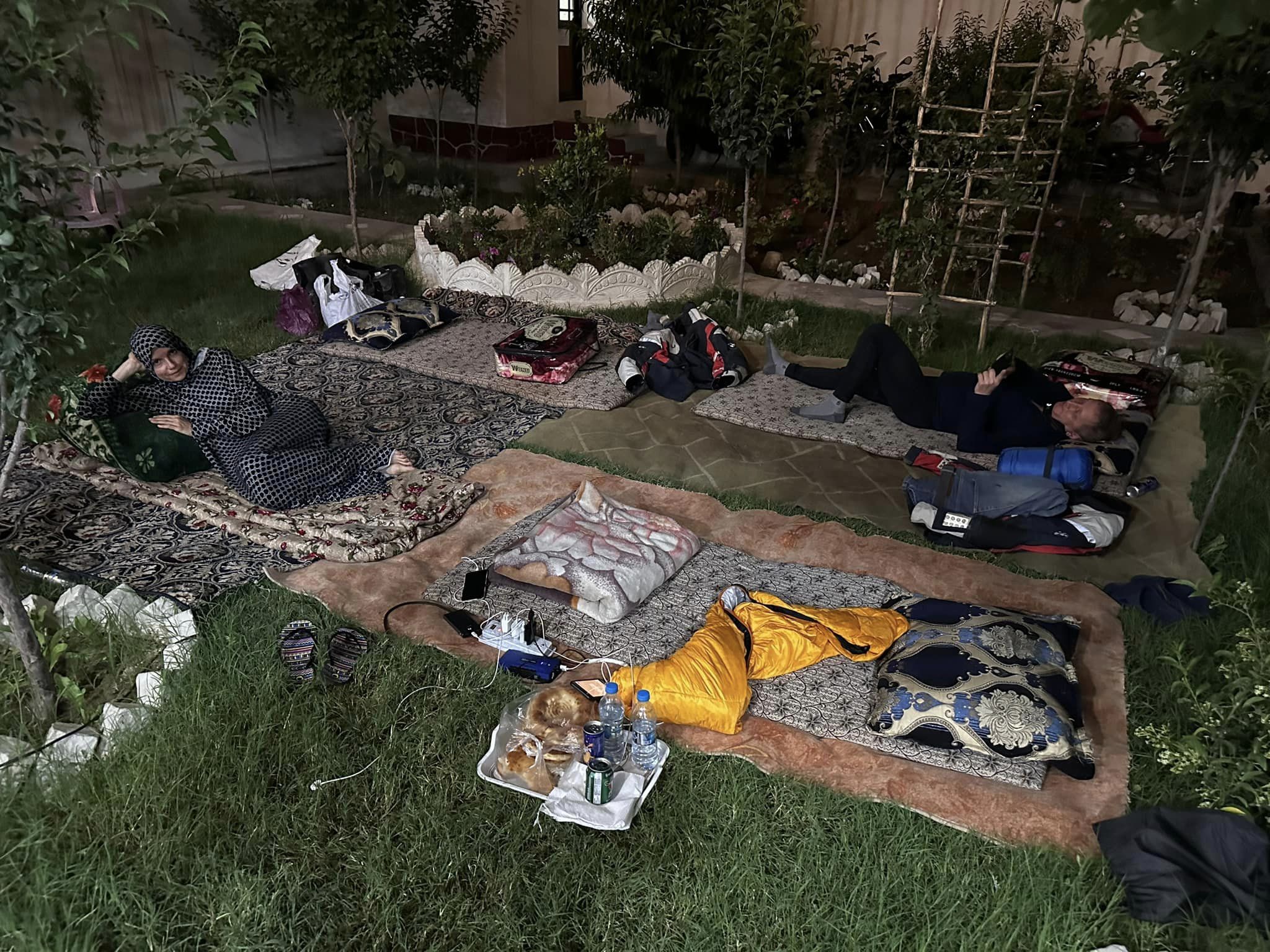
But there were no hotels here and after a long search in one guesthouse we were offered to sleep in the yard on the lawn. They promised to bring carpets and blankets.
Since there was no choice, I had to agree, fortunately, the nights were warm and it was not going to rain.
Salang.
The Salang Pass is a vital transportation artery in Afghanistan, passing at an altitude of about 4,000 meters through the Hindu Kush mountain range and connecting the north and south of the country.
Afghanistan has almost no industry, no factories or mills. Everything necessary for life, from a needle to an automobile, is imported from other countries, and if a few of these arteries were cut off, Afghanistan would plunge into the darkness of the Middle Ages, which, in fact, it is partly in now.
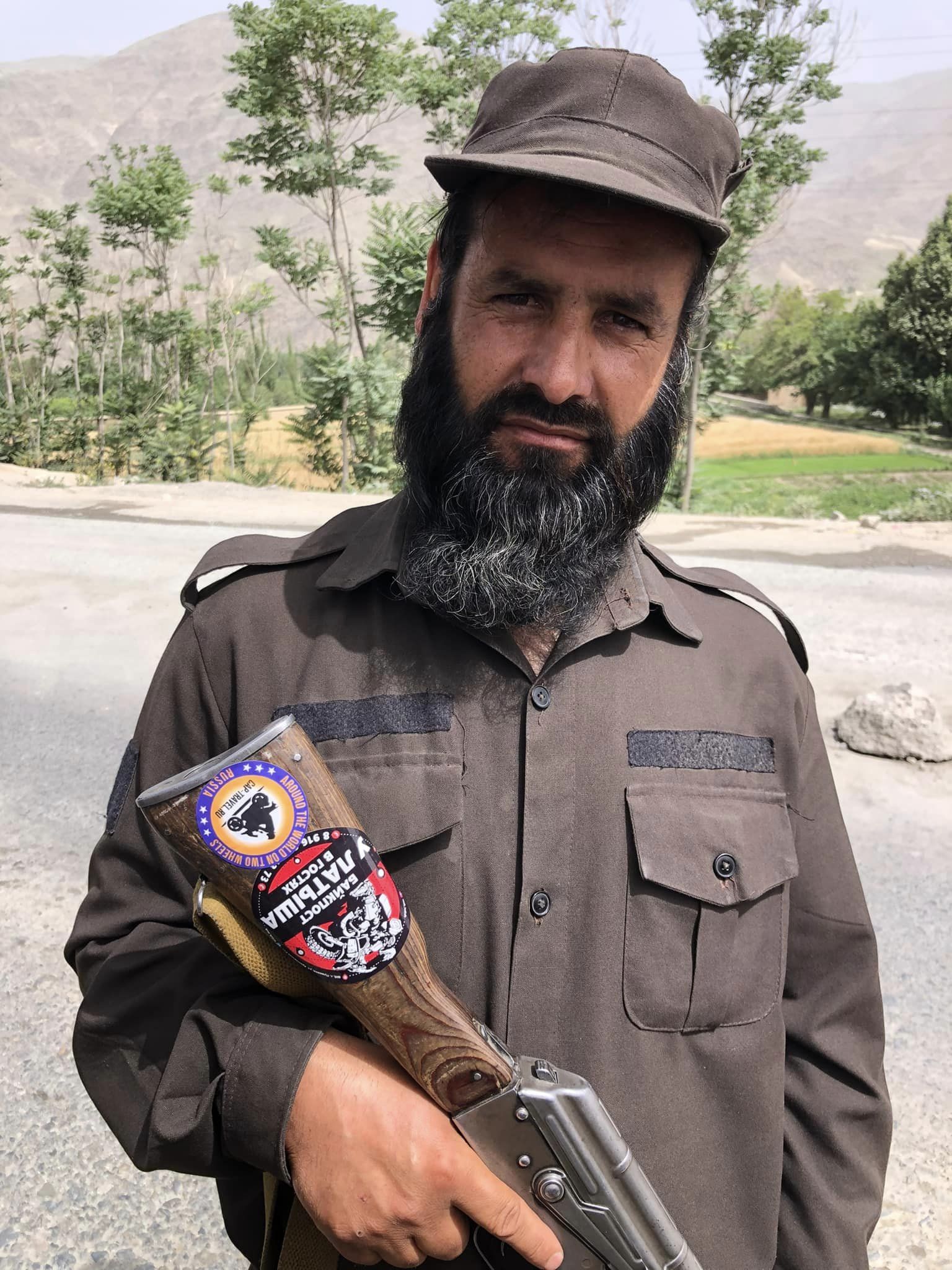
From Puli Khumri to Kabul is only 230 kilometers, but we drove these two hundred and nine hours! Of course, a lot of time is spent communicating with the guys at checkpoints. Sometimes the distance between them is 1-2 km, and still at each one you have to stop and talk to bearded men in sandals with AK-47s.
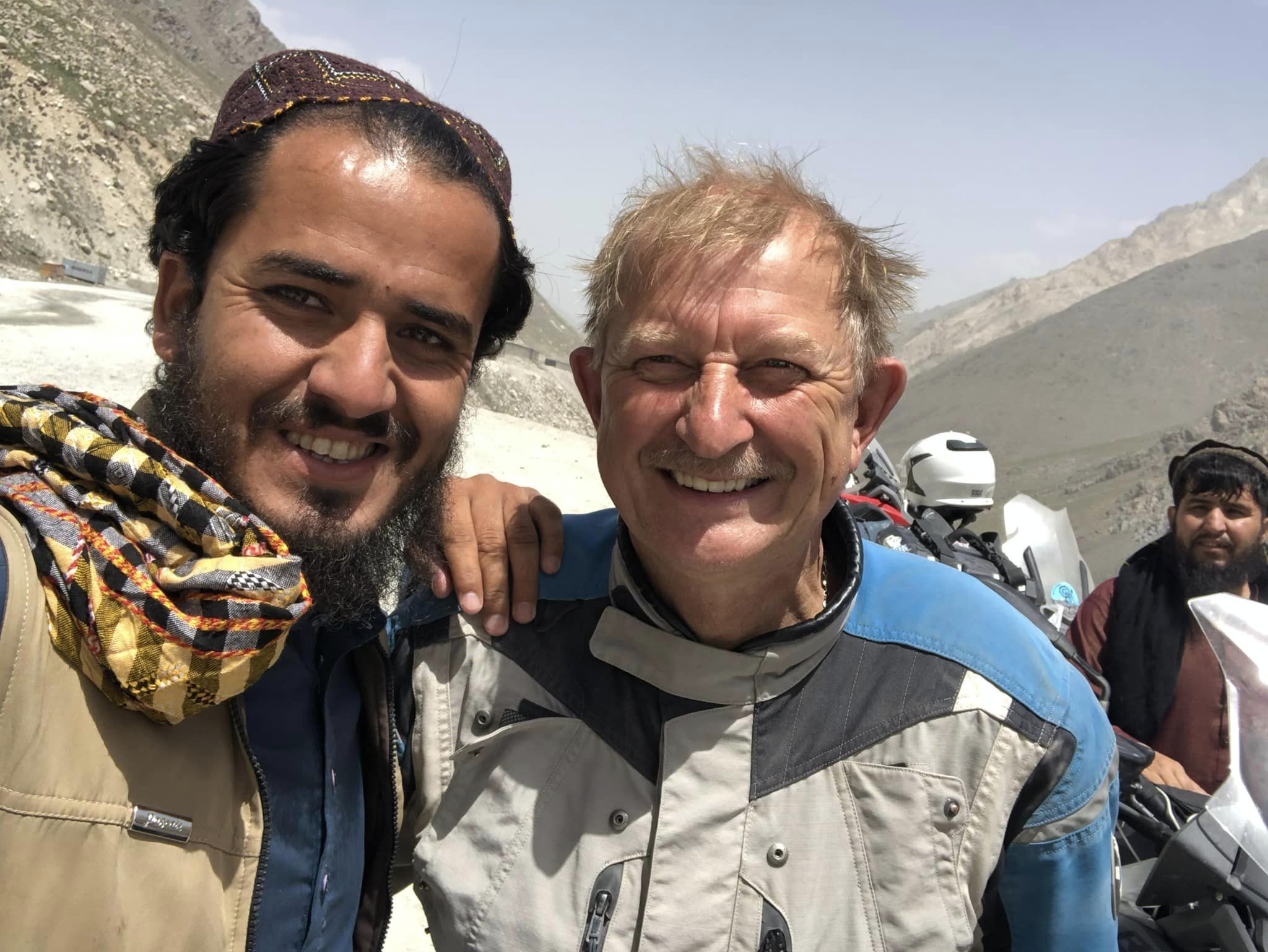
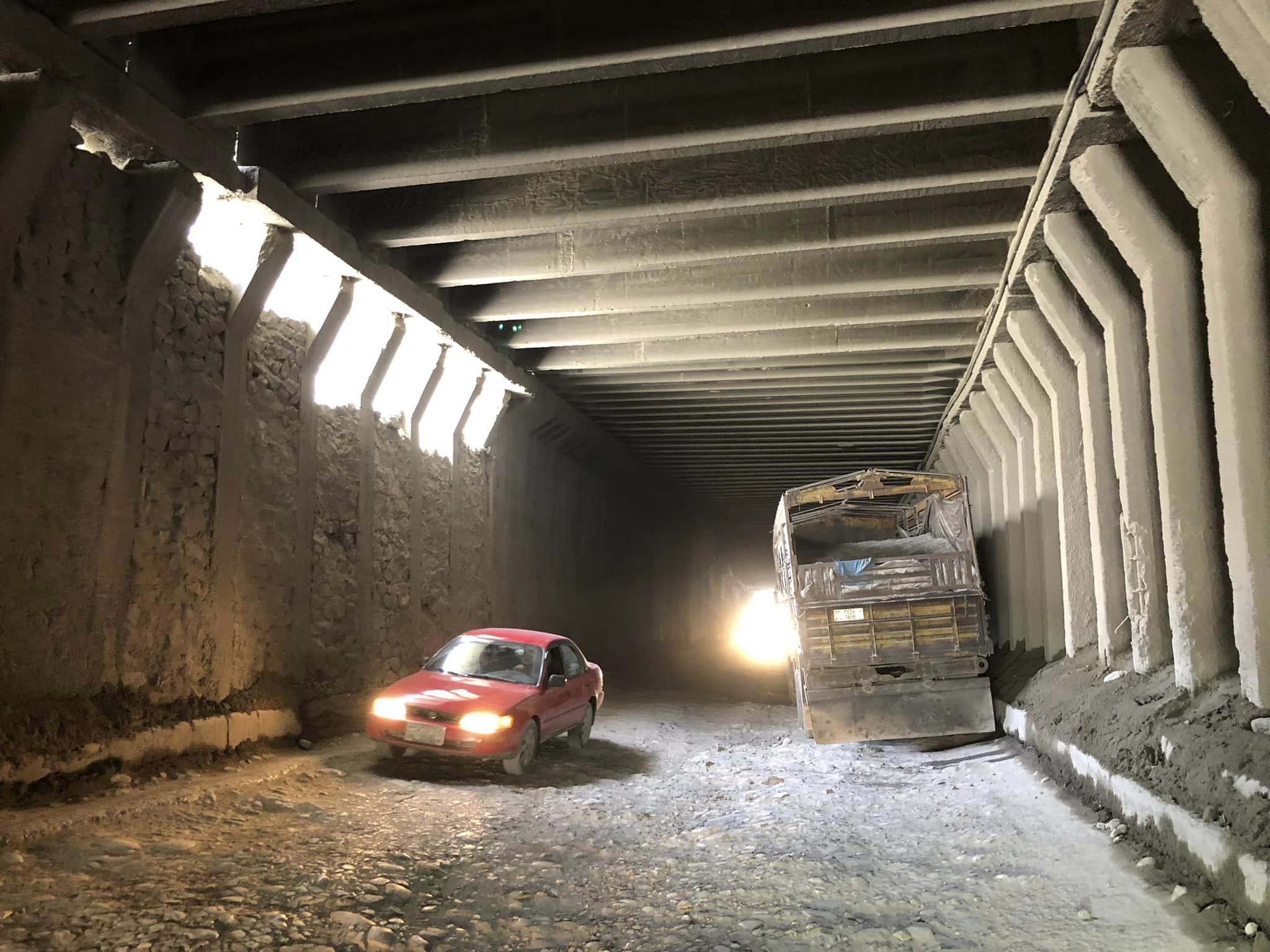
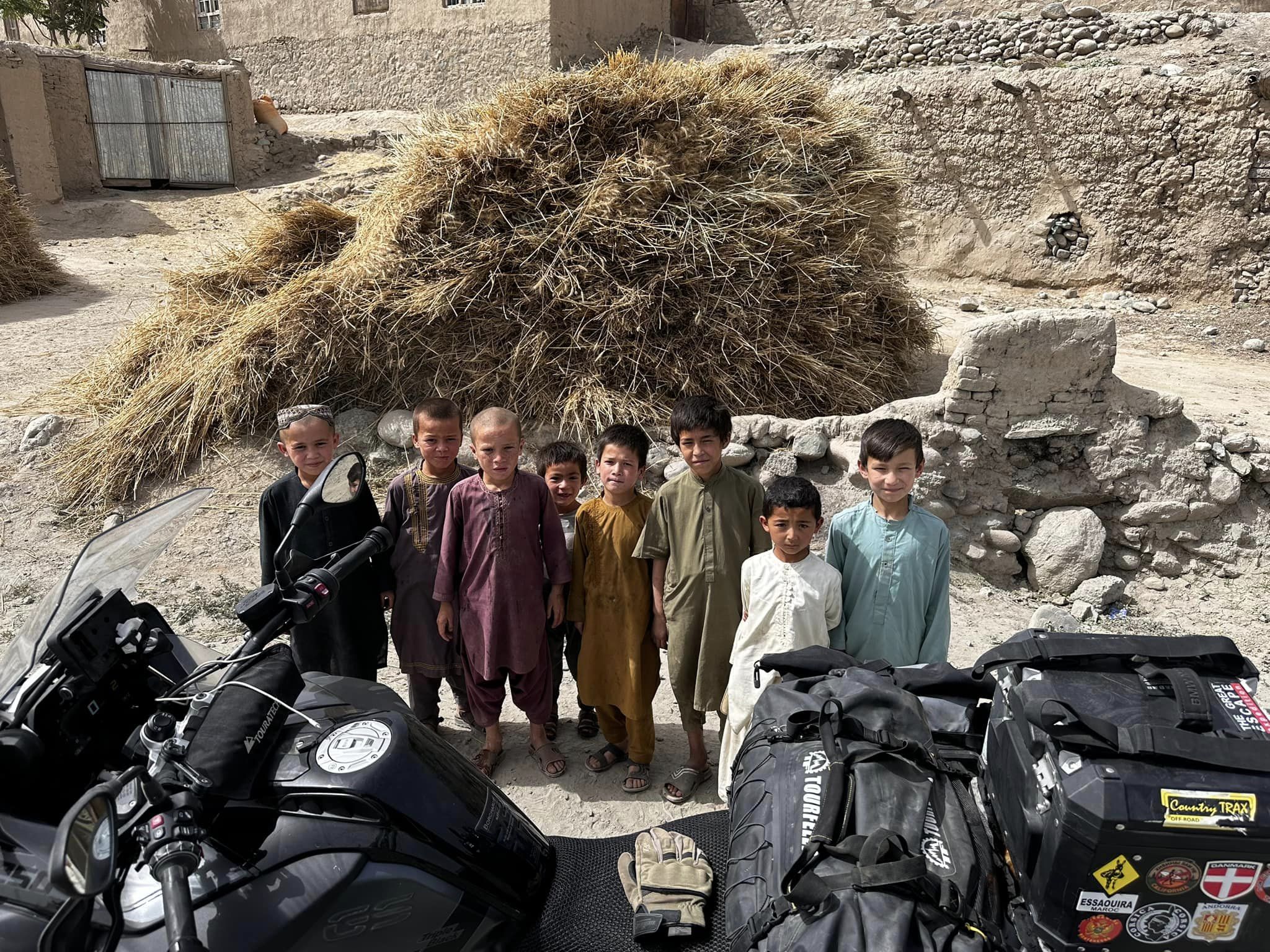
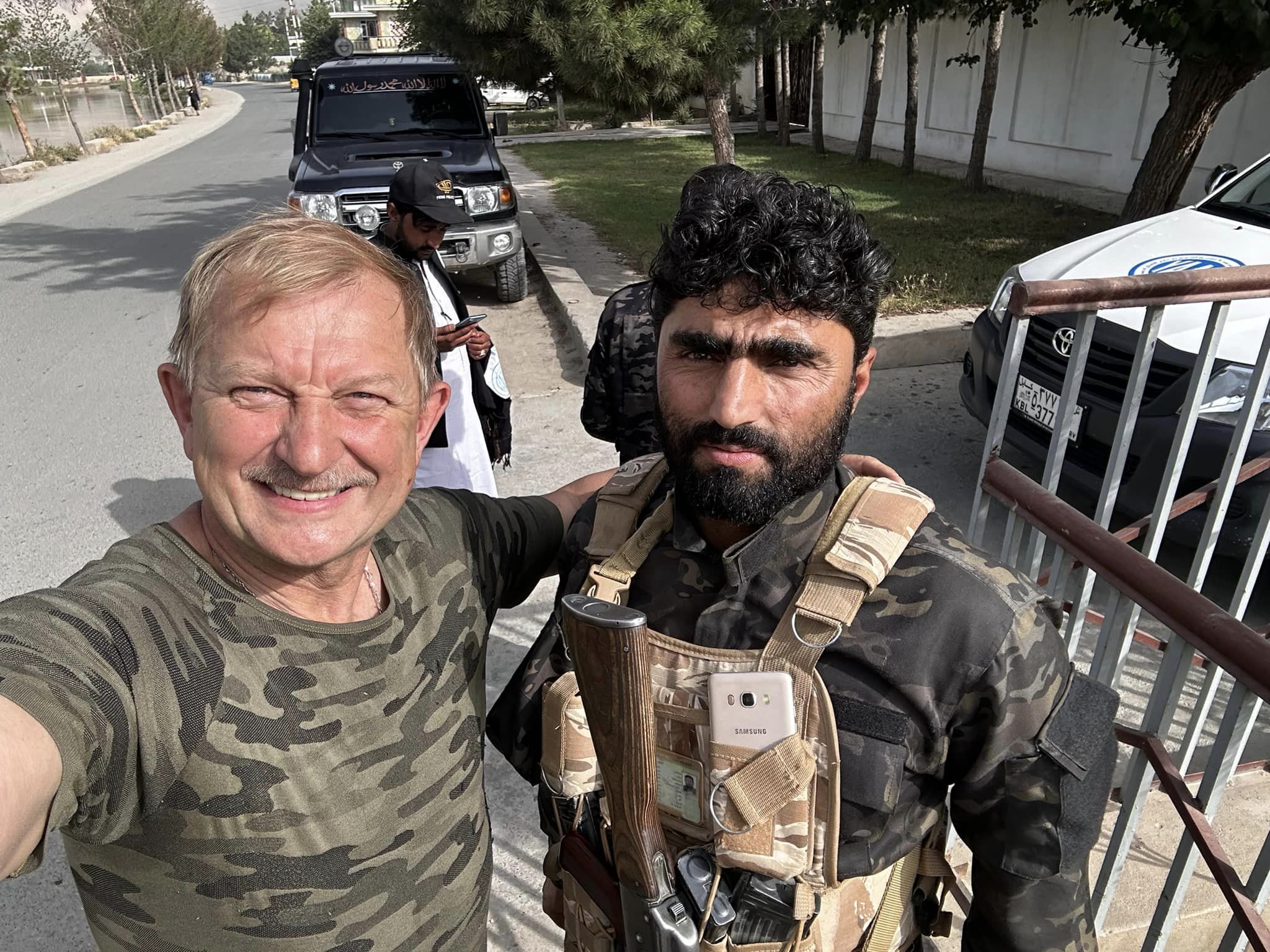
Most of them are illiterate and can't even read, but they like to talk, gesturing at a motorcycle, passport and asking questions in Pashto or Dari.
But the main problem of slow movement is the terrible condition of the road. There is no coating, just rocks, sand and dust. In the rain, the dust turns into dirt. And to all this, there is also dense traffic and an endless string of trucks, tank cars, huge buses and small trucks.
This whole endless caravan, loaded to the brim with goods, slowly crawls to a height of more than three kilometers and then drags along the serpentines, raising clouds of dust. Squeezing between the trucks, we reached the top, through which several long tunnels pass. The views of the snow-capped peaks are certainly fantastic!
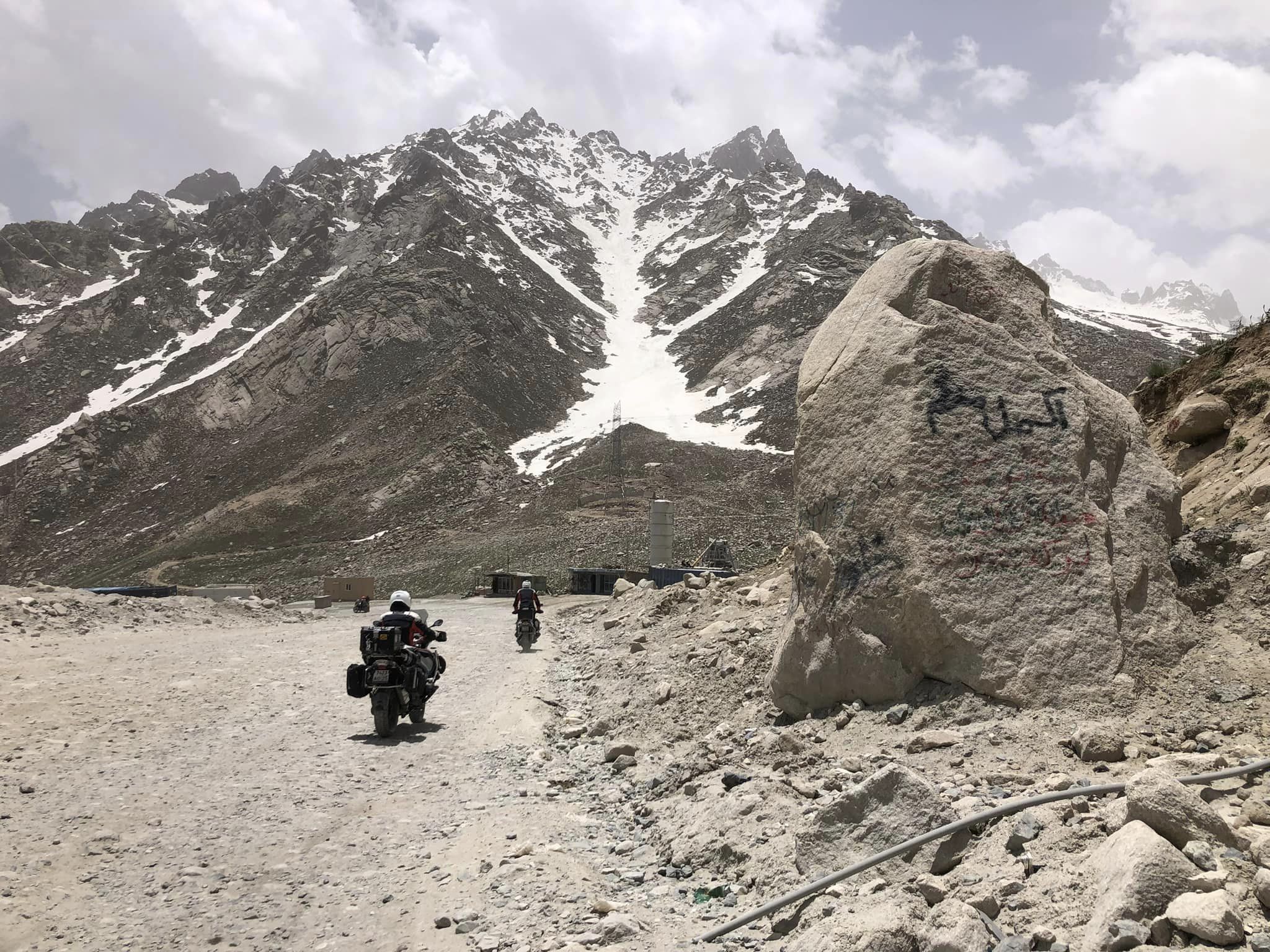
Salang will be remembered for a lifetime as one of the most picturesque, unusual and colorful passes.
Mind blowing!
As well as the whole of Afghanistan.
Kabul.
We drove into Afghanistan's capital, a six-million-strong eastern metropolis, at 5 p.m. and spent another hour slogging through horrendous traffic jams to our downtown hotel
I didn't like Kabul.
The traffic in the city is a mess, whoever wants to drive the way he wants to drive - on the side of the road, in the oncoming lane, along and across. The situation is aggravated by street trading.
Kabul is a huge market or bazaar. There are whole streets where, right on the sidewalks and even on the roadway, everything is packed with vendors selling vegetables, rags, and anything else.
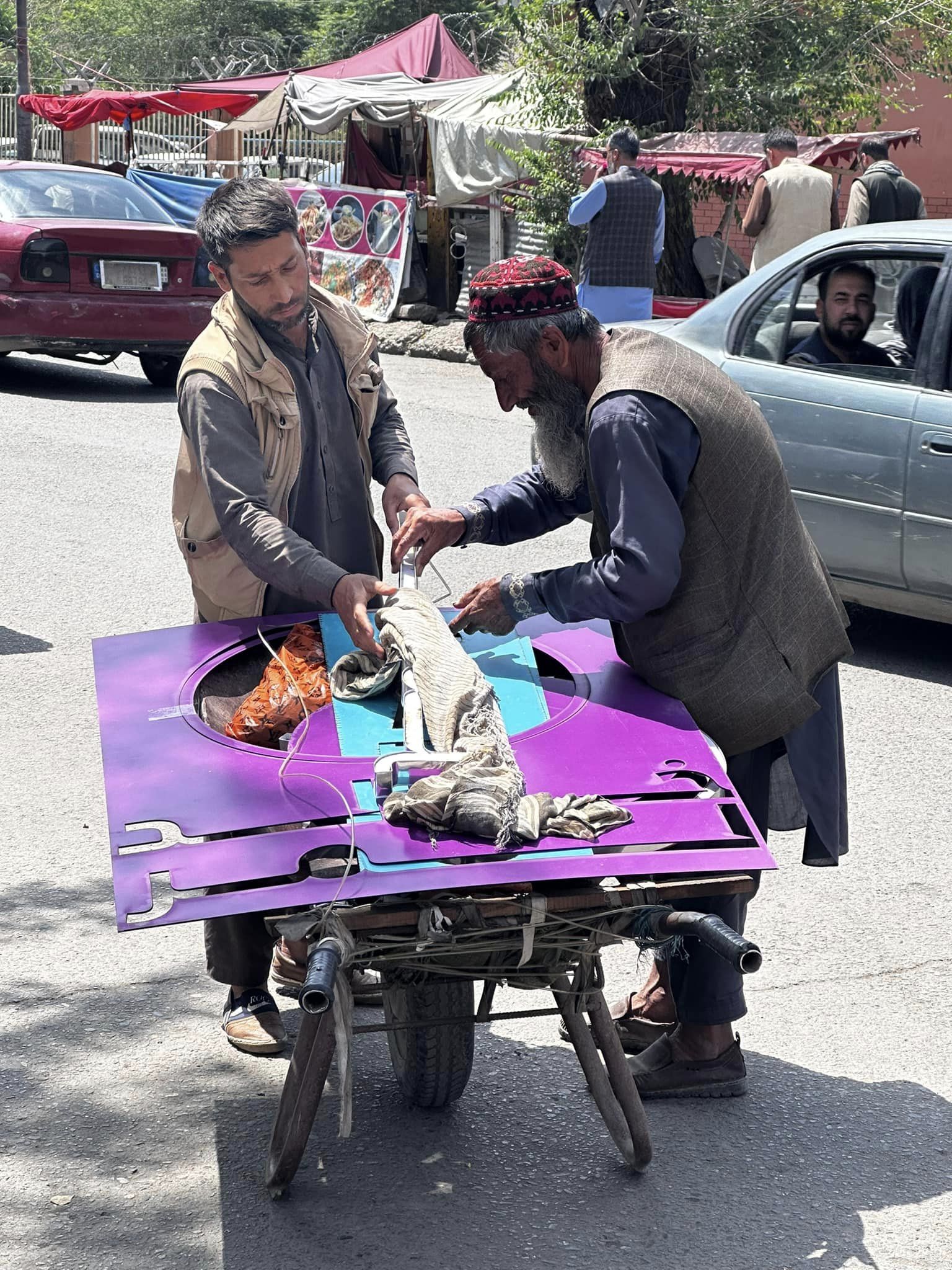
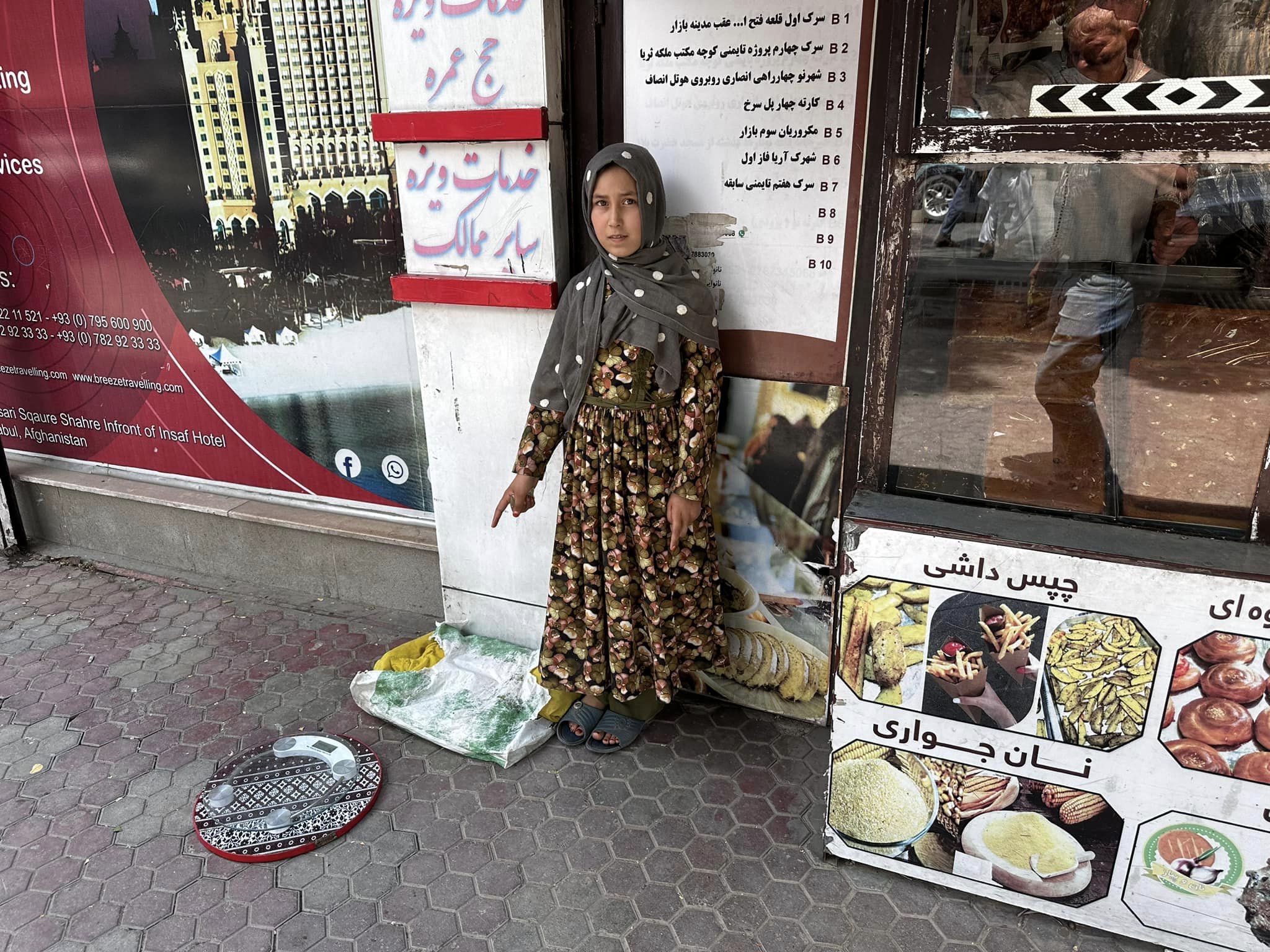
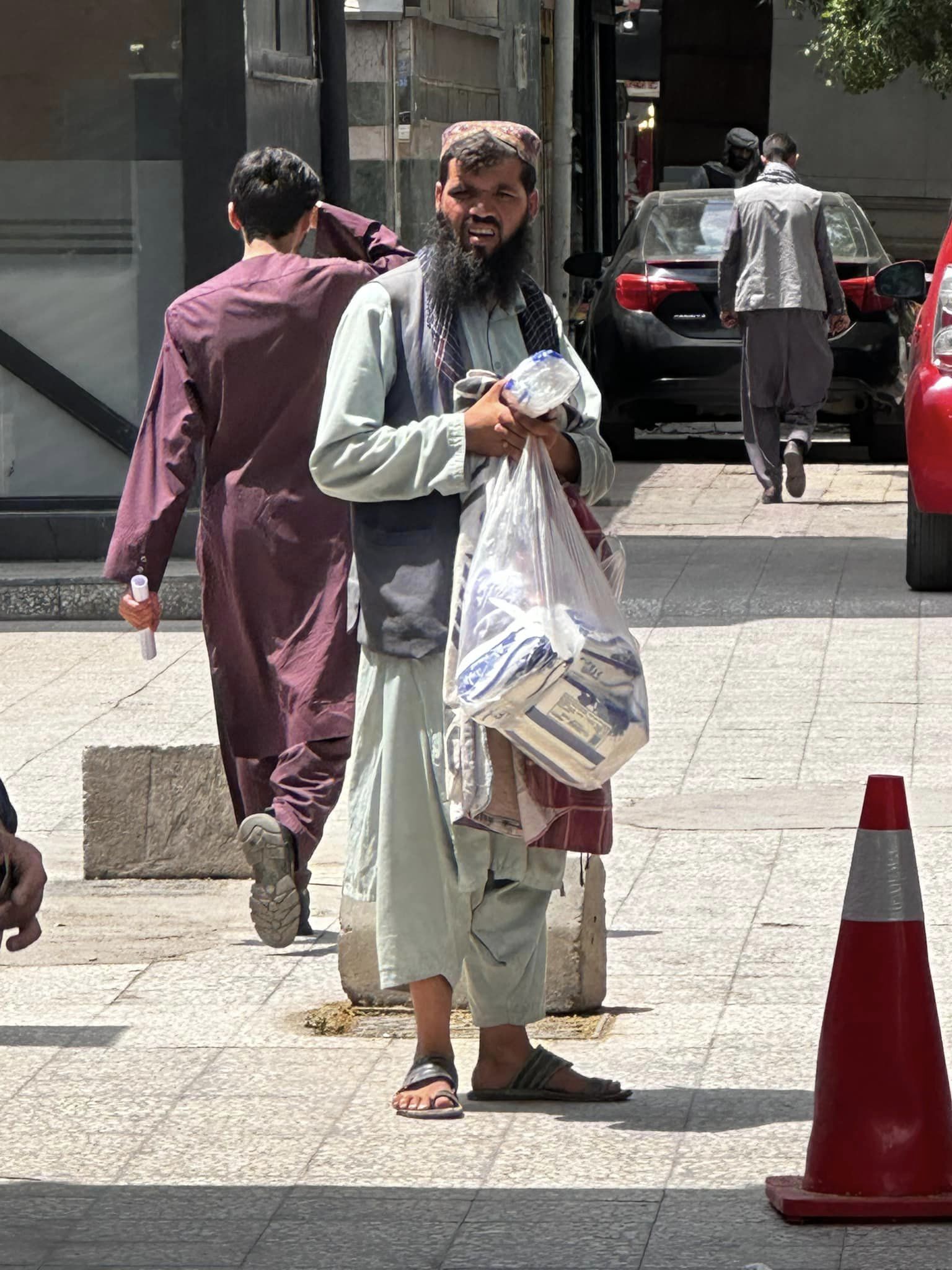
Most of the cars are ancient Japanese junk without license plates. I did not see Afghan traffic police once during all these days, except for regulators at the craziest intersections in Kabul, where they tried to somehow distribute the flow of cars
The city's not very clean. Well, that's okay, Paris isn't much better either.
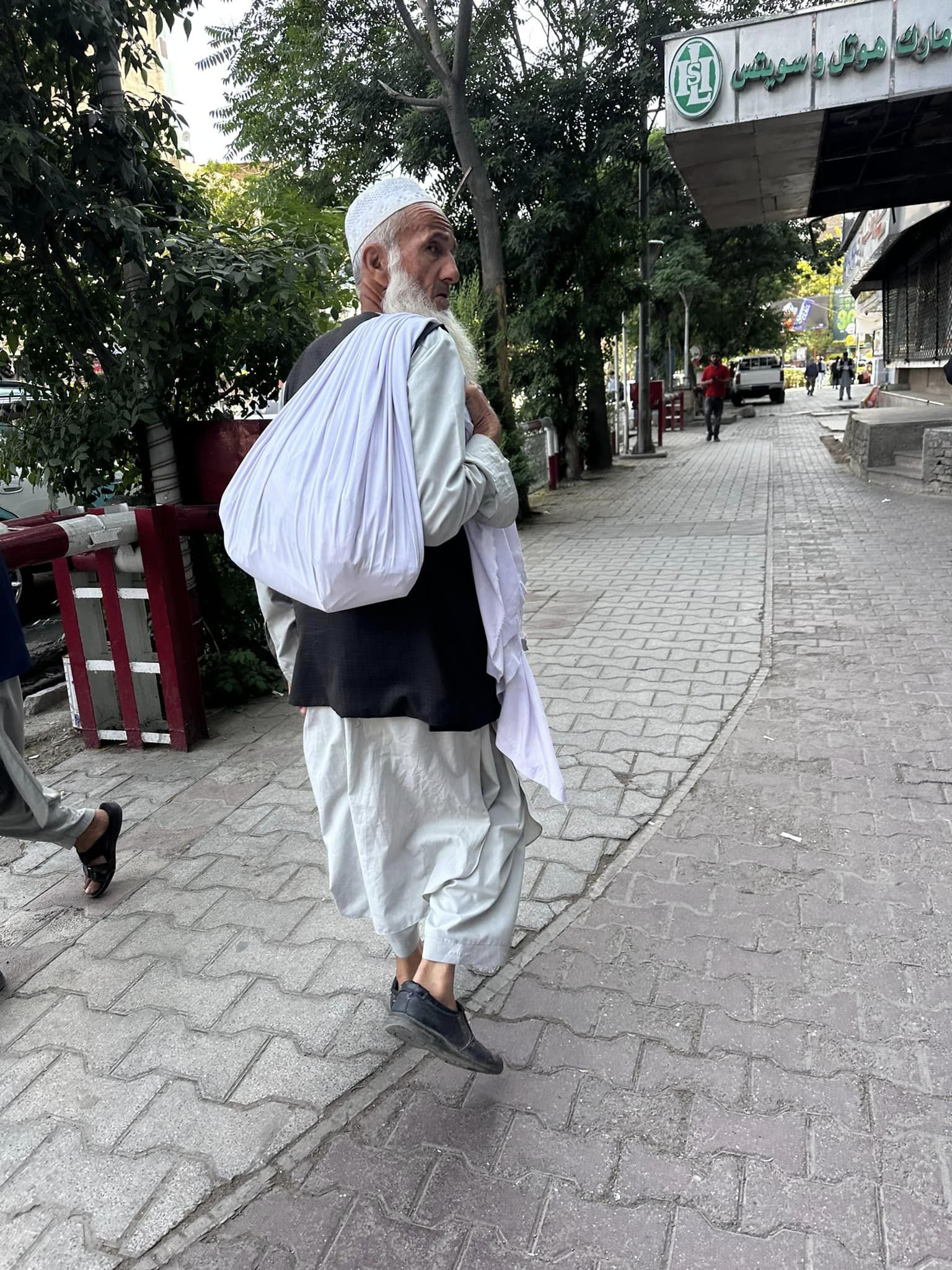
There are a few relatively modern shopping centers, restaurants and cafes in the center of Kabul. Mostly Turkish.
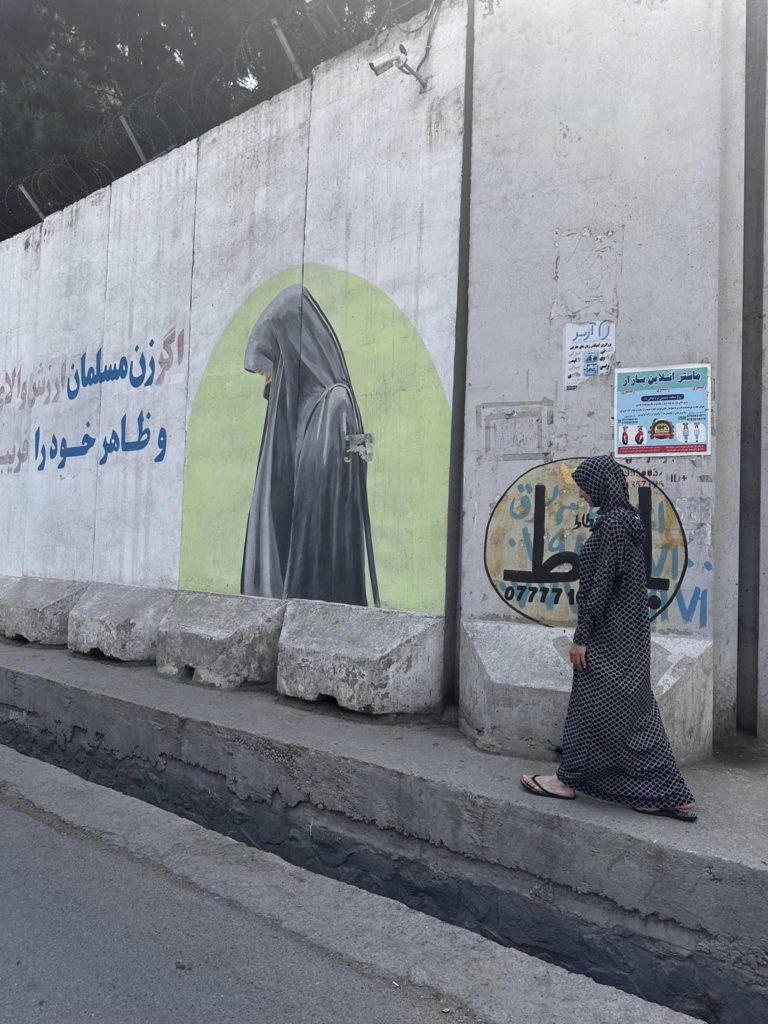
In the morning we walked around the city, Luda in a long dress and scarf, and we in jeans and T-shirt as usual. There are no security problems, and we've already gotten used to people with machine guns.
Bamiyan.
We left Kabul at about 12:00 and an hour later we got caught in a heavy rain with hail. We hid under the awning of a gas station and immediately bearded men in black came up to us. The older of them asked for documents, inquired where we were going and so on, well, as usual. But then he said that we should wait for a while, about five minutes, and started calling somewhere. In the end, the five minutes stretched into half an hour and it turned out that he had called a police pickup truck with armed men to escort us to the provincial border. For our safety. So from there on we drove like VIPs with personal guards.
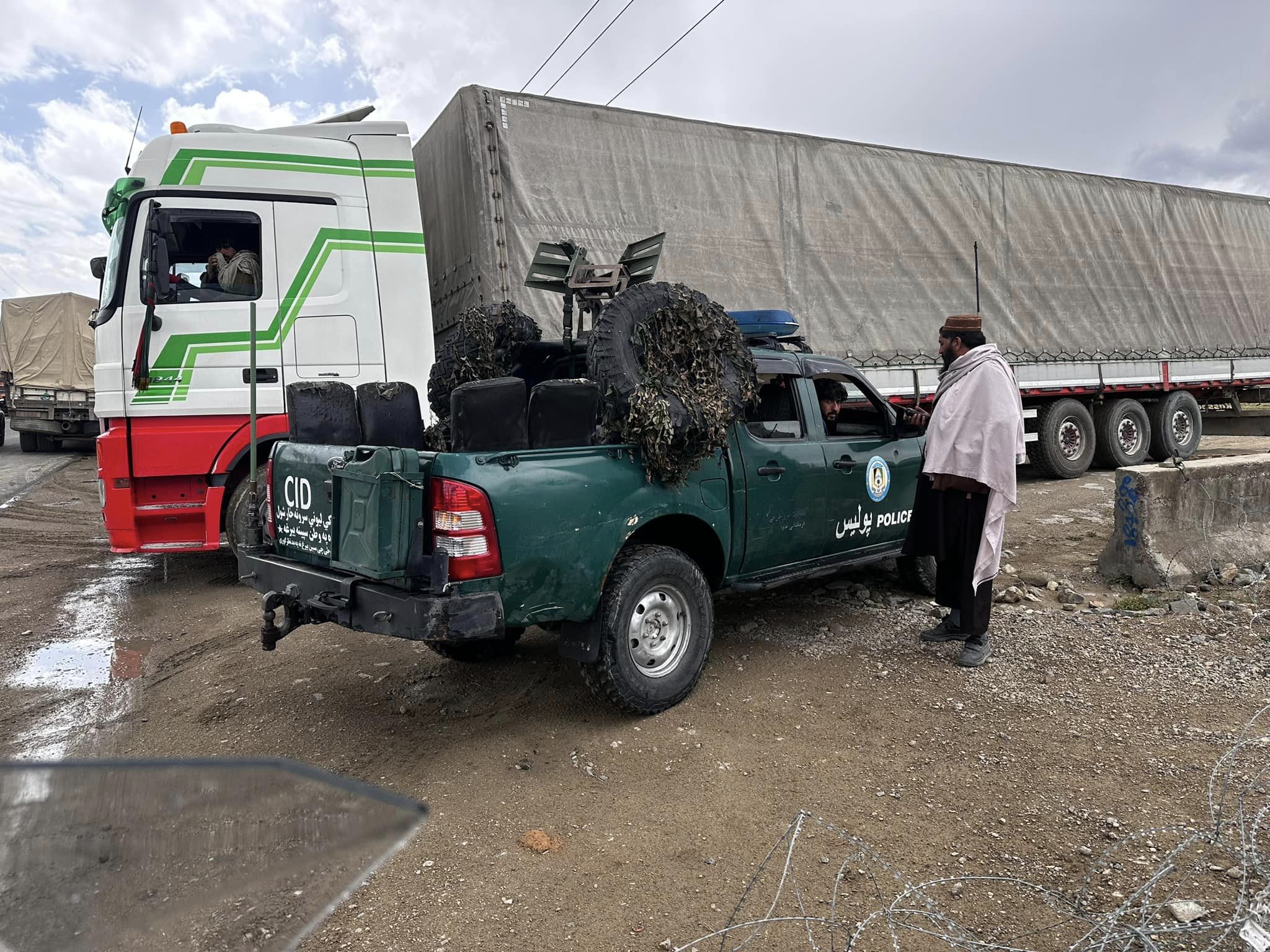
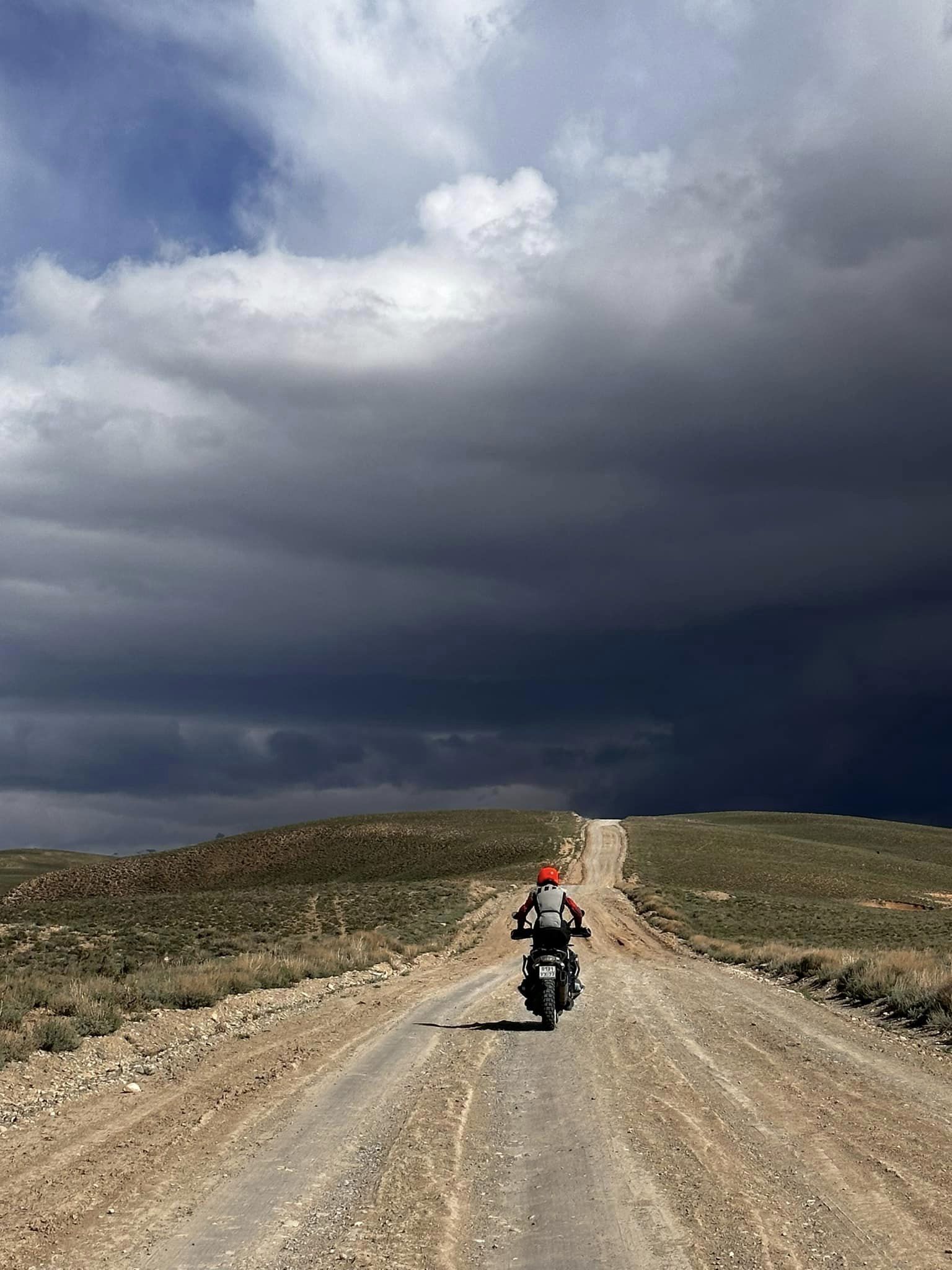
At the border with the province of Bamiyan they let us go and the remaining hundred kilometers we drove on a beautiful highway at an altitude of more than 3000 meters. It was cool, the temperature had dropped to 8 degrees, and the snow-capped peaks of five thousand meters appeared again on the left and right. But unlike Salang, this was an almost perfect half-empty highway with fantastic views.
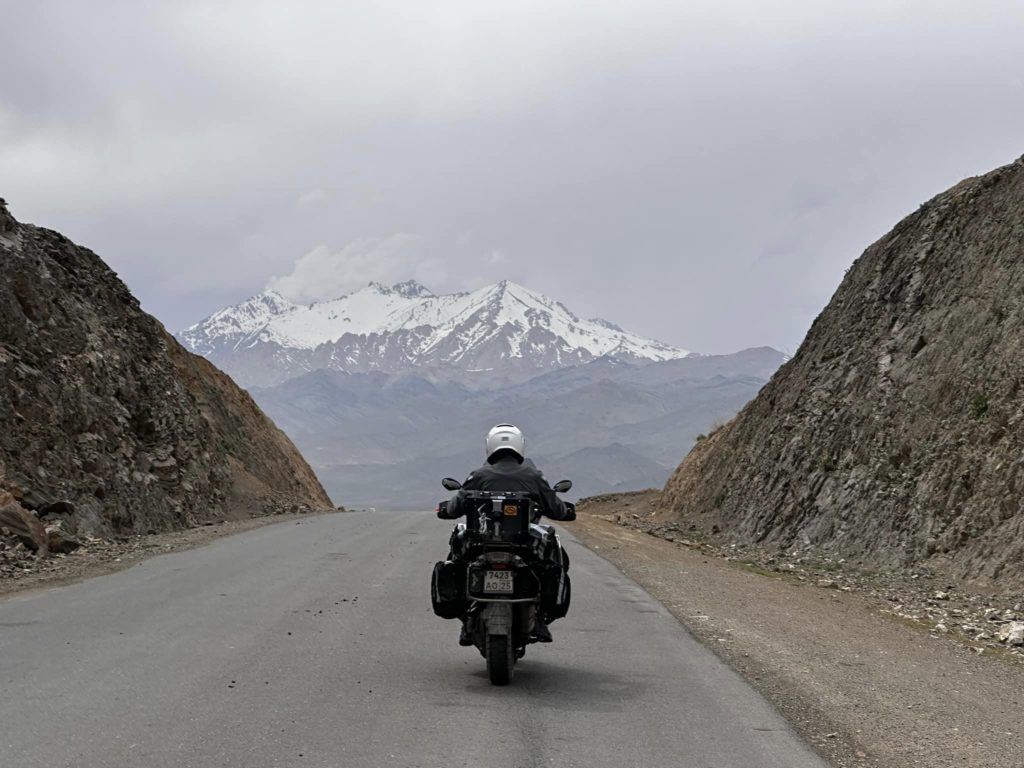
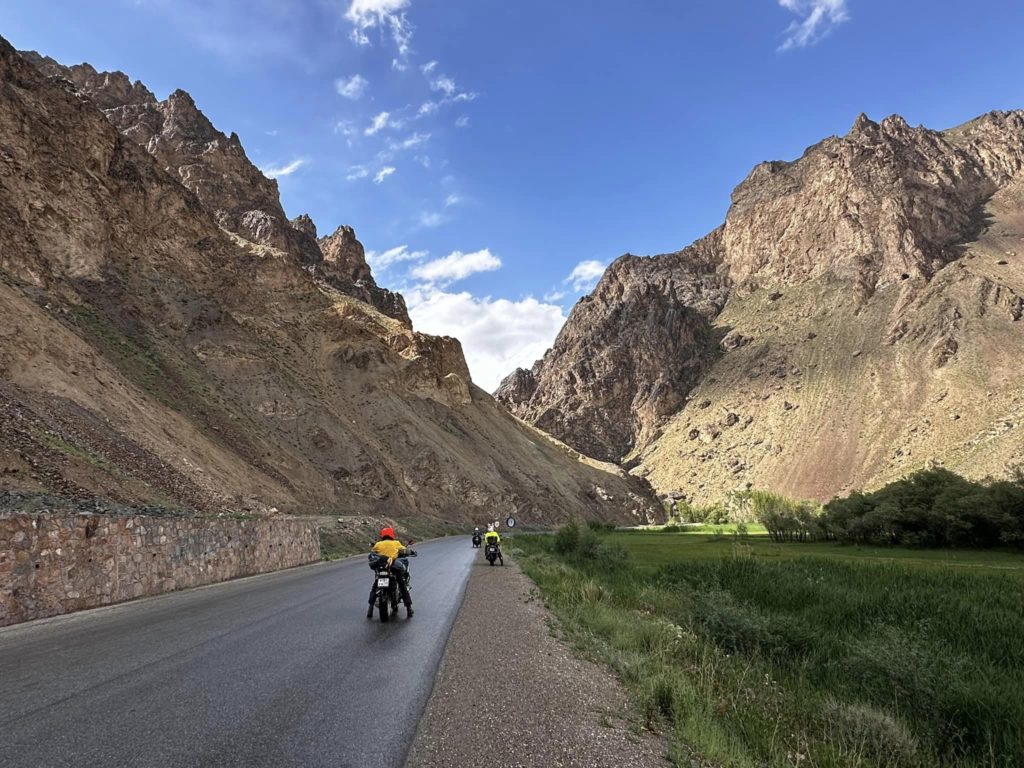
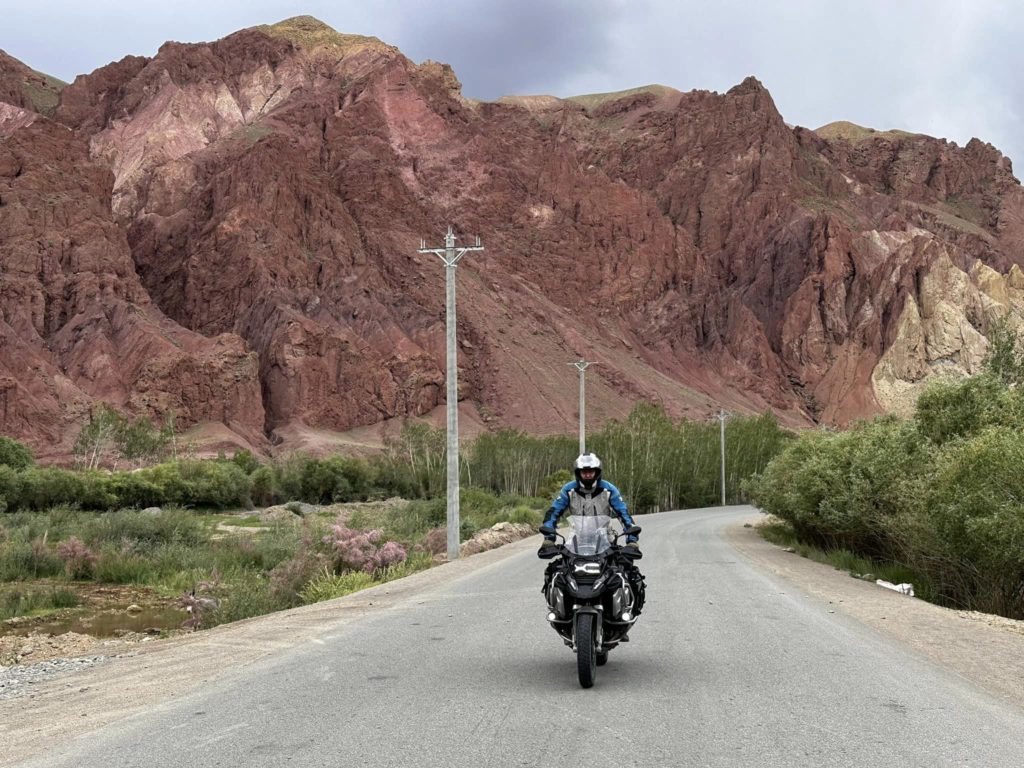
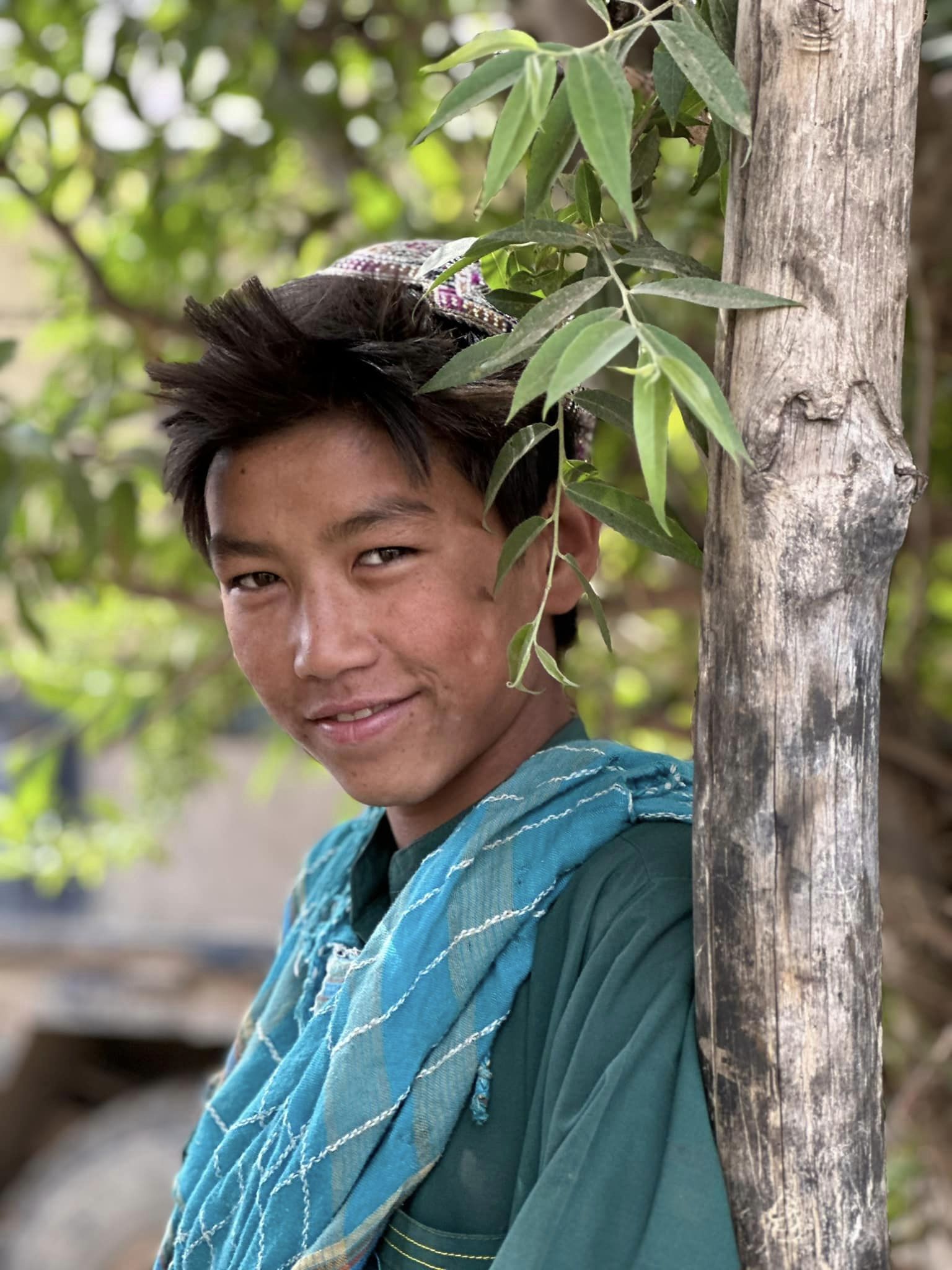
It's like we've moved to another country. Even the people are different in appearance and nationality.
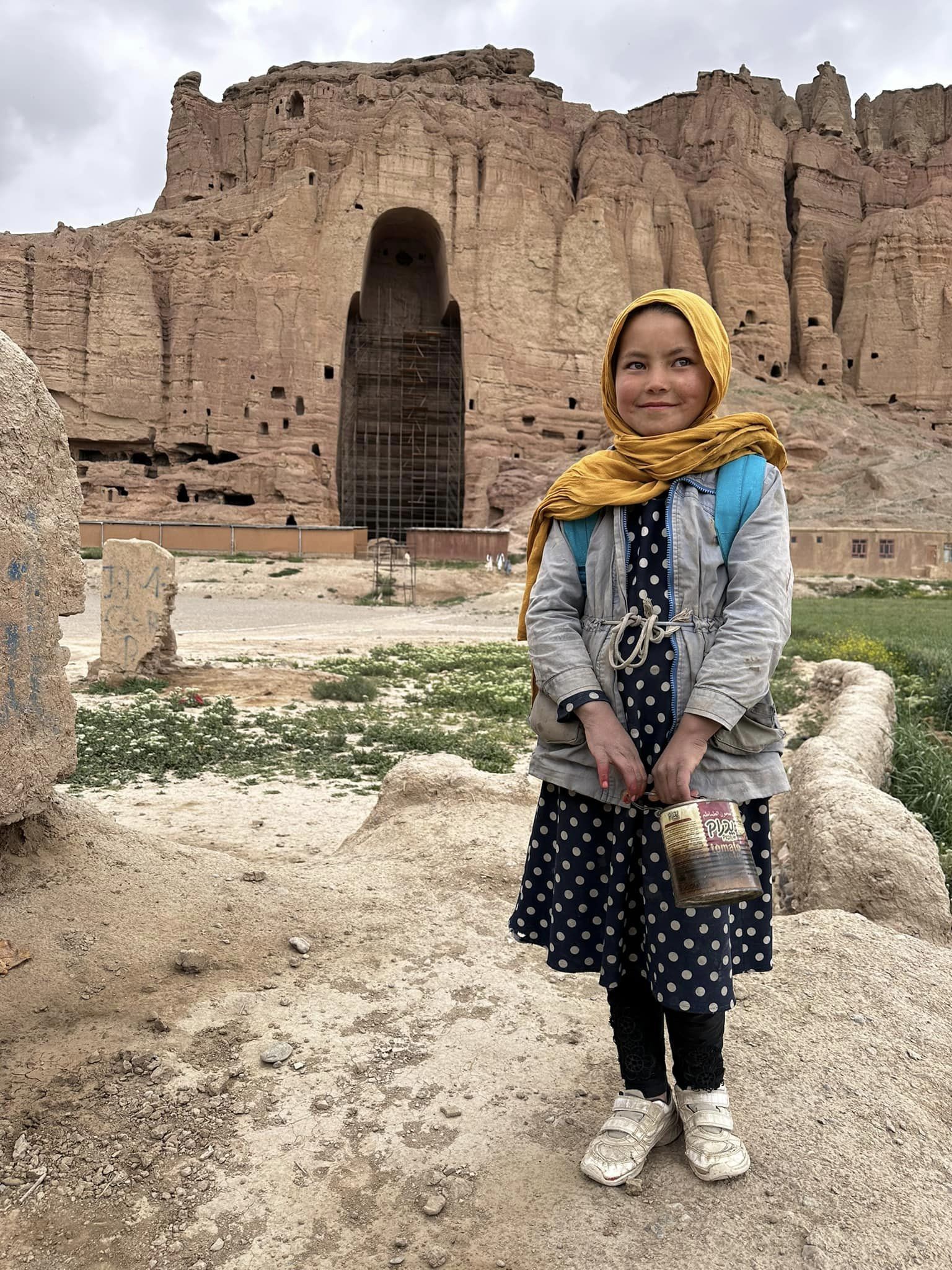
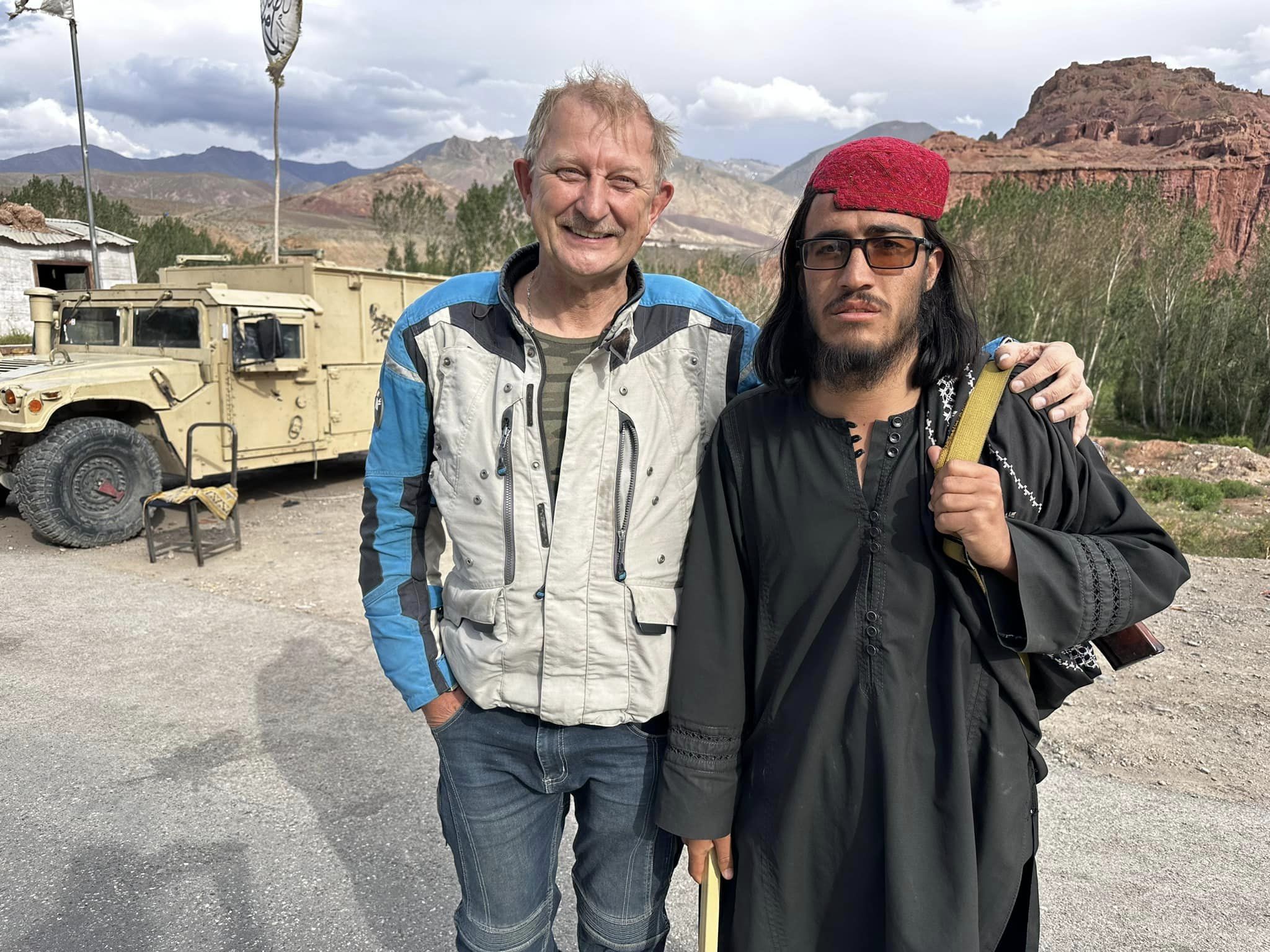
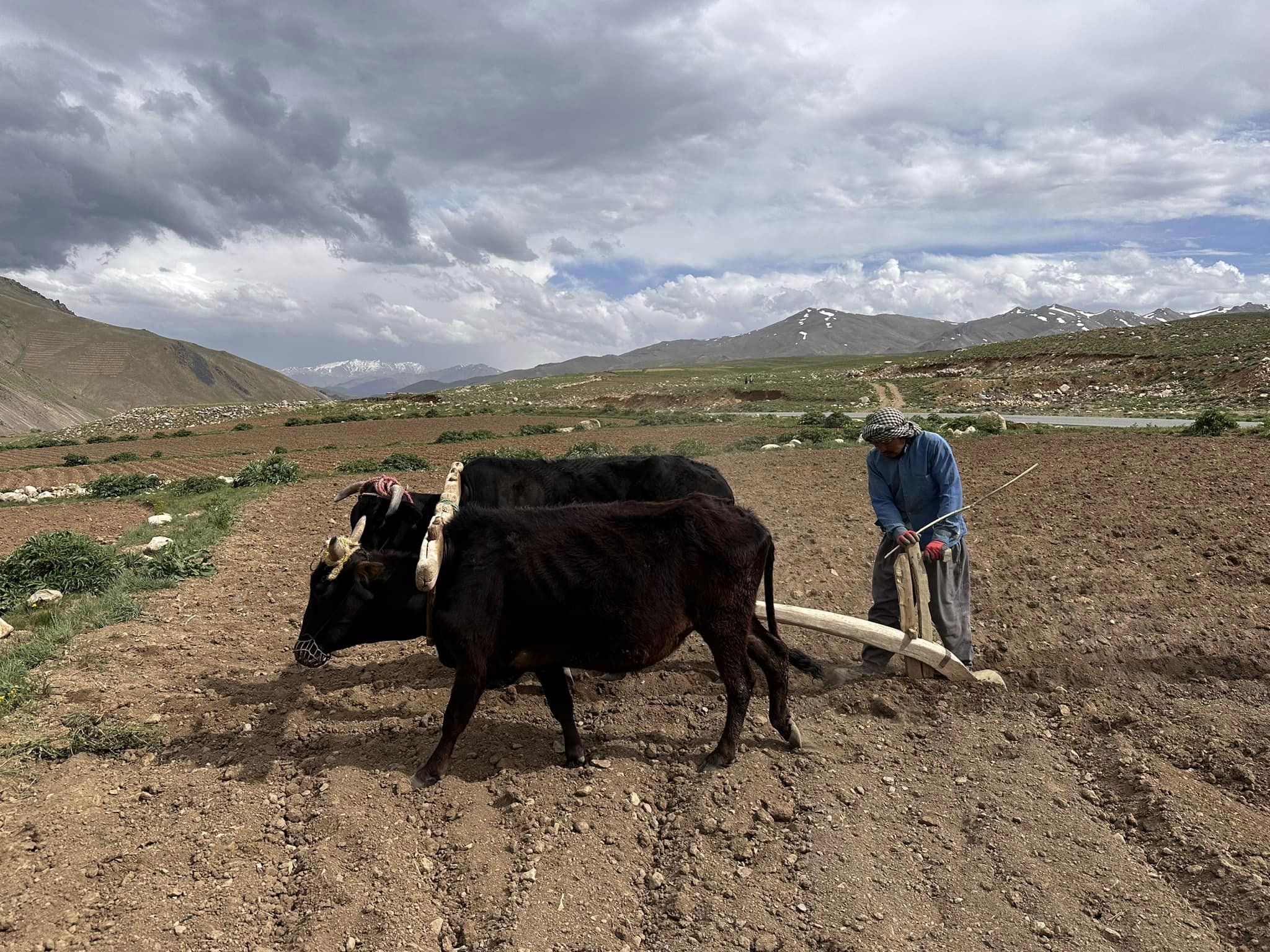
Here they're more like the people of Tibet, or something. Hazara people. There are far fewer checkpoints, only at the entrance to the provincial capital, the ancient city of Bamiyan, we were stopped by men in black and had our passport details written down in a logbook.
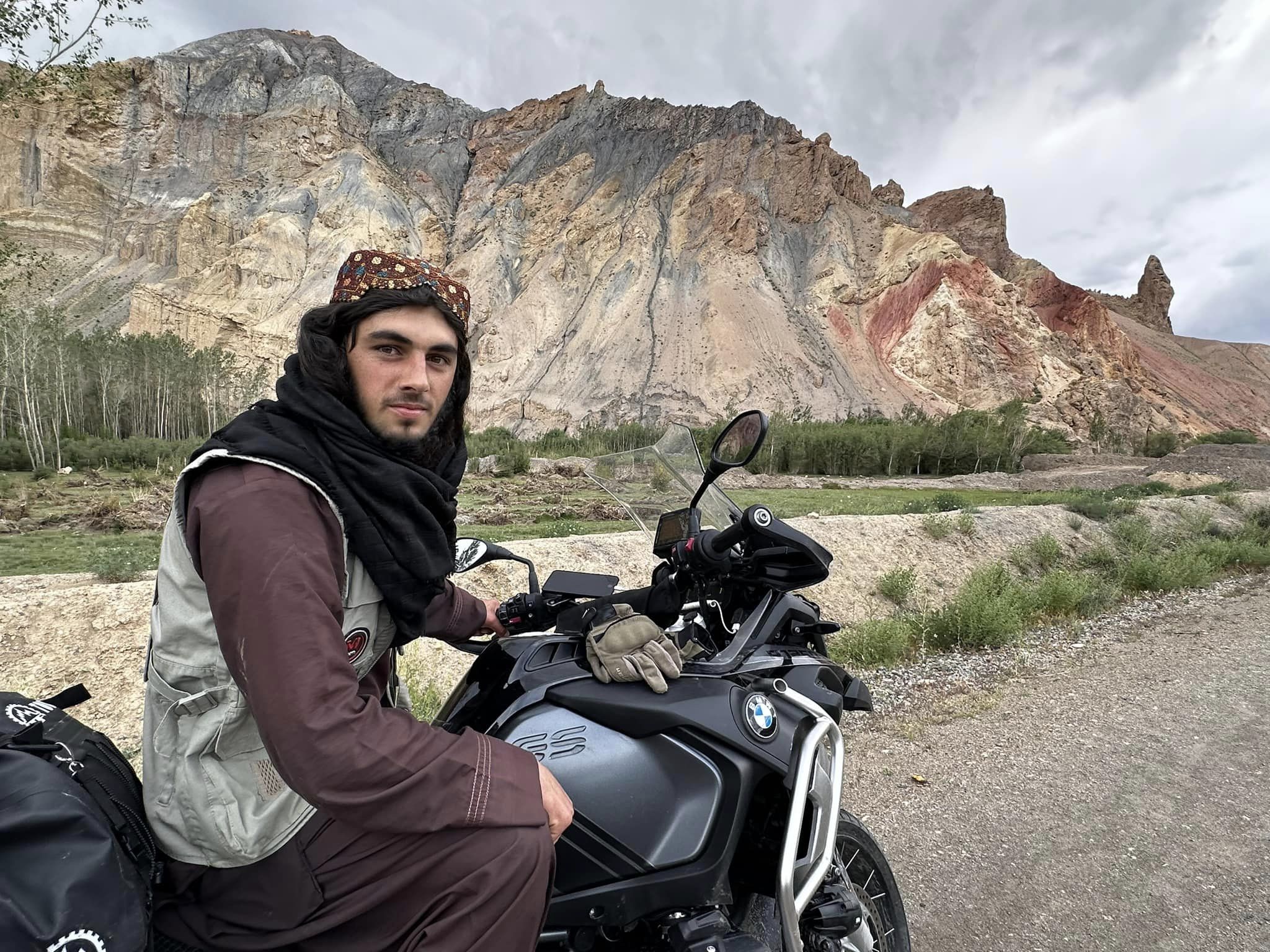
Bamiyan is a very ancient city, founded before our era. It became world famous in 2001 when the Taliban invaded it and blew up the largest Buddha statues carved in the rocks.
They were the first ones we drove up to.
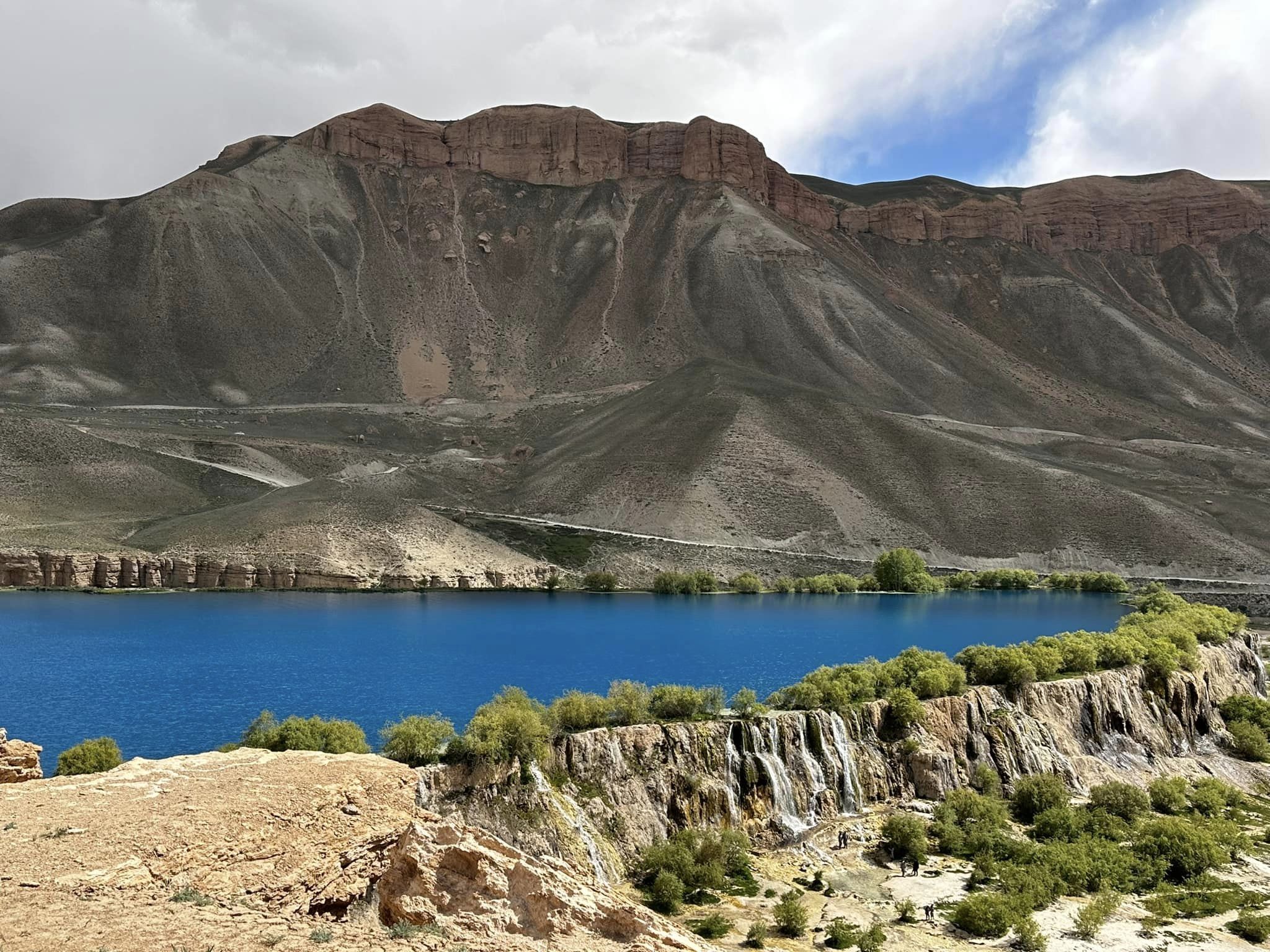
In 70 km from Bamiyan is the newly created first national park of Afghanistan - Bandi Amir, which is a cascade of six very beautiful turquoise lakes, located at an altitude of about 3000 meters in the Hindu Kush mountains.
We stayed in Bamiyan for one more night for the sake of visiting it and had no regrets!
A fantastically beautiful place! Multicolored vertical rocks, gorges, lakes with the purest bright blue water and colorful settlements of local people - it all causes a crazy delight.
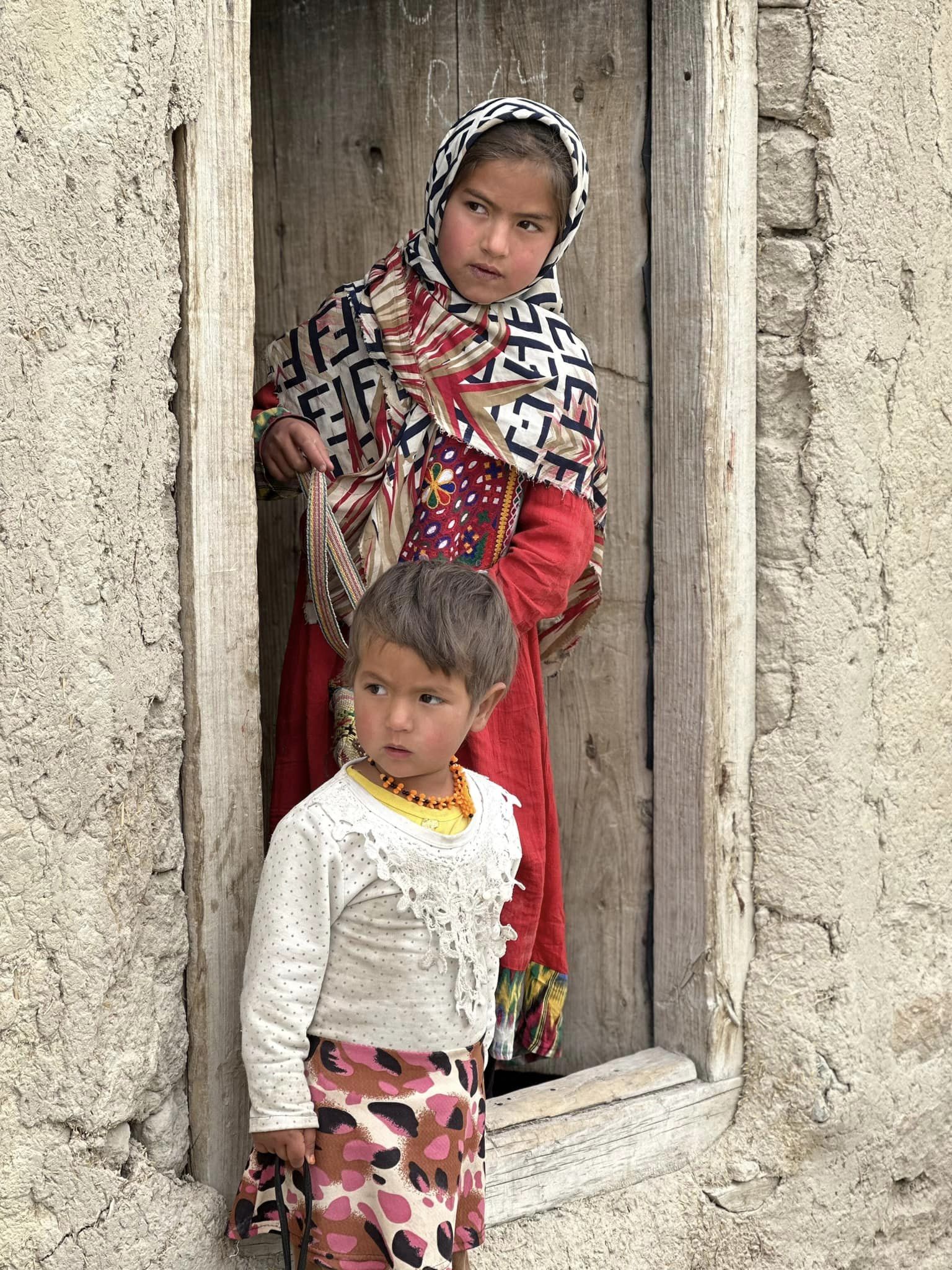
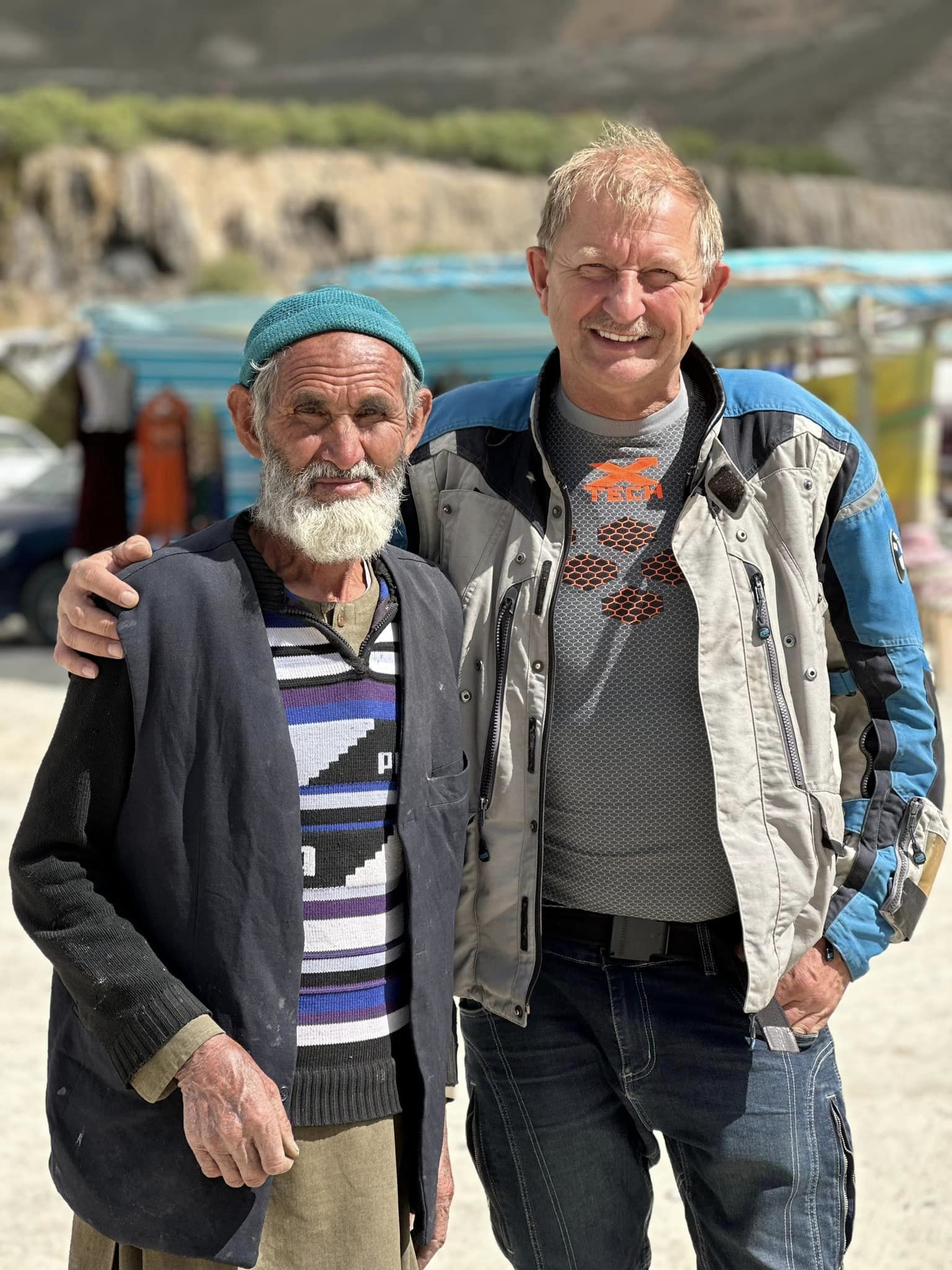
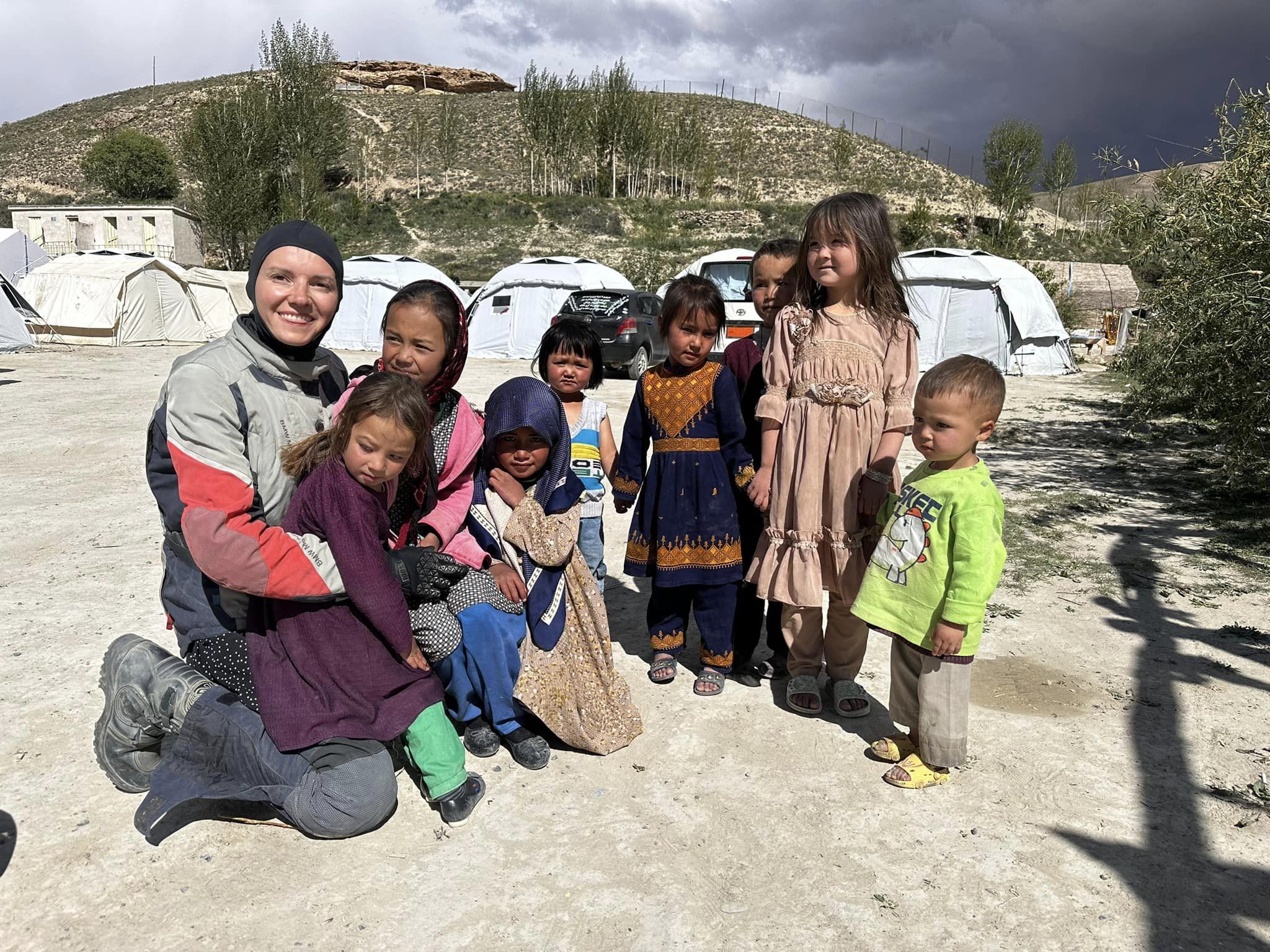
Local wealthy citizens from the capital and other cities come here for the weekend. The service here is, of course, rather primitive, but you won't go hungry.
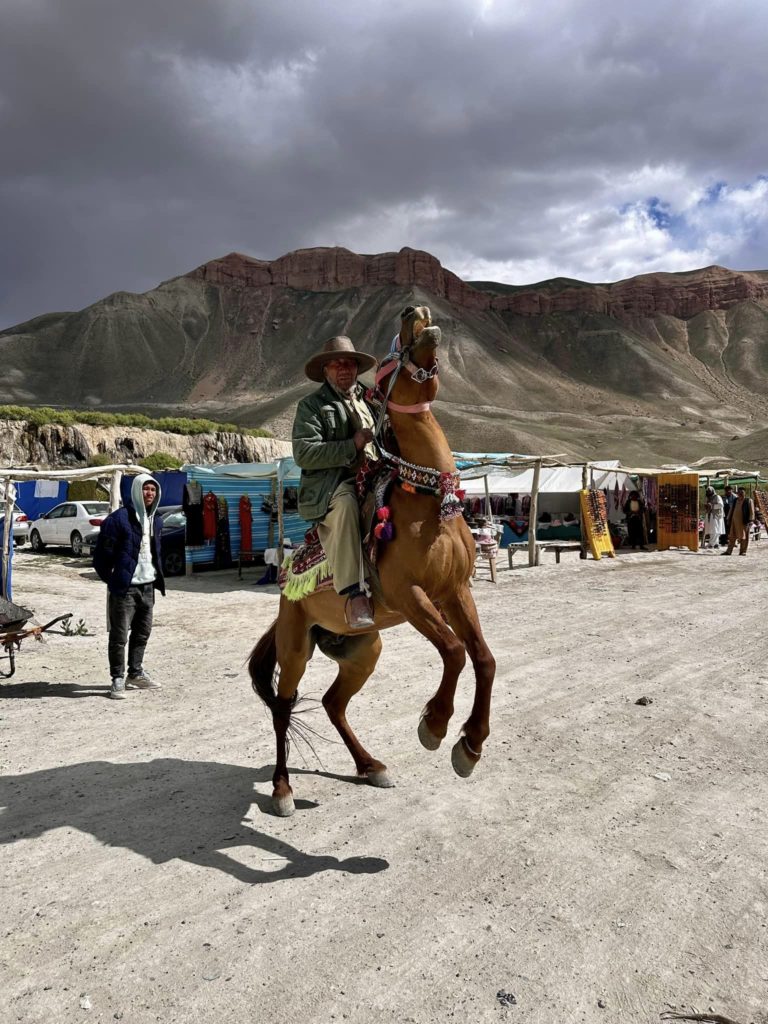
But the main thing, of course, is the unusual and amazing natural landscape.
Bamiyan to Pul-i-Khumri
Heat, dust, puddles, rocks. The nearly 200 kilometers of unpaved, killer road from Bamiyan to Pul-i-Khumri is an adventure in itself
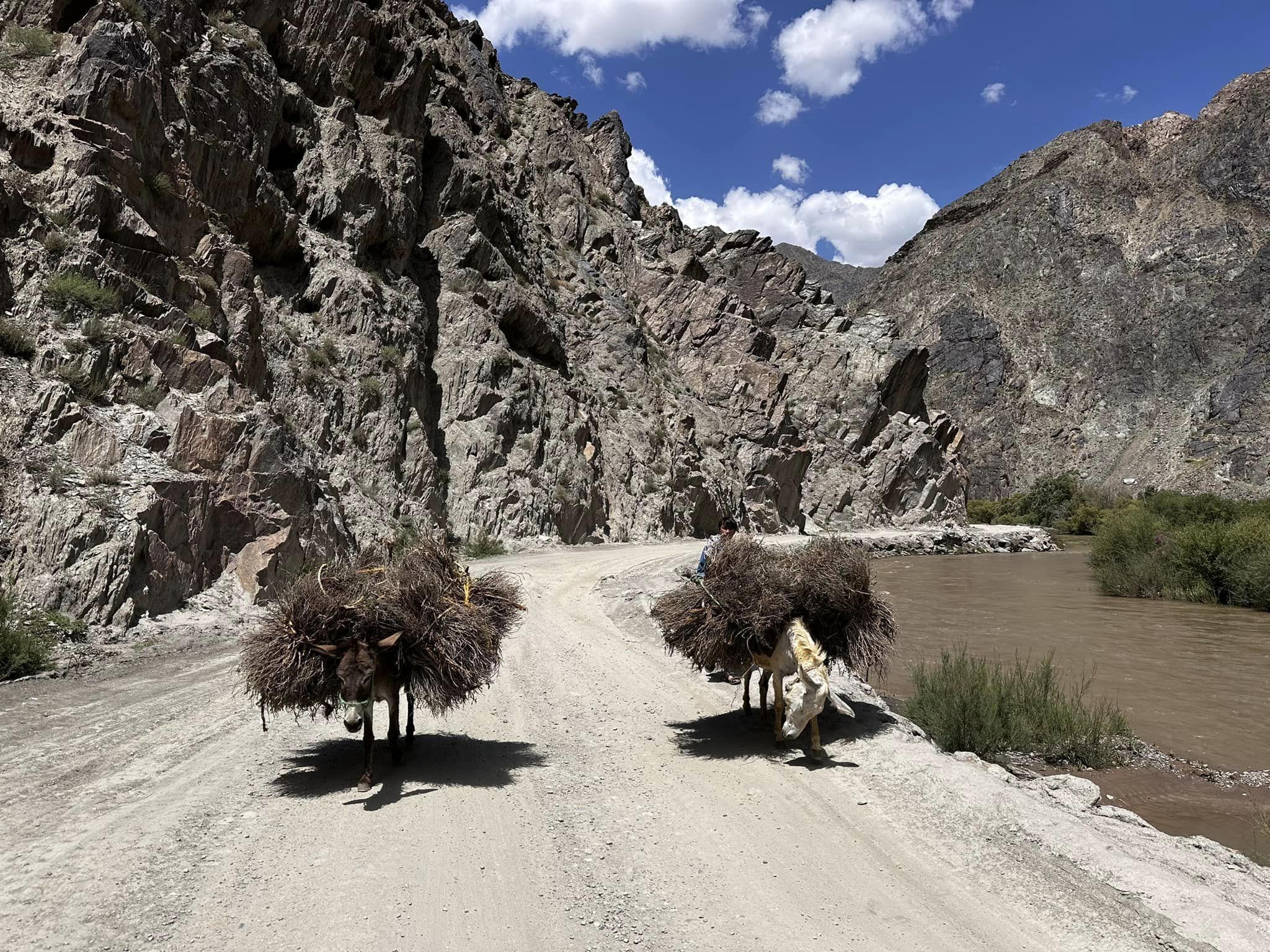
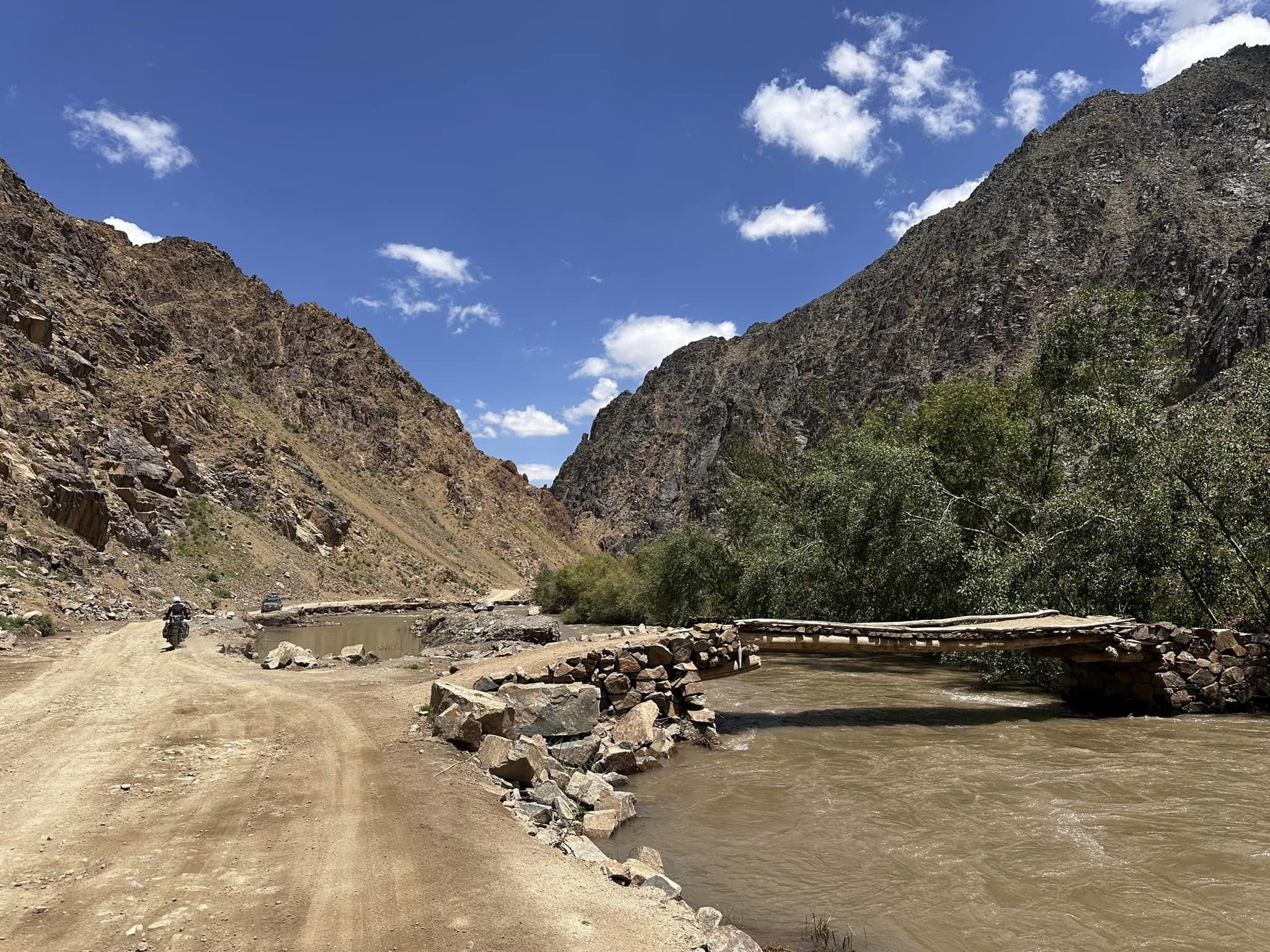
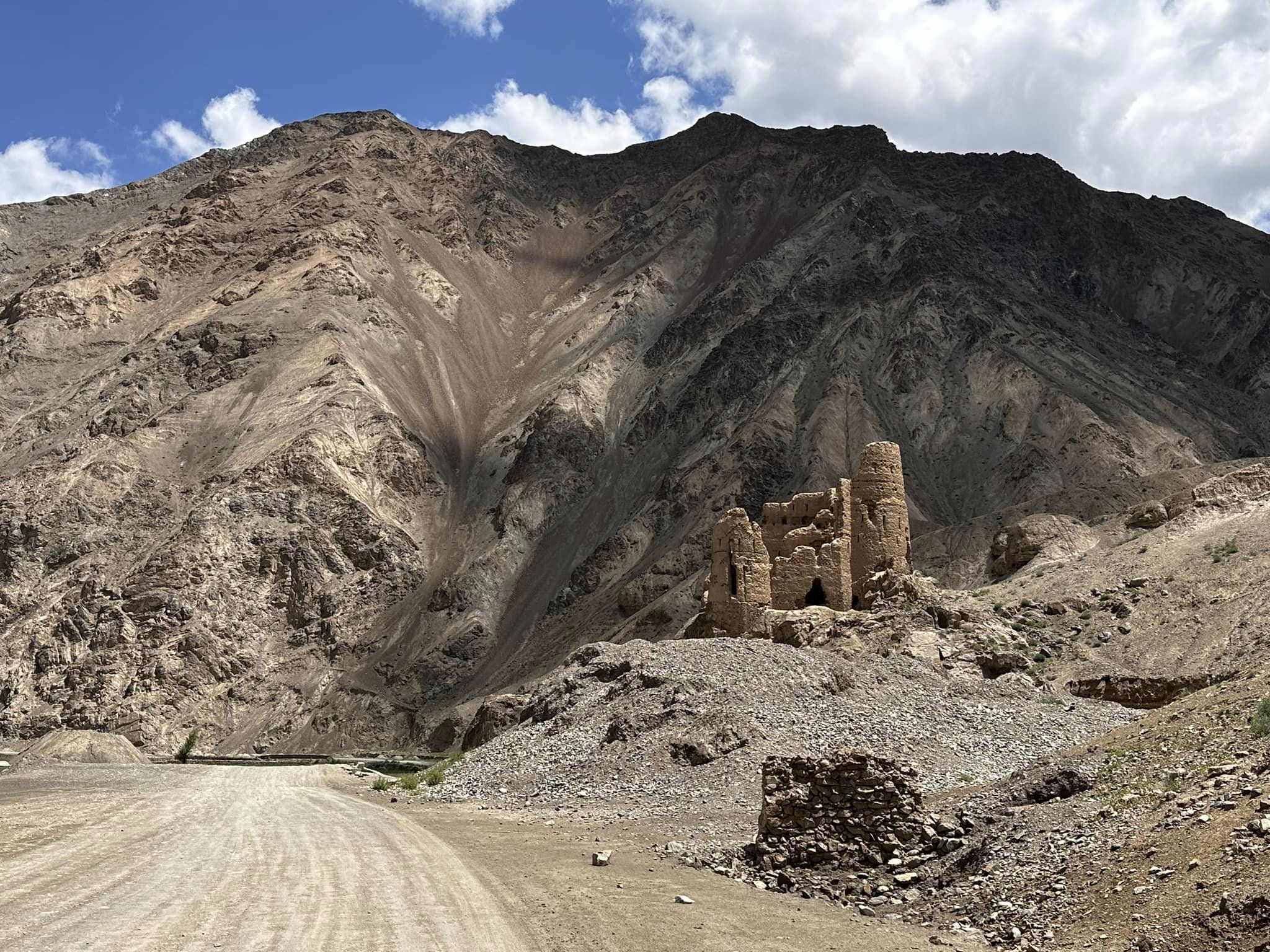
The nature, of course, is gorgeous. We drive through a gorge along the river, occasionally encountering auls and checkpoints.
At one of them, which was quite seriously fortified, we were stopped by two machine gunners and, after checking our passports, invited to go inside under a shed. Then there was green tea, hot flatbread, some kind of bean dish and questions in Pashto with sign language translation about our journey.
This is how the fearsome and terrifying Taliban welcome visitors.
Having said goodbye to the hospitable guys with AKs and RPKs, we went on galloping over the rocks, raising clouds of dust.
At the entrance to another aul we saw a truck with watermelons standing on the roadside. We looked, there seemed to be no one, only one seller lying in the shade under an awning. We stopped, bought a watermelon for 60 Afghani (75 rubles) and went under the awning to eat it immediately. Five minutes later, half the village came running to see us eating watermelon.
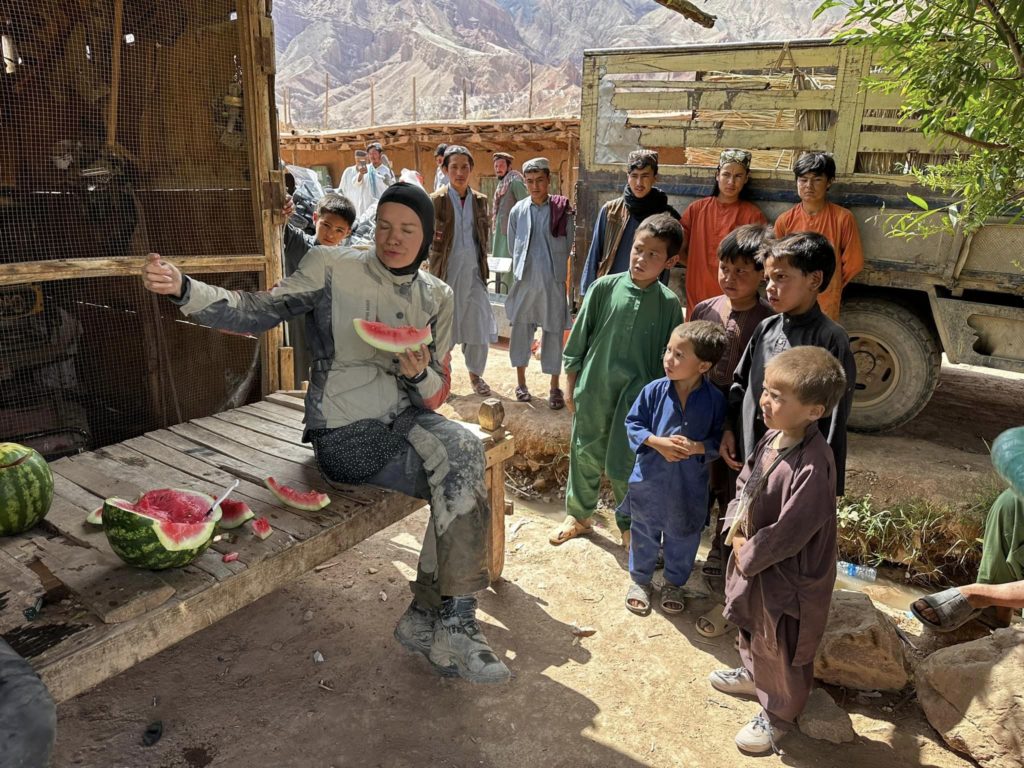
Children and men just stood 3 meters away from us and watched. You have to get used to it and ignore it, which is what we did, eating not very ripe fruit (or berry?) and throwing its skins under our feet, may the fans of clean nature and environmentalists forgive us.
This is Afghanistan